
Environment
Malaga University study reveals existence of century-old coastal juniper grove within Marbella
Researchers have documented hundreds of specimens measuring up to 9.1 metres across 60 hectares and are calling for their inclusion in the inventory of remarkable trees of Andalucía

Marbella
The urban and tourist development that transformed the Costa del Sol during the second half of the 20th century buried much of the former dune ... systems along the Marbella coastline. However, nature has managed to adapt.
A study led by the department of botany at Malaga University (UMA), published in the journal Anales de Biología, reveals the existence of a population of coastal juniper (Juniperus turbinata) that has survived right in the heart of Marbella's urban fabric.
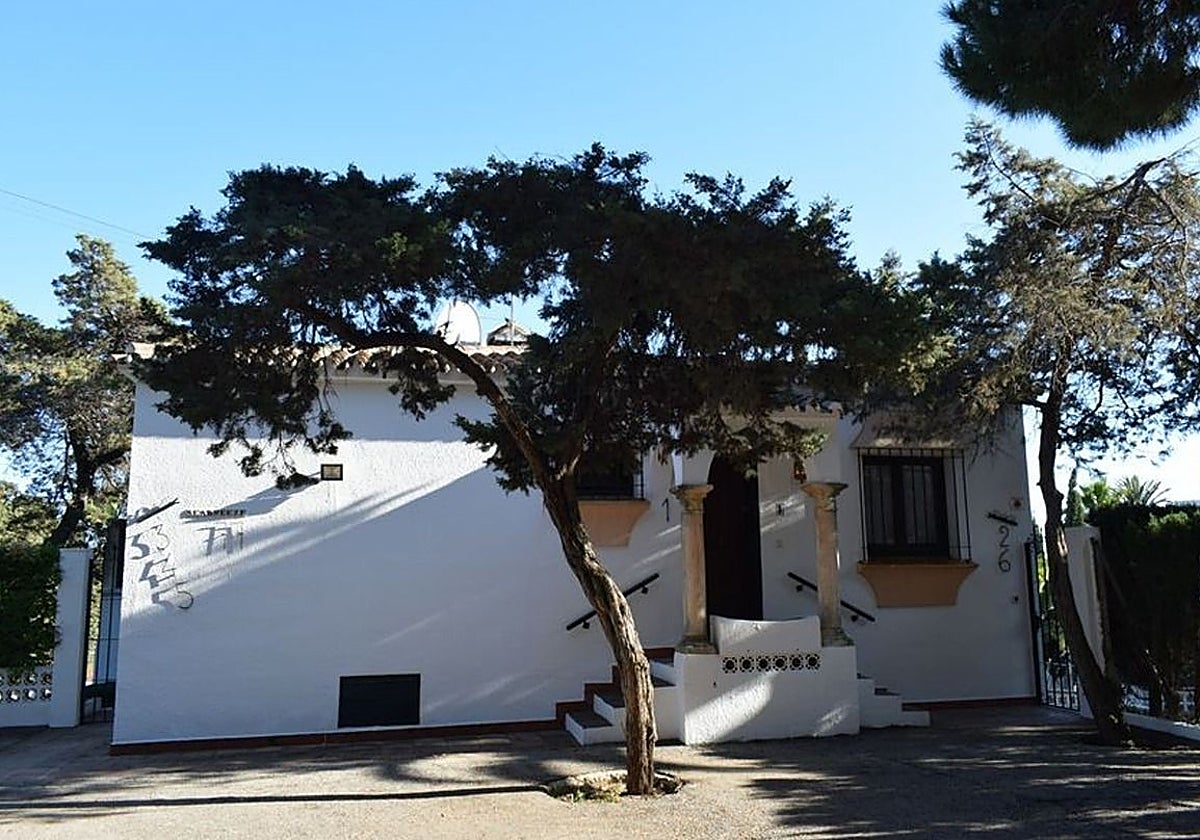
The trees are located outside the protected dune areas and coexist with residents in housing developments, homes, parks and even in tree pits in the middle of pavements and on a roundabout.
This phenomenon sets a precedent in mainland Spain. "Either it hasn't happened or it hasn't been documented," co-author of the study Rafael Negrete says.
The largest coastal juniper grove in the province of Malaga is in the Duna de Artola, declared a natural monument in 2003, eight years before the Dunas de Marbella ecological reserve was established, a protected area covering a total area of 20.99 hectares. In dune systems, coastal (or littoral) junipers act as a powerful stabiliser, preventing the dispersal and loss of sand by anchoring the substrate.
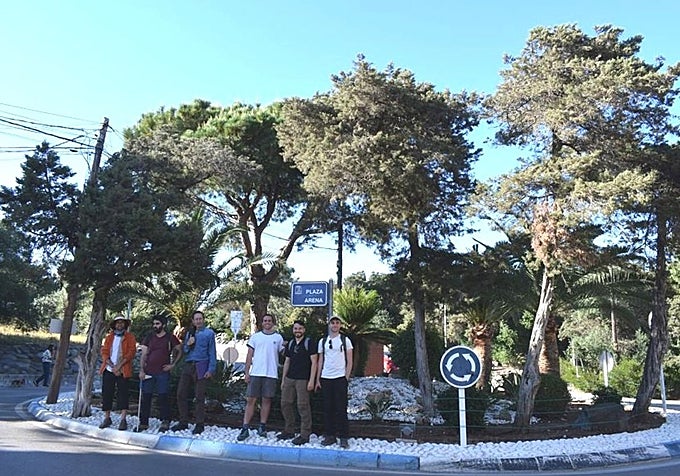
The study covers 59.36 hectares in the area surrounding Duna de Artola, in the eastern part of Marbella, where 44 per cent of the land is built-up. Experts have divided the area into eleven zones corresponding to different types of land use, ranging from semi-natural plots (Calle Alcotanes) to private gardens and urban roads (the Marbesa and Carib Playa housing areas, covering of 24.8 hectares, 41.78 per cent of the total), through to urban parks (Jazz and Avenida de Andalucía) and peri-urban areas (Coto de los Dolores), pine forests with scrub (the Pinos Verdes housing development, Coto Correa and Hacienda Playa and Concha Nácar Avenues) and tall scrubland (Avenida Cartagena).
In these areas, the researchers have observed hundreds of specimens, but are unable to determine the exact number, precisely because many have ended up behind the fences of private plots.
One of the things that has most caught the researchers' attention is the age and size of the trees. Some are already 100 years old, meaning they were there long before urban development began, and their height ranges from five to 9.1 metres, with trunk diameters of over half a metre, whereas in interior juniper groves such as that in Sierra Llana (which consists of another species of juniper, Juniperus phoenicea) the trees do not exceed six metres in height.
Risk and protection
Their general state of health is good: 100 per cent of the sampled junipers bear fruit. However, the fact that the town has absorbed the juniper grove means that the trees have ended up suffering the effects of basal pruning, pollarding or disruption caused by irrigation.
In addition, they have come to coexist with exotic ornamental plants, "which displace the native flora". These plants, of which up to 23 species have been identified (such as acacias, mimosas and yuccas), "do not harm the junipers, but they do degrade the ecosystem".
For all these reasons, experts are calling for protection for this juniper grove. They say that "both the semi-natural site and the most significant specimens" of this juniper grove should be included in the inventory of remarkable trees and groves of Andalucía, as well as in the municipal catalogue of unique trees.
There are only nine juniper groves listed in that Andalusian inventory and only one of them is in Malaga (Sierra Llana), but all of these consist of other species. Consequently, the one in Marbella would be the only coastal juniper grove in the whole of Andalucía.
![[]](http://static.vocstatic.com/voc26/latest/assets/images/favicon/surinenglish/apple-touch-icon-57x57.png)