
Ecology
Micro-reefs at Marbella’s Virgen del Carmen marina double marine biodiversity in six months
Sustainable structures serve as a refuge and nursery for juvenile fish while driving a 60 per cent rise in ecological proliferation

Marbella
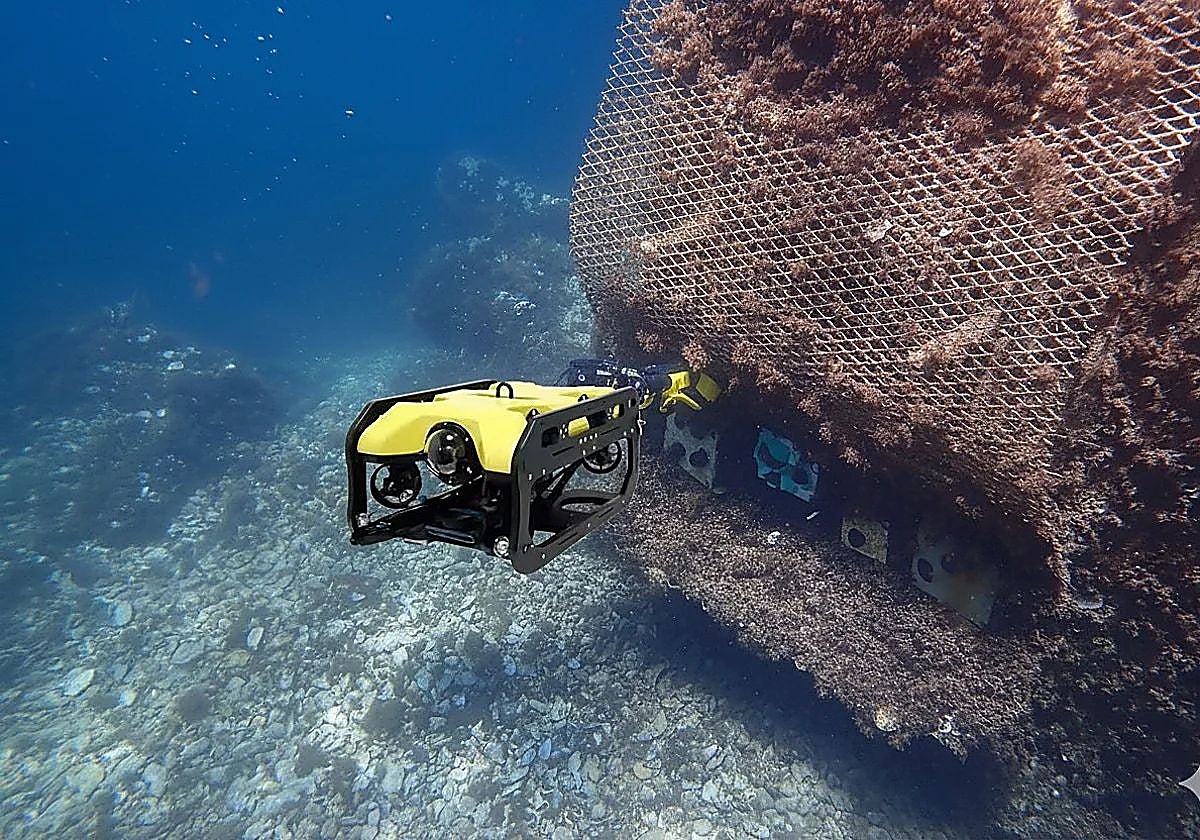
The Virgen del Carmen marina in Marbella has doubled the number of marine species present in less than six months, thanks to the installation of ... six ecological micro-reefs.
The initial results of the environmental monitoring carried out on these structures have identified 27 species, compared with the eleven recorded in other conventional marina areas.
This development highlights the potential of such infrastructure to promote the recovery of biodiversity without interfering with boating activities.
Related story
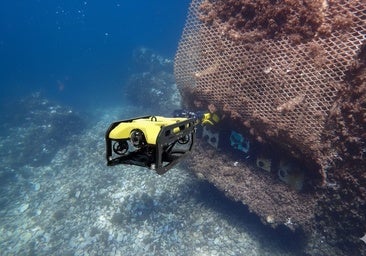
The project, driven by the installation of six structures known as ‘Life-Boosting Units’ (LBUs), distributed across two locations within the port area, has created new habitats and areas for development for various marine species.
Data presented by the council shows a 60 per cent improvement in the ecological diversity index compared with the control areas.
This indicator, known as the Shannon index, measures not only the number of species present, but also the balance in their distribution. In the micro-reefs, it has reached an average value of 1.70, compared with 1.06 recorded in conventional port areas.
A difference which, according to the councillor for the environment, beaches and ports, Diego López, demonstrates that it is possible to reconcile port operations with the improvement of the marine environment.
Related story
-
Environment
José Luis Piedra
Another of the study’s most significant findings is the presence of juvenile specimens. As the port director, Carlos Romero, explained, 89 per cent of the recorded biomass consists of young fish, ranging in size from six to 16 centimetres.
This data suggests that the structures are not merely serving as surfaces on which organisms settle, but are beginning to act as a refuge and a habitat for the growth of marine fauna.
“We are not just talking about organisms that colonise a surface, but about structures that juvenile fish begin to use as a place of shelter and growth,” Romero said.
Breeding area
The colonisation of these new habitats is also evident in the variety of organisms detected. In addition to fish, the micro-reefs are home to algae, annelids, ascidians, bryozoans, crustaceans, echinoderms, hydrozoans and molluscs. The findings also include the presence of cuttlefish eggs, an indication that these structures are beginning to be used as breeding grounds as well.
The initial results thus provide a snapshot of the progress of a project that aims to incorporate nature-based solutions into port infrastructure.
The experience at the port of Marbella will enable an assessment of how these man-made elements can help to create marine habitats in areas subject to intense human activity.
