
Marbella raises awareness among young people about the risks of melanoma
The Costa del Sol university hospital’s Soludable project encourages pupils aged 11 to 16 to adopt sun protection habits from an early age and warns of the risks of misinformation

Marbella
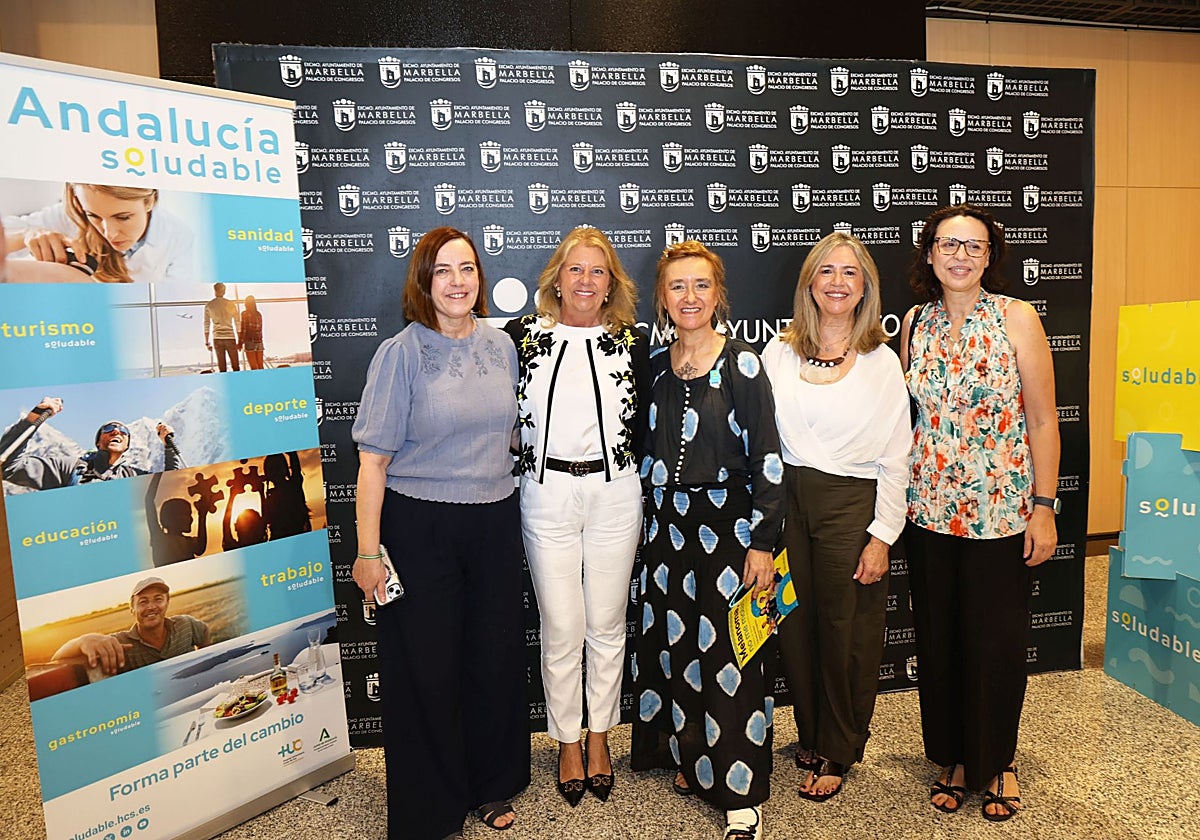
The Adolfo Suárez conference centre hosted the awareness-raising event 'Melanoma, I don't like you', an initiative launched by the Costa del Sol University ... hospital's (HUCS) Soludable project to mark World Melanoma Day.
Held in collaboration with the town hall, the event, aimed at pupils aged between 11 and 16 in the municipality, aims to raise awareness among young people about the importance of melanoma prevention and adopting sun protection habits from an early age.
The opening ceremony was attended by the mayor, Ángeles Muñoz, who said that “prevention is essential, so the health education these young people receive today can help prevent serious illnesses by encouraging them to adopt healthy habits”.
Other participants at the opening ceremony included the manager of the Costa del Sol primary care district, Elena Ayllón and the Director of the Soludable project and head of the dermatology department at the Costa del Sol University Hospital, Magdalena de Troya.
The event highlighted the importance of health education from an early age and the value of collaboration between public authorities, the healthcare sector, the education community and the specialist industry to create safe environments and promote sun-smart habits that reduce sun damage among the younger population.
The mayor, who was accompanied by health councillor Alejandro González, thanked all the professionals and organisations involved for their commitment and highlighted the importance of this type of preventive initiative. “Today we have brought together pupils from various schools to explain the risks of not incorporating sun protection into healthy habits and to provide them with tools to help them look after their health better,” she said.
“The health education young people receive can make a difference in the future and help prevent serious illnesses”
She also pointed out that melanoma is one of the most aggressive forms of skin cancer, adding that “prevention is key, so the health education these young people receive today can make a difference in the future and help prevent serious illnesses by encouraging them to adopt healthy habits from an early age”. Furthermore, Muñoz highlighted the innovative and participatory nature of the initiative. “These sessions allow young people to learn in a dynamic and accessible way, understanding the importance of protecting their skin, knowing their moles and adopting habits that will stay with them throughout their lives,” she added.
Poor habits and misinformation
Magdalena de Troya warned of the rising incidence of melanoma and the factors driving this trend. “Climate change, together with poor sun exposure habits, is increasing the risk of skin damage: sunburn remains the main risk factor for developing this type of cancer,” she explained.
The specialist placed particular emphasis on the need to protect children and teenagers. “Sunburn during childhood and adolescence is a key factor because it determines the risk of developing melanoma later in life,” she said. "We are concerned about the growing amount of misinformation circulating in some media outlets, which can convey messages that are far removed from scientific evidence,” she added.
“Sunburns during childhood and adolescence influence the risk of developing melanoma later in life”
The day’s programme included an interactive talk delivered by dermatologist Ismael V. Millán, dermatology resident María Velasco and healthcare assistant Rocío E. Benítez. The programme also included the practical activity 'Camera, action and sun protection', developed by healthcare professionals and ISDIN Laboratories.
Thanks to ultraviolet cameras, attendees were able to observe in real time the effect of ultraviolet radiation on the skin and learn visually how to apply sunscreens correctly. In addition, participants were introduced to innovative tools such as sun tattoos, designed to alert users to the need to reapply sunscreen when it loses its effectiveness. “We want young people to learn to interact with the sun in a healthy way through accessible, practical and fun experiences that make it easier to incorporate these habits into their daily lives,” said De Troya.
The event also featured an area for personalised skin checks, where medical and nursing professionals from the hospital and the Costa del Sol primary care district offered individualised advice and recommendations tailored to each skin type. At the same time, a sun protection fair was held where attendees could access various preventive resources, such as sun creams, technical clothing with UV protection, sun-protective hats and sunglasses, as well as receiving practical information and educational materials.
![[]](http://static.vocstatic.com/voc26/latest/assets/images/favicon/surinenglish/apple-touch-icon-57x57.png)