
Marbella
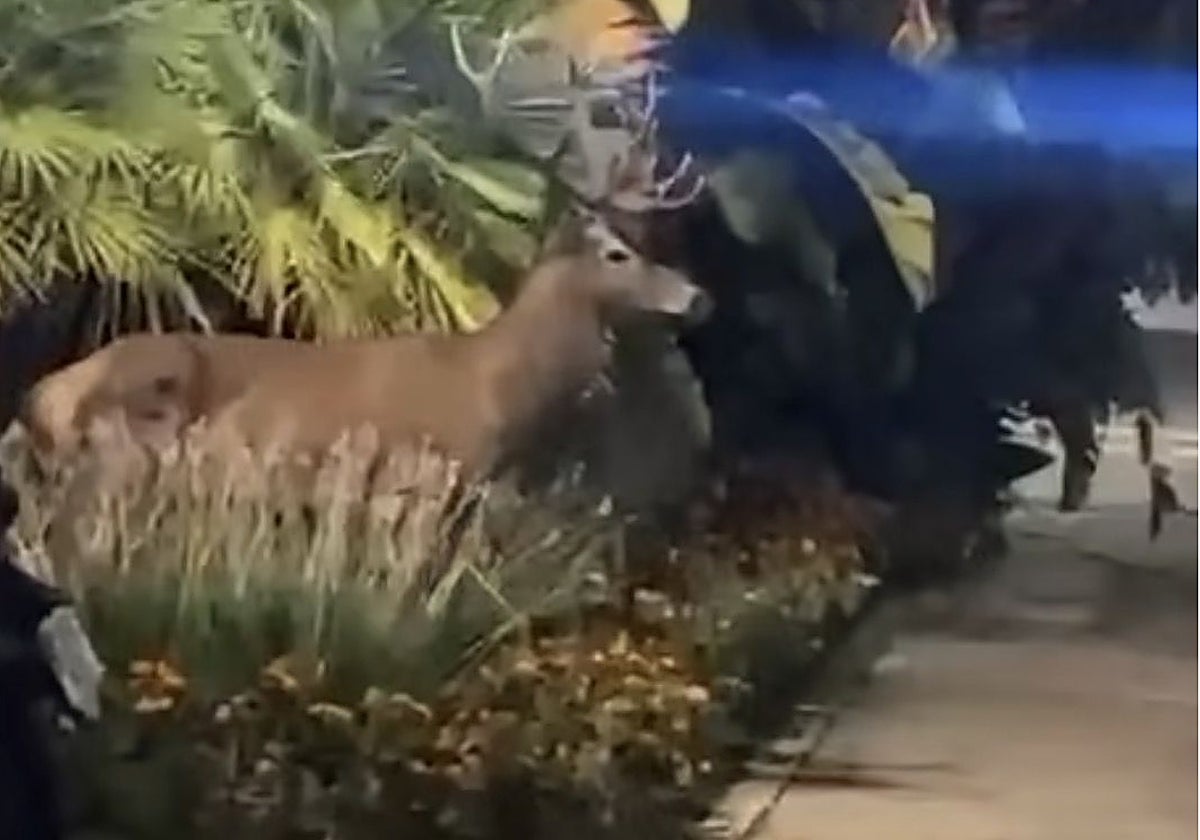
Stag spotted wandering around Puerto Banús
The animal strayed onto an avenue at night, triggering a police operation, but eventually found its own way out of town

Marbella
The fact that a deer ended up in an urban area - and that this area was Puerto Banús - lends itself easily to jokes.
That is ... exactly what happened on social media when the video showing the incident was posted, the authenticity of which has been confirmed by SUR.
But, of course, the situation was no laughing matter, given the risk it posed both to the animal and to anyone who might come across it. And, above all, at this time of year: it is early October and the rutting season is in full swing.
“We must bear in mind that the only relationship deer have ever had with humans is through hunting,” warns Antonio Calvo, the manager of the Ojén Eco-Reserve, an area that the Andalusian regional government closed more than four years ago when it was home to over 120 animals, including deer, wild boar, mountain goats, mouflon and wild boar.
The video shows a male animal which, judging by its size and antlers, is an adult of around four or five years old, according to Calvo.
It walks slowly along Avenida de las Naciones Unidas, looking around, and is occasionally seen standing still, watching from the bushes, hidden among the vegetation.
In another recording, the animal can be seen at the roundabout featuring the La Victoria sculpture, commonly known as the Russian statue. The stag watches the cars go by without showing any signs of nervousness, but observes them very intently.
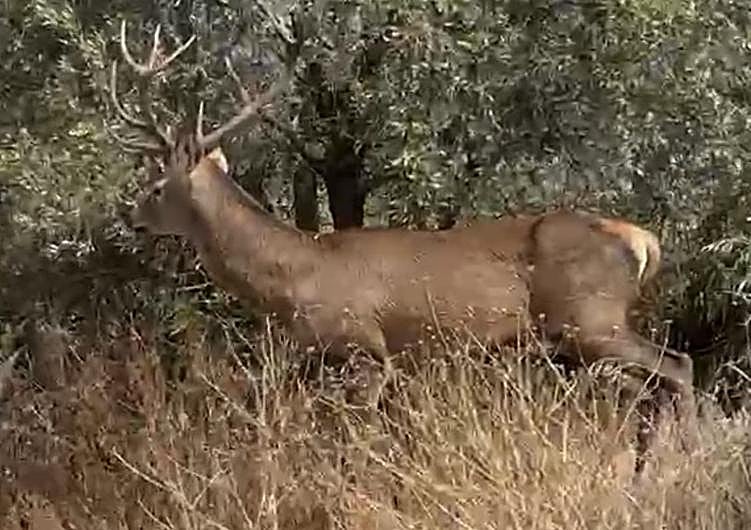
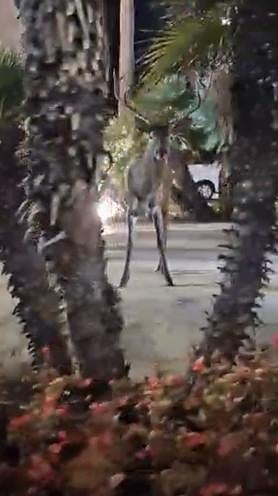
The encounter happened at around 10pm on Thursday 1 October. At 10.10pm, the 112 emergency service received a report from a witness who had seen the animal on Avenida de las Naciones Unidas and alerted the Local Police.
Officers were dispatched and searched for the deer, but were unable to find it. Animal rights activist Virginia de Nibiru also went to the area, but she too was unable to locate the animal. From that point on, nobody knows what happened, but SUR has been able to confirm that the animal managed to emerge safe and sound from its foray into Puerto Banús and set off on what appears to be the journey back "home".
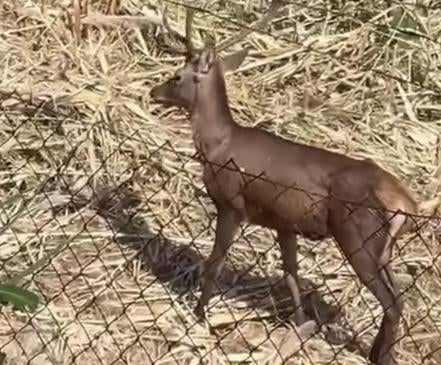
But how did a deer end up there? The definitive clue comes from a third video, filmed near the roundabout at the junction between the A-7 motorway and the Istán road (A-7176), where the Marbella desalination plant is located.
The water infrastructure is situated on the banks of the River Verde, and the riverbeds effectively form a natural corridor for the deers' movements. From that point, if the animal continued down the riverbed, it would end up on the beach, but if it heads west, it can reach Calle Teniente Riera, a road that passes under the A-7 motorway and leads onto Avenida de las Naciones Unidas, specifically at the ‘rhino’ roundabout.
At the end of the street, next to the beach and very close to the iconic Puerto Banús marina, stands what is known as the Russian statue – the last place where the animal was filmed at night.
The rutting call: an explanation
Confirmation that the animal emerged safe and sound from its night-time foray into Puerto Banús came at around 1.30pm on Friday 2 October, when it was filmed by a cyclist in the Pinos de Aloha residential area, situated further north of the desalination plant, specifically in the vicinity of the Puerta Verde Marbella–Ronda livestock track network that crosses the Sierra de la Nieves.
Antonio Calvo explains why this might have happened while continuing his campaign against the Andalusian regional government to reopen the Ojén Eco-Reserve:
"Deer are social, gregarious animals. When this time of year arrives, they sense that the number of daylight hours is decreasing, which signals the arrival of the rains and the time when the grass begins to grow. The females ovulate, and the males enter the rutting season and become very dominant. This is the rutting season, which begins around the second week of September and reaches its peak by the second week of October. Through their bellowing, the males seek to drive others away, and the younger ones may feel compelled to move on; for them, riverbeds serve as a natural route."
![[]](http://static.vocstatic.com/voc26/latest/assets/images/favicon/surinenglish/apple-touch-icon-57x57.png)