
Energy
Malaga province's electricity capacity remains at zero, while that of Seville doubles
Demand that energy company Endesa has been unable to meet rose by 21 per cent between July and September

Málaga
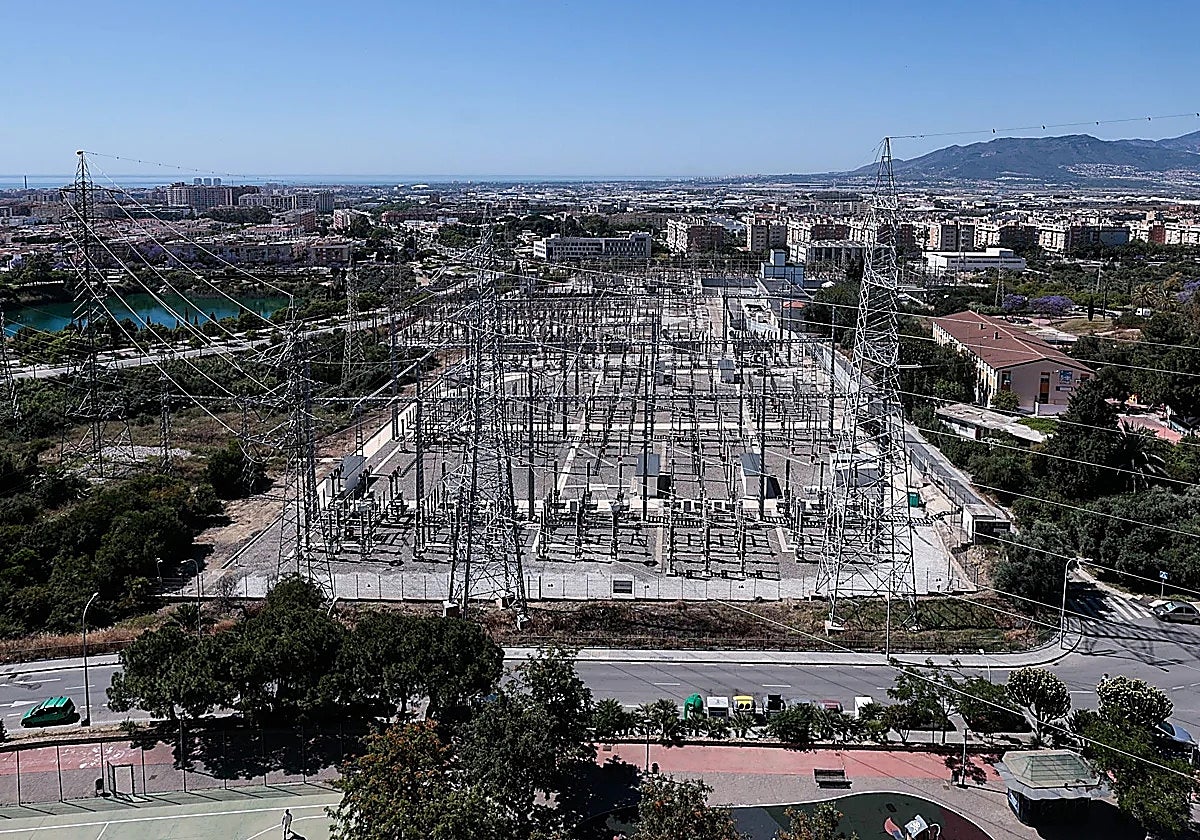
Malaga province does not expect its electricity capacity, which directly impacts the pace of housing construction, to improve in the short term. Energy company ... Endesa's September review confirms that the measures the central government implemented to encourage the release of electricity reserved for delayed projects have not, as yet, yielded the expected results.
The province's electricity generation capacity remains at zero and demand for supply is rising. Endesa is unable to meet it because the transmission grids are overwhelmed. The 153 megawatts of unmet demand in July rose to 185 in September, a 21 per cent increase. Malaga province is, by far, the hardest hit in Andalucía.
The province has 143 projects on hold, 16 of which are residential, eight industrial, 12 data centres, 97 electricity storage facilities and around ten relating to various types of utilities.
Related story
The situation is very different in the province of Seville where, according to Endesa, the available electricity capacity has doubled this summer, rising from 131 megawatts of spare capacity in July to a total of 261 in September. Furthermore, power demand fell from 111 in July to 68 in September.
In March, the government approved a royal decree that replaced the financial guarantee that had previously enabled developers to reserve electricity supply for a project with the payment of a monthly fee that increases significantly over time.
The Ministry for Ecological Transition set a deadline of mid-June for developers who did not wish to be obliged to pay this fee to reclaim their guarantee and relinquish the electricity supply they had reserved.
If they did not do so, they were forced to opt into the new monthly payment scheme, which entails an increase of between 300 per cent and over 1,000 per cent per year in the cash flow required to retain those megawatts. However, despite this increased financial burden on certain projects, Malaga's electricity capacity remains at zero.
There are project developers who are willing to pay whatever it takes to maintain their electricity supply. Furthermore, the money from these new instalments is not a non-refundable payment, as it is considered an advance payment for access to the electricity supply.
In response to enquiries from Sur, secretary of state for energy Joan Groizard said that the differing outcomes of the measures to increase energy supply in the two provinces depend on the type of projects and the desire to secure pending investments.
However, Groizard is confident that, in the coming months, Malaga could secure additional electricity capacity as a result of some reserves being withdrawn. "The cost of securing electricity will rise every quarter, so it cannot be ruled out that some projects will be withdrawn, freeing up capacity," he said.
Another factor to bear in mind is that, in principle, the measures do not affect large-scale residential, public or commercial projects. Malaga city council estimates that around 13,000 planned homes are on hold due to a lack of electricity capacity.
Groizard said that the proposed electricity grid plan up to 2030, which is due to be approved before the end of this year, provides for two new substations for the province and the expansion of a third.
He confirmed the construction of a new substation for Malaga city, although they have not picked a site. It is up to the city council and the regional government to identify the optimal site for this substation, which will supply power to the city's new residential developments and port projects.
Antequera will get another new substation to supply power to the dry port. The third project involves the expansion of the Cártama substation to cater for new developments in the Guadalhorce area and the growth of the TechPark. Groizard admitted that it would take several years, at least five, for these substations to be built.
The reason why the process is so long is because such infrastructure often falls in a legal limbo. In the past few years, there have been substations under consideration, approval or construction in Marbella (now operational), Benahavís and Mijas.
![[]](http://static.vocstatic.com/voc26/latest/assets/images/favicon/surinenglish/apple-touch-icon-57x57.png)