
Legal
Malaga court reinstates previously revoked severe disability pension of man in wheelchair
The Social Security service had withdrawn the pension, stating that the man's state had improved, despite there being no medical records to prove that
José Antonio Sau
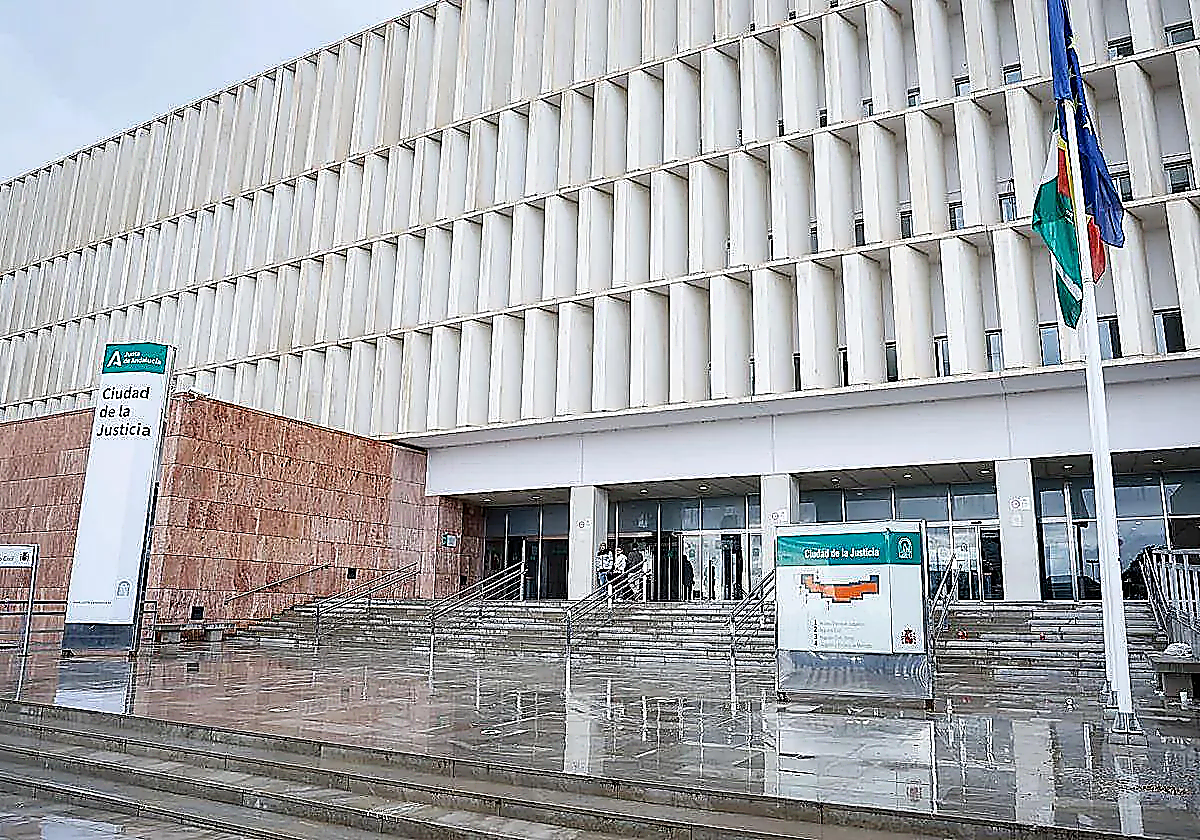
A 44-year-old man from Malaga who suffers from severe axonal tetraparesis (lack of strength and mobility in all four limbs) has won a court case against the Social Security institute in Spain (INSS), which had revoked his right to pension.
The man prefers to remain anonymous. He has been living in a wheelchair for several years, unable to walk after three rounds of chemotherapy for a testicular cancer. "I underwent chemotherapy, but during the third session, I started feeling unwell and spoke with my oncologist. I told him I wanted to stop," he told SUR.
"I couldn't walk anymore. I would get up and fall," he says when referring to the time after his treatment, which was necessary to save his life. He received a severe disability status in 2021.
The INSS revoked his status on 30 December 2024, having previously reduced it to one of total incapacity.
Related story
-kHXH--366x256@Diario%20Sur.jpg)
Severe disability is the highest degree of incapacity recognised by the Social Security, which grants it to those who need permanent help from another person for basic daily activities.
"I rely entirely on my father"
The man's father takes care of him on a daily basis. "I rely entirely on my father. He has to clothe and feed me," the complainant said.
His lawyer Damián Vázquez described the case as "a David versus Goliath story". In 2023, they appealed the INSS's decision to reduce the status of severe disability to one of total incapacity. "Subsequently, the INSS reduced his disability benefits again, this time leaving him without any benefits whatsoever, stating that there had been an improvement and that they were removing the disability benefits and providing him with assistance instead," Vázquez said.
As Vázquez stated, the court ruling from this March overturns the Social Security's decision from late 2024. The court declares that there was never any medical evidence that the man's state was improving.
The judge states that a person's pension cannot be revoked without a subsequent medical report demonstrating their recovery. The affected individual has been recognised as having a 95 per cent disability and level III dependency, meaning they require assistance in all basic daily activities.
"They owe me for a whole year. The last time I received my pension was in December 2024, when they gave me a lump sum payment so they wouldn't pay me anything in 2025," the man, who can now celebrate his victory over injustice, said.
![[]](http://static.vocstatic.com/voc26/latest/assets/images/favicon/surinenglish/apple-touch-icon-57x57.png)