
Tourism
Malaga counts down to moratorium on tourist complexes and hotels of fewer than four stars
The city council plans to take the first step to regulate tourist uses and the conversion of premises into housing next Tuesday
Jesús Hinojosa
Malaga doesn't want to delay implementing the moratorium it hopes will temporarily halt the boom in tourist flats and hotels that the city has been experiencing for years.
In recent weeks, the urban planning department has accelerated the process to amend the general urban development plan (PGOU). With this, it aims to modify current bylaws that allow conversion of residential units into accommodation.
This means there are no restrictions on building a complex of tourist flats or a hotel within a residential building or on a plot of land designated for housing.
Related story
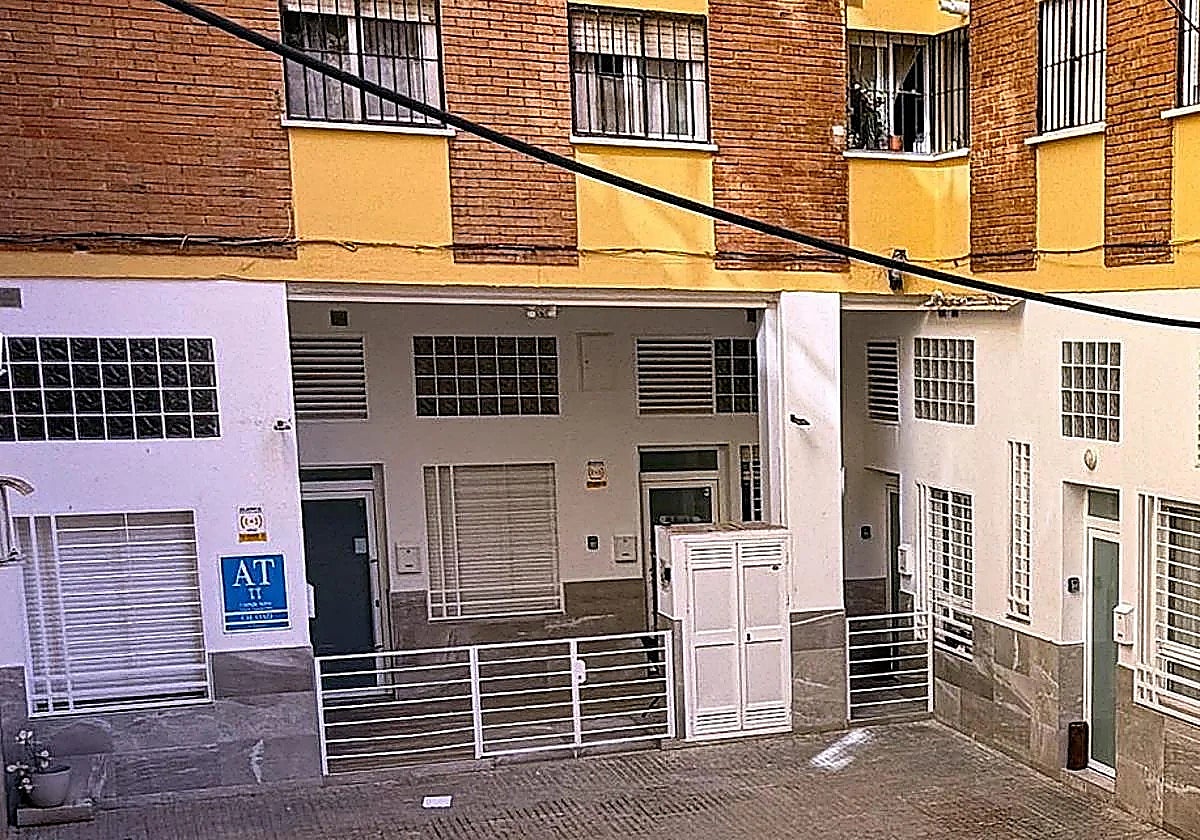
The modification of the PGOU is now complete and undergoing final internal reviews, paving the way for its first major step at the local ruling team meeting next Tuesday. If no unforeseen issues arise, the local government will launch the moratorium.
The plan aims to regulate the conversion of ground-floor premises into residential units, which stems from the ongoing housing crisis.
The council intends to accompany the amendment with a temporary suspension of the developments affected by the new rules. This would halt the granting of new permits until the council approves the new regulations.
Mayor Francisco de la Torre has clarified that the moratorium will apply only to tourist flat complexes and hotels with fewer than four stars. "We have always said that four- and five-star hotels, especially five-star hotels, will be welcome in the city," the mayor said a few weeks ago.
Initially, the council also planned to suspend permits for converting commercial premises into homes while it prepared new regulations.
However, that moratorium on commercial-to-residential conversions now appears unlikely to go ahead. Property managers and the association of technical architects opposed the proposal and the ruling team has since reconsidered its position.
After initially supporting restrictions on these conversions, De la Torre has since acknowledged that they are "not a bad thing", provided they comply with planning rules, because they help address the city's housing shortage.
He stressed, however, that the council will be "absolutely inflexible" when it comes to converting commercial premises into homes intended for tourist rentals.
The ruling team now appears to have agreed on a roadmap to limit tourist uses across the city, both in new developments and within existing residential buildings, where tourist apartments and hotels are currently allowed if they have separate access and utility supplies. The council also intends to regulate the conversion of commercial premises into residential properties.
Officials initially suggested the suspension of permits for tourist flat complexes and hotels below four stars would last one year. However, municipal sources have said it could remain in force for longer, as the council wants to freeze new permits until the new planning rules receive final approval, a process expected to take more than 12 months. In fact, the mayor recently said the moratorium would last for one year or "for as long as the law allows".
The step expected next week will not immediately suspend new permits. Instead, the ruling team will approve the draft amendment to the planning regulations before sending it to opposition parties, which will have the opportunity to propose amendments.
Once the local government has considered those proposals, the full council must vote on the initial approval of the amendment. It could still reach this month's council meeting under an urgent procedure, although the urban planning committee has already met.
The initial approval will also determine exactly how the moratorium will operate, which types of projects it will cover and how long it will remain in force. The suspension will only come into effect once the council's decision appears in the official provincial gazette.
The council will then begin the process of drawing up detailed regulations covering both tourist accommodation and the conversion of commercial premises into homes. Officials expect this process to take more than a year and to require reports from other public authorities.
They also expect objections to the proposal, which planning officers will have to assess and answer. The Aehcos hotel owners' association has already warned that the measures could have "collateral effects".
Track the Andalusian property and real estate market
![[]](http://static.vocstatic.com/voc26/latest/assets/images/favicon/surinenglish/apple-touch-icon-57x57.png)