
Local olives in danger of extinction
Ocal, pico limón, nevadillo and koroneiki are some of the least-known varieties of olives, but they are used to make excellent extra virgin oils
JAVIER ALMELLONES
They are not as abundant and they are not nearly as well-known as the hojiblanca, verdial, picual, arbequina and manzanilla aloreña, but there are a number of other varieties of olive which also make excellent extra virgin olive oil (known in Spanish as AOVE) in Malaga province. Many of them even have exotic names, like koroneiki and ocal.
These days high quality single-varieties or 'coupages' are being made with these, thanks to the many entrepreneurs who have a real passion for AOVEs. Many of them seek out these little-known olive trees in order to provide something different for the market, but they also want people to see the differences that exist between them.
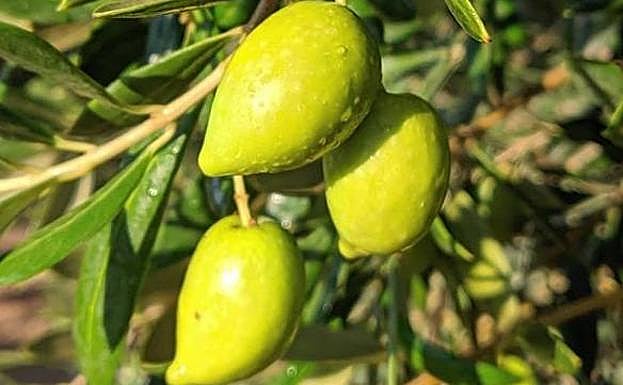
In Bobadilla Estación, in the Antequera area, there is a 16-hectare plantation of koroneiki olives, a variety from Greece that has adapted perfectly to the terrain, and for the past seven years, this oil has been sold by Cortijo El Solano.
The little-known picudo variety produces an AOVE with a slightly peppery flavour
"We planted this variety 14 years ago because my grandfather saw in a gastronomy magazine that in the world of fine dining there was a preference for it," says Gonzalo Ramírez, the manager of the company.
He explains that this AOVE, which is only ever made with these olives, tastes mild initially, with a touch of fruitiness, but then it has "a long aftertaste with a certain biterness which makes it unique and special," he says.
Today, the koroneiki single-variety oil can be found in many restaurants, not only in Malaga but also in Madrid.
Also in the Antequera area, another unusual ocal type of olive can be found; this is a variety brought from La Rambla (Cordoba), but it is native to Castilla León and is very popular in Valencia, explains Justo Lorente, the owner of Gotas de Gloria, who decided a few years ago to substitute some almond trees with over 300 ocal olives.
Although the fruit makes an ideal table olive, Lorente decided to try making oil with it. The result was so satisfactory that he has become the only producer in Malaga to use it.
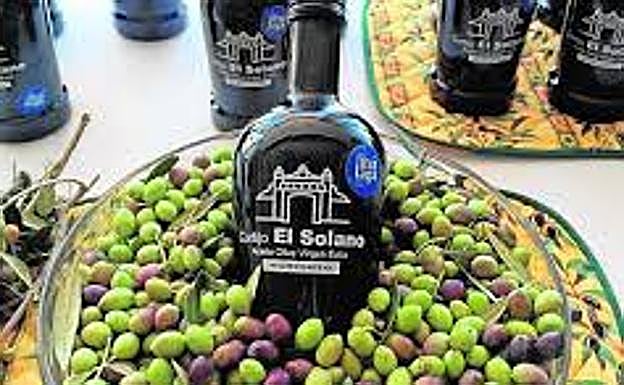
This Gotas de Gloria ocal extra virgin olive oil, which is now sold in central European countries and even in Lithuania is, as Lorente, explains, "very different to others because of its smooth entry into the mouth with a progressive bitterness and pungency".
These olive trees, which are at optimum production now, are delicate and more prone to diseases than others. "We have to look after them very carefully," says Lorente.
Gordal from Archidona
In Mollina, on La Capuchina estate which is known for its prestigious winery, they also make some very different, single-variety extra virgin olive oils. In fact, there are currently more than 20 varieties growing there, and they are nothing like the most traditional ones from this area. Some years ago this family business decided to specialise in producing very unusual olive oils, but before they could decide which ones, they had to catalogue all the types of olive tree on their estate.
Normally, they rotate these single-variety oils each year, and every year they produce two types which are highly unusual in Malaga, using a negrillo from Estepa and a gordal from Archidona. The latter is more like a manzanilla than a typical gordal table olive. Both have produced excellent AOVEs, which are sold under the prestigious La Capuchina label.
In addition to these two oils there is also a lechín from Seville which they have started using again because it has proved so popular with their clients. Susana García, co -owner of La Capuchina, explains that "the idea is to rotate two of these varieties each year so we can do something different as part of the initiative to make unusual oils from Andalucía".
Picudos
In Casabermeja, the Molino del Hortelano mill has been making an extra virgin olive oil from the start, using the little-known picudo variety. The owner of this company, Juan Cabello, says it is one of the oldest types of olive in the area. With regard to its name, he says local people normally call it 'picuillo de los Montes'.
Among the characteristics of these oils, Cabello says, they have a slightly peppery flavour which is not found in other varieties.
At the moment, the mill normally works with two hectares of picudos, from which it produces around 3,000 litres of oil. A large part of this is sold directly at the mill or through its online shop.
Somewhere else that produces a single-variety picudo oil is the well-known Finca La Torre, in Bobadilla (Antequera), although in this case it resembles more the variety that is grown in the Subbética (Cordoba), explains Víctor Pérez, who is the company manager.
This is one of the four ecological, early-harvest extra virgin olive oils that they produce. Two of these are made with the hojiblanca variety, which has been particularly praised in recent years, and the arbequina, and both of these are very well-known in Malaga province. However, there is also a much rarer single-variety as well, a cornicabra.
"It has a very high polyphenol and oleic acid content, and in early harvesting that normally enhances their bitterness," says Pérez.
Lechín de Sevilla
In Fuente de Piedra, one of the oldest mills in Malaga province knows well what it is like to work with varieties of olive which are not well-known but are quite remarkable. This is El Labrador, a family firm, which for more than three decades has been producing extra virgin olive oil under the label La Laguna de Fuente de Piedra.
These include some very unusual single-varieties such as vidueña, pico limón, manzanilla, gordalilla and frantoio.
However, as the manager, Rosario López, explains, the starting point is the lechín olive from Seville, which she says "is the father of the vidueña" variety. She is referring to the fact that the family first planted these two centuries ago and they were then grafted, to produce the vidueña.
"I always say that the vidueña is more than just a variety of olive, it is like a local breed because it is something very different and not easy to explain," she says.
With regard to the lechín, she explains that this is a very rustic type of olive tree which produces less fruit than other types but from which the extra virgin oil is always excellent.
Others which are used to make single-variety oils at El Labrador are the gordalilla, pico limón and manzanilla. These three types were already on the land when they started as a mill and were used for table olives. Nevertheless, as part of the company philosophy it was decided to use them to make 'liquid gold' and the results have been optimum ever since.
In the past few years they have also incorporated a grove of frantoio olive trees, which are of Italian origin, to produce another single-variety oil. Although they do not do so every year, it is available at present.
In La Axarquía, as well as the verdial from Vélez, the nevadillo blanco (which is also known as lechín in some areas) is well-known and is used to make oils which are especially popular in Torrox and Frigiliana.
In addition to the unusual varieties mentioned above which are used to make extra virgin olive oils, there is also the acebuchina, or wild olive, which has been made for years by an olive mill in Monda, called Aceite Mudéjar, and the Molino de Hortelano located in Casabermeja which was referred to earlier in the article.
In recent years they have also used other local varieties such as the carcache and redondilla, which can be found in some 'coupages' .
There are also names such as zorzaleñas, marteñas and forasteras, but in fact these are just the local names for varieties which are better known as lechín de Sevilla, picual and hojiblanca.
![[]](http://static.vocstatic.com/voc26/latest/assets/images/favicon/surinenglish/apple-touch-icon-57x57.png)