
Population
Costa del Sol immigration rates and origin vary by districts
Foreigners from European countries do not mix with immigrants from developing countries, both in Malaga city and in other coastal municipalities

New research from Malaga University reveals the striking division among foreigners in Malaga city and other Costa del Sol municipalities. According to the study led by Juan José Natera Rivas, foreigners from European countries, mainly the UK, Germany and Sweden, do not live in the same areas as foreigners from developing countries, clearly defining the terms 'expat' and 'immigrant' or 'migrant worker'.
The study also explores migration within the province of Malaga, i.e. where do Malaga city locals choose to live if they cannot find housing in the Costa del Sol capital. According to the study, they mostly opt for Rincón de la Victoria and the towns of the Guadalhorce Valley due to their closeness to the city.
Related story
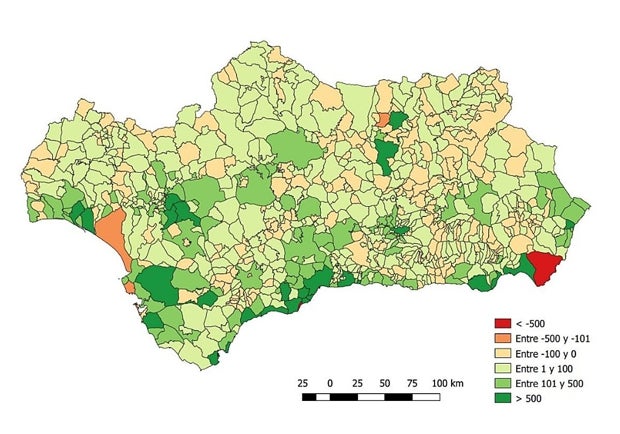
What is important to note, however, is that not everybody can afford to move to these towns. The housing demand within the Costa del Sol comes mostly from young people with higher income and job security. In addition, they mostly opt for semi-detached houses or low-density residential buildings.
The research concludes that the higher the quality and exclusivity of the housing, the greater the percentage of high-income foreign residents.
The research describes as "residential tourism" the immigration activity of European foreigners with higher income. They mostly choose the western Costa del Sol, where they can find flats or single-family homes in private and isolated areas. The research also concludes that the higher the quality and exclusivity of the housing, the greater the percentage of high-income foreign residents.
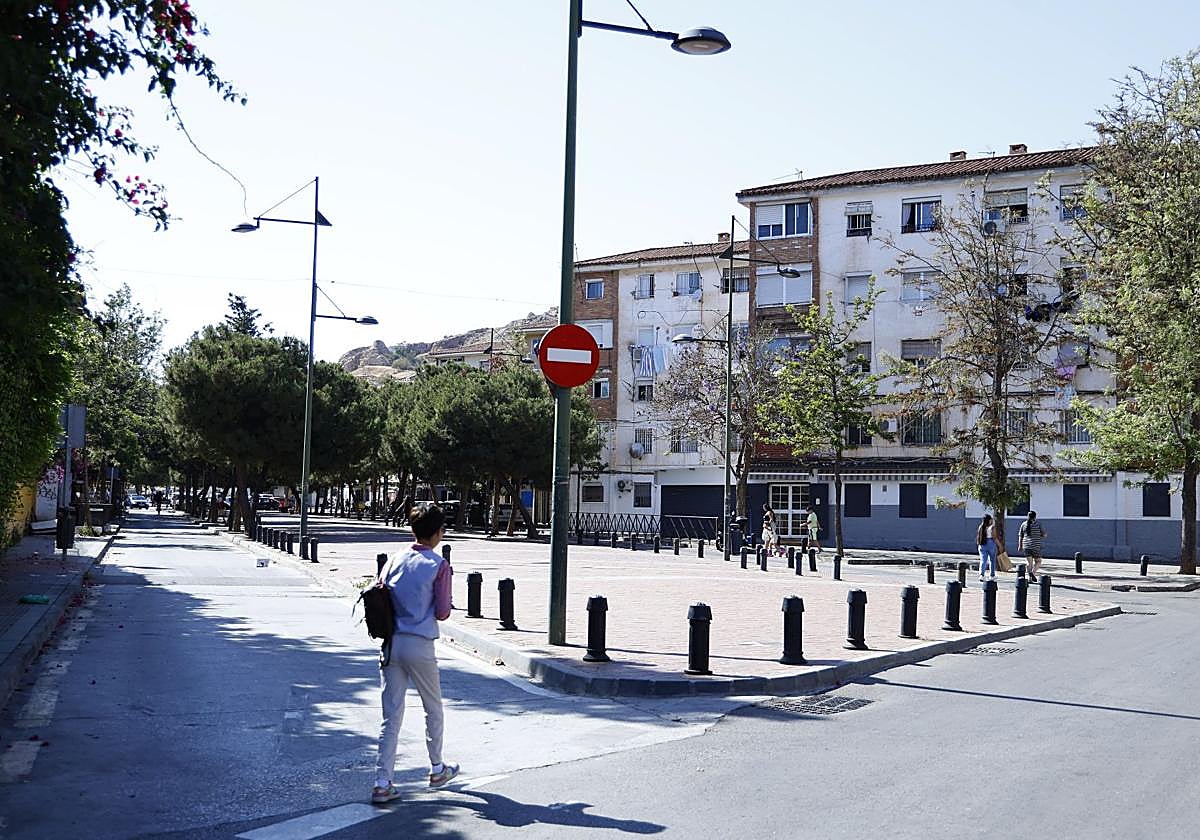
Where do foreigners on the lower-income end live? One district in Malaga city stands out: Palma-Palmilla. This part of the Costa del Sol capital exists in isolation, away from the more touristic and central areas. The Guadalhorce riverbed to the east and Avenida Valle-Inclán to the south have physically distanced it from the rest of the city since its construction.
According to Natera, although the population has diversified, the district is still one of the areas with the lowest income in the city and the highest concentration of migrant workers, especially from North Africa and sub-Saharan Africa, perhaps because that is also where housing prices are the lowest.
Other coastal towns mimic Malaga's model, with areas similar to Palma-Palmilla: Boquetillo in Fuengirola, Divina Pastora in Marbella and La Campana in San Pedro Alcántara.
A divided Costa del Sol
In Malaga, Marbella, Torremolinos, Fuengirola and Benalmádena, there are large numbers of labour migrants and high-income foreigners living side by side. To say that they "co-exist", however, would be an exaggeration.
As the research points out, EU-born residents live in the areas with the best environmental conditions along the coast and in the interior of the municipality. For example, 60 per cent of Fuengirola's population along the promenade is of foreign origin, half of it from the UK. Similar is the case of the Alquería/El Paraíso residential complex in Benahavís, where 70 per cent of the residents are from high-income European countries.
These foreigners can afford to live in detached villas within golf complexes or in frontline beach flats.
60-70 per cent
of the residents in certain expensive areas in Fuengirola and Benahavís are of foreign origin
In Marbella, European residents usually don't live in the eastern part of the municipality, where there is a high concentration of low-income immigrants. They are much more likely to occupy the most exclusive housing areas.
In Malaga, they usually choose the Churriana district. What's interesting is that there is also a division within the communities of migrant workers. Foreigners from Africa usually live in the north, while Latin Americans choose the axis between Calle de la Unión and Avenida de Europa and avoid Palma-Palmilla.
![[]](http://static.vocstatic.com/voc26/latest/assets/images/favicon/surinenglish/apple-touch-icon-57x57.png)