
Legal
Andalusian health service ordered to compensate Malaga surgeon after unlawfully removing him from on-call shifts
The Andalusian High Court has concluded that the measure was adopted outside the legal procedure and therefore recognised the doctor's right to claim the payments he failed to receive
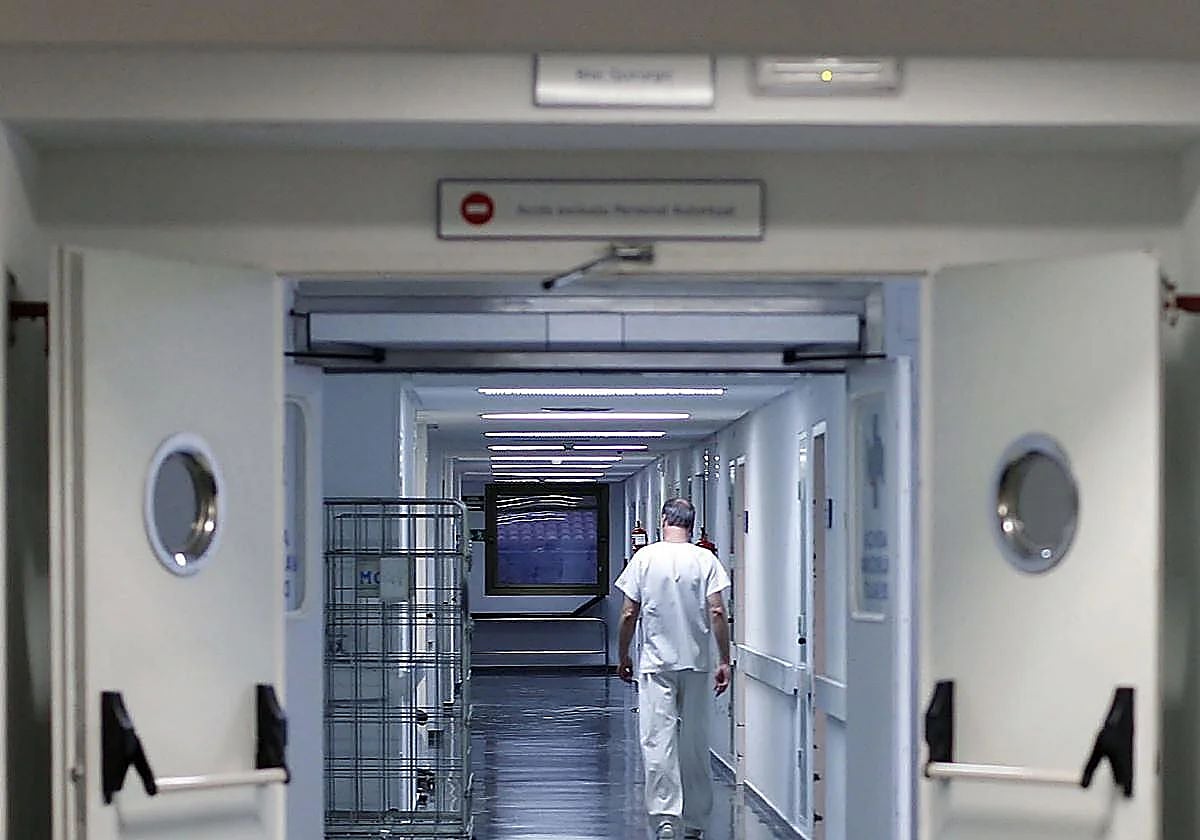

The Andalusian health service (SAS) must compensate a surgeon at Malaga's Hospital Regional after the Andalusian High Court of Justice (TSJA) ruled that it ... unlawfully removed him from his on-call shifts following a dispute over patient referrals to private centres.
The court found that the decision, which cost the doctor part of his income, came without a written or properly reasoned order and outside the disciplinary procedure required by law.
The surgeon stated that the hospital had removed him from the rota after he refused to operate on a patient who did not have signed informed consent and told his superiors that he was unwilling to indicate in patients' clinical records which cases should be referred to private centres.
The court has now overturned an earlier ruling that rejected his claim and ordered the SAS to pay him the wages he lost as a result of the decision, as well as compensation for the moral harm he suffered.
The incident
The dispute dates back to April 2019. After finishing an on-call shift, the surgeon was on his way to the hospital's 8am clinical meeting, as he did every Wednesday, when his head of department called him into his office.
According to the ruling from April this year, the department head reprimanded him and threatened to open disciplinary proceedings against him.
"You're an idiot. I'm going to open disciplinary proceedings against you and have you sacked," he told the surgeon.
Two days later, the doctor was summoned again. When he asked for the allegations against him in writing, he was told that he would not be allowed to work on-call shifts "until further notice". The hospital never formally notified him of the decision in writing and did not provide a reasoned ruling.
From that point onwards, he stopped working on-call shifts, lost the additional income they provided and repeatedly asked the hospital to explain why it had taken the decision.
"Arbitrary action"
For months, the surgeon submitted written requests to the hospital's management. He asked to be reinstated, sought details of the allegations against him and requested protection against what he considered arbitrary treatment.
However, the hospital did not provide the response he was seeking. It did not formally open disciplinary proceedings until several months after it had removed him from the on-call rota.
The dispute eventually reached the TSJA. In April this year, the court ruled in the surgeon's favour, finding that the hospital had removed him from the on-call rota without observing the procedural safeguards required under administrative law.
The court noted that the doctor had worked at Hospital Regional for more than 17 years and that the hospital removed him from the on-call rota verbally, while it did not formally begin disciplinary proceedings until months later.
This sequence of events was incompatible with the legal framework governing precautionary measures against public-sector employees.
Following the hospital management's decision, the doctor suffered episodes of "panic, insomnia and acute stress linked to the workplace problems".
The ruling considers it particularly significant that the doctor did not know why the hospital had stopped assigning him on-call shifts when it took the decision.
According to the court, public authorities must give reasons for their administrative decisions. Such justification allows people to establish whether the circumstances genuinely warrant restricting their rights or changing the working conditions of a public-sector employee.
The court found that none of these safeguards applied in this case. It concluded that the decision "neither gave reasons nor could it have been taken separately from the administrative proceedings, long before those proceedings began, verbally and without warning".
The TSJA ruled that this breached administrative procedure rules and amounted to a ground for absolute nullity, leaving the doctor unable to properly defend himself.
The TSJA has therefore annulled both the administrative decision and the earlier judgment that upheld it and ordered the SAS to pay the doctor the income he lost after the hospital removed him from the on-call rota.
The court has also recognised his right to compensation for the psychological and emotional harm he suffered.
![[]](http://static.vocstatic.com/voc26/latest/assets/images/favicon/surinenglish/apple-touch-icon-57x57.png)