
Tourism
Costa del Sol's tourism industry set to benefit from 'safe-haven' effect this summer
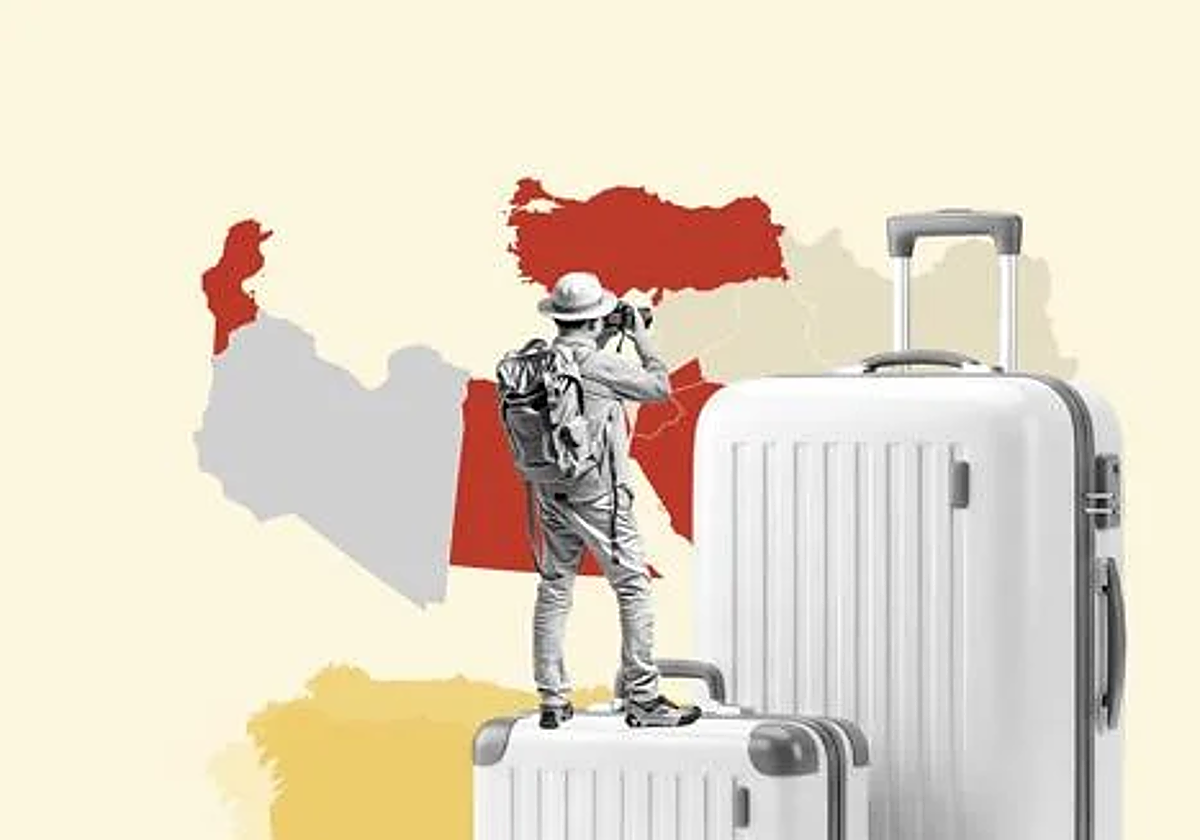
Various reports and tourism lobbies confirm the diversion of tourists to the Mediterranean due to the armed conflict in the Persian Gulf
Pilar Martínez
Malaga
The Costa del Sol will benefit from an increase in "borrowed tourists" from countries impacted by the conflict in Iran this summer, as data confirms. The so-called "safe-haven destination" effect is already beginning to show, alongside growing uncertainty over the risk of jet fuel shortages at some European airports.
Reports by Exceltur, which brings together 32 of the most important companies across the entire tourism value chain, with a combined turnover of 30 billion euros and investments in 40 countries, and Mabrian (leading tourism intelligence and big data analysis firm) point to the same conclusion: the Middle East conflict will drive up bookings.
Industry professionals in the Costa del Sol share this view. Meanwhile, President of Mesa del Turismo (the Spanish tourism board) Juan Molas also warns that the situation is consolidating existing trends such as "proximity travel" - Spaniards holidaying within Spain and Europeans choosing nearby destinations.
Airlines such as Wizz Air are already seeing the shift. Communications chief Andras Rado says: "European passengers are turning towards Spain, Greece and Italy for this summer. Bookings have increased. Spanish destinations may benefit from this war because more tourists will come."
WizzAir is already the fifth largest in terms of passenger traffic at Malaga Airport, where it has increased its flight capacity by 25% this peak season, meaning it will offer two million seats to fly to 17 cities in nine countries.
Figures from Exceltur highlight the scale of the shift. The Gulf conflict zone and the eastern Mediterranean (key tourist regions) attracted 181 million visitors in 2025, including 46.9 million from European markets.
"In a context of insecurity and a preference for nearby destinations, we expect part of this demand to shift elsewhere, especially for summer holidays and family travel, where Spain holds a strong competitive position alongside other southern European destinations," the report states.
According to Deputy President of Aehcos (the Costa del Sol hotel business association) Javier Hernández, Malaga province will improve its outlook thanks to tourists who have changed plans because of the Iran conflict. Along the same lines, head of the travel agency association Sergio García states that "many tourists who had planned a vacation in Egypt or Jordan are now looking towards safe destinations and the Costa del Sol is well-positioned".
Exceltur's latest tourism outlook report suggests that, under the circumstances of a short conflict and ongoing geopolitical uncertainty, the Middle East situation could slightly boost Spain's tourism activity in the short term. It now expects real tourism GDP growth of 2.5% in 2026 (6.7% in nominal terms), up from 2.4% forecast in January and above the 2.3% projected by the Bank of Spain for the overall economy.
If confirmed, the tourism sector would account for 15.9% of Spain's total economic growth in 2026.
Exceltur says this upward revision reflects the greater number of domestic and international tourists choosing Spain for its attractiveness and safety. This could add 2% to tourism GDP (around 4.2 billion euros), outweighing the negative effects of rising prices, weaker demand and reduced household and business income, which could cut tourism GDP by about four billion.
Exceltur also notes that the conflict is boosting Spain's image as a safe and accessible destination among key European markets, helping attract demand away from affected regions. Family holiday travel is likely to benefit most, while some Spaniards may opt for domestic destinations amid uncertainty abroad. Exceltur highlights that "transparency and trust are more important than ever".
Related story
-
Tourism
Camilo Álvarez
However, it also highlights the downsides: rising energy prices, higher travel costs and reduced disposable income, alongside risks such as "supply chain disruption and interest rate increases". It also warns that "disruption to Middle Eastern airline hubs could make it harder for long-haul tourists from Asia to reach Europe".
Despite this, Exceltur insists that stronger tourism activity in Spain will become evident from May onwards, particularly in summer, when redirected demand, "mainly leisure and family travel from European countries, starts to materialise following bookings made in March and April".
Meanwhile, Mabrian has analysed tourist behaviour and sentiment over the next three months across key markets - the UK, Germany, France, Italy and the US, all major sources of visitors to the Middle East and nearby destinations such as Egypt, Jordan and Turkey.
The report says that, following the start of military operations in Iran on 28 February, safety perception indices in nearby countries fell sharply. Bahrain dropped by 81 points to 9.6 out of 100, Oman fell by 56.7 points to 24.8 and Qatar dropped by 54.9 points to 18.4. Qatar, the UAE and Saudi Arabia have since begun to stabilise.
Mabrian also identifies a spillover effect in neighbouring destinations such as Egypt, Jordan and Turkey, which are direct competitors to the Costa del Sol and which, despite not being directly involved in the conflict, "are suffering from a collateral effect attributable to their geographical proximity and perceived risk".
Marketing and Communications Director at Mabrian Carlos Cendra confirms that this scenario is causing "demand to show signs of shifting towards other locations and alternatives". Southern Mediterranean destinations are capturing this shift, with "Spain leading growth (+0.4%), followed by Italy and Morocco, while France and Greece see more modest increases".
Cendra states that the impacted destinations "have worked meticulously to position themselves as stable and safe". "Our forecast for early 2026 showed that Western Asia was gaining market share among international tourism demand, with three cities in the Gulf Arab countries among the top ten destinations in the world for growth in travel intentions during the first half of the year," he says.
Juan Molas says that "the sector never wants to benefit from situations like this, but that doesn't mean this context won't lead many tourists who don't yet know Spain to choose it now". He recalls a similar boom after Iraq invaded Kuwait in 1990, though he stops short of predicting a repeat.
"It's likely that Spanish destinations will act as a haven for safe holidays, but I don't know for sure," Molas states.
What he does foresee is a continued rise in proximity travel: more Spaniards holidaying within the country and more Europeans choosing nearby destinations, with Spain as a key option. He also points to strong demand from British visitors, rapid growth from Polish and Slovak markets and increasing interest in northern Spain for its milder climate and natural landscapes.
"There will be a lot of proximity tourism this summer and that's a very positive trend," he states.
Airlines are consolidating this trend. They have increased capacity at Malaga Airport by 8.6% for this season (from late March to October), reaching a record 22.4 million seats, which speaks volumes about the summer ahead.
![[]](http://static.vocstatic.com/voc26/latest/assets/images/favicon/surinenglish/apple-touch-icon-57x57.png)