
Tourism
Costa del Sol hoteliers try to save Easter Week with discounted offers
Business owners and employers confirm that the drop in bookings has led to a price adjustment with decreases of up to 40 per cent

Málaga
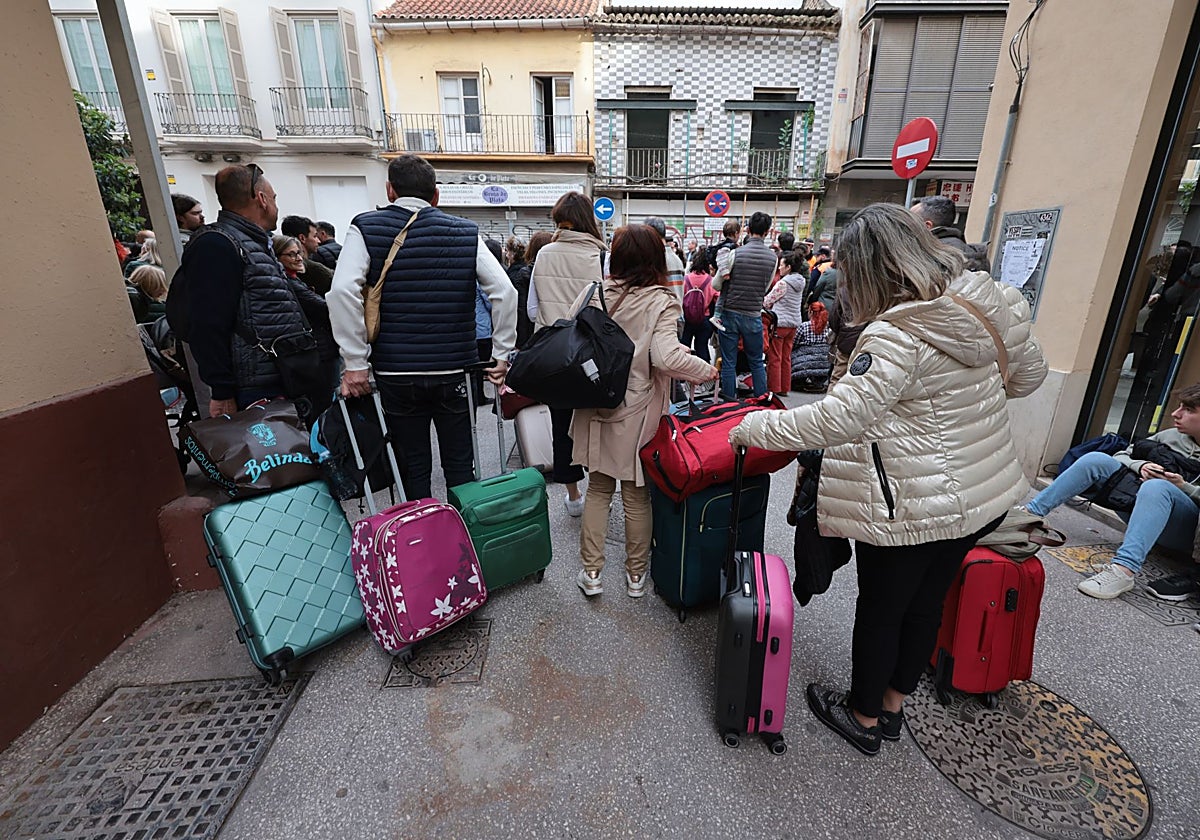
Costa del Sol hotels are pulling all the stops to curb the impact of the 26 per cent drop in bookings due to the lack of high-speed trains in the province. Business owners and employers confirm a general adjustment in prices, which aims to attract tourists with discounts of up to 40 per cent.
The outrage and concern following the announcement that there won't be AVE trains runnning between Malaga and Madrid until at least the end of April have motivated hoteliers to adapt to the new scenario ahead of Easter Week.
Some accommodations have already had cancellations, which has prompted them to reduce prices like never before during this time of year, which usually enjoys high occupancy rates and full bookings.
One look at Booking.com confirms the adjustment of offers. A five-star hotel in the city centre of Malaga, for example, is offering a 40 per cent discount, which makes a four-night stay from 1 to 5 April go from 3,021 to 1,681 euros.
Hotel managers agree that there has been a minimal drop in prices of between ten and 20 per cent at a time when the few rooms left free for the big days of the festivities would normally be raising their rates.
"The situation is very worrying and sad. The Spanish tourist is key at this time of year and the alternatives to the train, such as the private car or the plane, are also discouraging because of the rise in fuel prices which makes travel considerably more expensive," hotel managers say.
The Aehcos association of Costa del Sol hoteliers offered some booking data this week: a general drop of 26 per cent in Easter bookings by national tourists in the Costa del Sol; a 30 per cent decrease in Malaga city; and an 18 per cent drop in other coastal municipalities.
President of Aehcos José Luque says that "it is normal for the market to react with price adjustments" when faced with "such a fall in bookings at such an important time". He is calling for urgent measures and solutions.
Related story
Head of tourism within the CEA confederation of Andalusian business owners José Carlos Escribano has stated that what tourists value in Malaga and the Costa del Sol is the travel convenience. If the airport or the AVE line fail, however, there is a "slowdown in job creation" and bookings.
Agreeing with Luque, Escribano is urging the responsible authorities to "restore the high-speed train as soon as possible" by dedicating all available resources. "We are extremely worried after four missed deadlines," he said.
Founder of MS Hotels Miguel Sanchez complained of unusually low bookings of between 50 and 55 per cent, just ten days before the start of Easter Week.
The Cehat Spanish hotel and tourist accommodation confederation warns that the rise in fuel prices makes the lack of trains more alarming, because many people cannot afford the alternative of travelling by car. "This significantly reduces the competitiveness of our destinations," President of Cehat Jorge Marichal says.
Marichal says that "Spain cannot allow its main tourist transport system to operate with these uncertainties". According to him, the network requires "improvement, modernations and extension" on top of "urgent measures to help contain rising fuel prices".
Rural tourism expects a safe Easter Week
Rural tourism has become a kind of refuge in the face of the uncertainties generated by the absence of high-speed trains and the international crisis.
According to founder of the Ruralidays platform Felix Zea, tourists who visit the countryside usually arrive by car, because the rail often does not reach their destinations. The data confirms this: the occupancy rate from Holy Wednesday to Easter Sunday in this type of accommodation will be over 82 per cent, compared to 73 per cent last Easter.
The average stay has an occupancy rate of over five people, with a price of 1,172 euros, that is, an average cost per person of 35.3 euros per night. The national tourist is key in these first holidays of the year, representing 34.2 per cent of the total. At the same time, the high-speed suspension does not have an impact on foreign tourists either, because they arrive by plane.
Despite his optimism, Zea added that they are still monitoring the impact of the war in Iran. "If the war continues, it will have a beneficial impact on tourism in countries such as Spain in the medium term, both because of the movement of foreign tourists who had planned to travel to other countries and because Spaniards will stop travelling internationally and stay closer."
![[]](http://static.vocstatic.com/voc26/latest/assets/images/favicon/surinenglish/apple-touch-icon-57x57.png)