
Crime
Torremolinos 'owls': the plainclothes police hunting nighttime offenders
SUR joins the Grupo Búho on patrol, an elite unit where instinct and proactive policing keep the Costa del Sol safe after dark
Irene Quirante
Torremolinos
They move through the darkness, discreetly, eyes wide open. Night falls in Torremolinos, where drag performers host packed terraces and drinks barely fit on the tables. Music fuels excess, flirting and a sense of freedom.
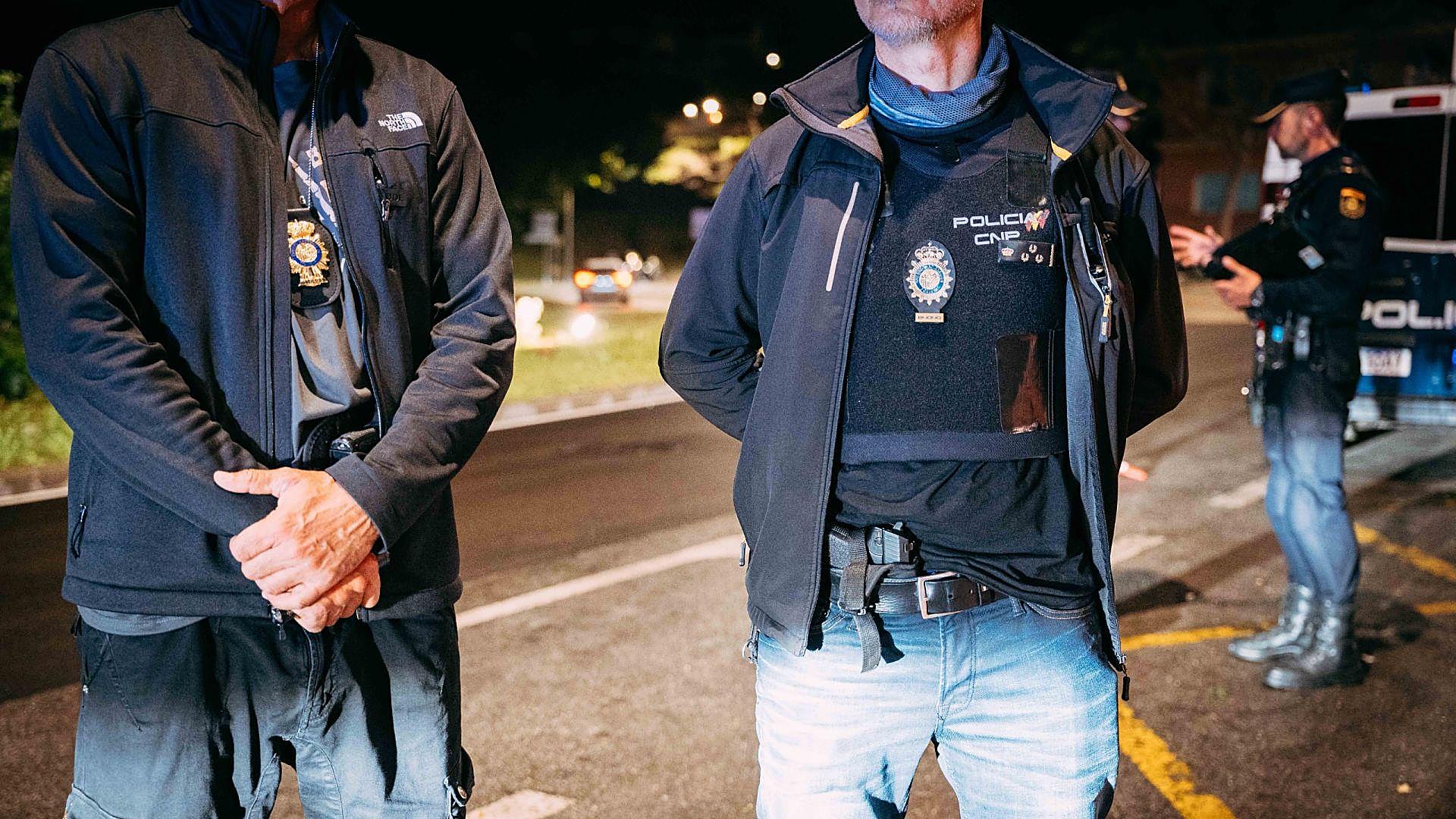
While the town celebrates, police from the Grupo Búho (the 'owl' squad) stay close by, watchful and alert. They know this type of environment creates the perfect conditions for opportunistic criminals. Dressed in plain clothes, like the birds of prey that give the unit its name, they train to swoop on nighttime offenders.

SUR joined the police inspector and the officer leading the unit of 21, whose greatest strength lies in their experience on the streets. The team knows the ins and outs of the Costa del Sol nightlife scene. The figures reflect that: more than 300 arrests a year and around 2,500 reports for drug seizures. "Lots of tourism, lots of nightlife venues… things get a bit out of hand; there's heavy use of designer drugs like tusi, MDMA, 'pope' or mephedrone," they explain.
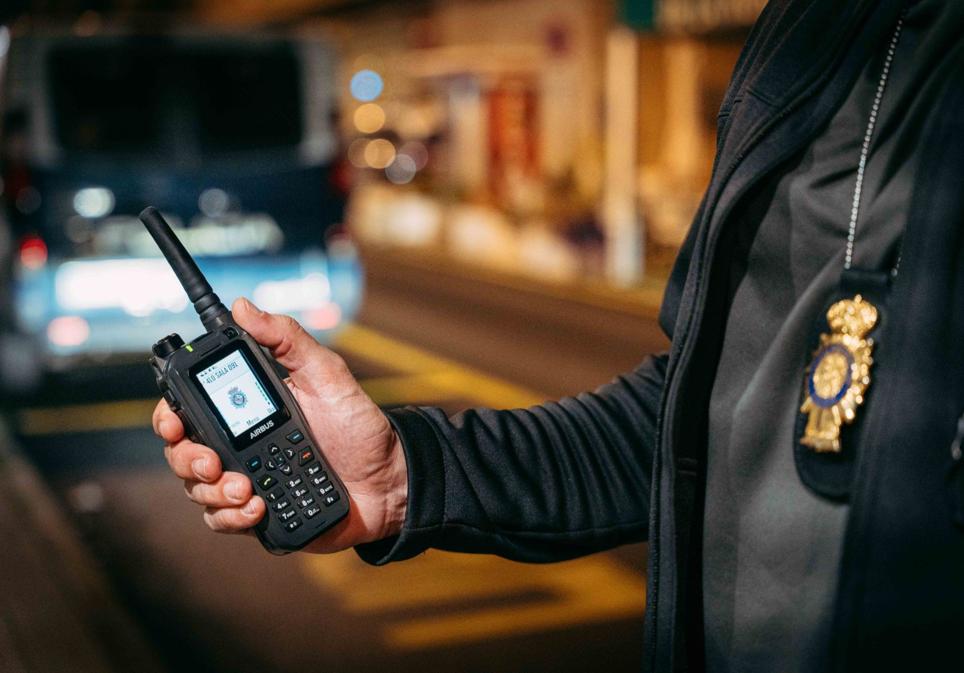
Seven members of the unit left the station shortly after 10pm, after a briefing where they set priority patrol areas and reviewed a list of wanted individuals they believe to move around the area. "Our job is to provide security and patrol specific places, focusing especially on those where we know certain crimes happen more often, whether drug dealing, burglary or violent theft," inspector J. Triano said.
Prevention and identification
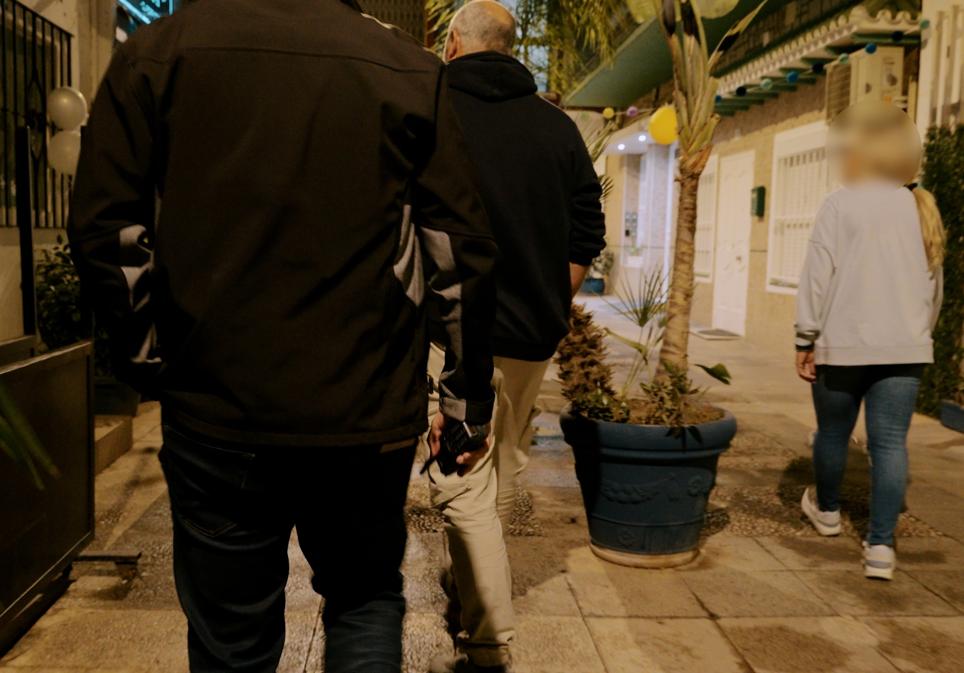
On the night, the pair move quietly through the passages and alleyways of the La Nogalera district. The crowds remain unaware, enjoying the party and the shows. Under neon lights, the team scan the people moving around pubs and nearby streets. "The key isn't to go out and see what you find, it's to observe: our rule is that if something doesn't add up, investigate it," officer J. Martín says.
In these cases, instinct rarely fails: "If someone doesn't fit in, they're probably looking to snatch from someone who's had too much to drink or to sell drugs. We identify them proactively so they know we're around."
This approach does more than deter crime. If someone later reports an offence and the suspect matches the description, the police already have a lead. The 'owls', who also operate in Benalmádena, keep monitoring calls coming through the 091 control room in case something happens nearby. "We deal with many calls about domestic violence and people with mental health issues - families or neighbours often call when someone is in distress," they say.
They also respond when alarms go off in homes or business establishment, which happens several times a night, on suspicion of a break-in. "In those cases, we try to get there before uniformed officers so the thieves don't spot a police presence. That way we don't scare them off and can catch them before they flee," the inspector states.
By midnight, they have already searched for a woman wanted by the courts and identified several individuals, at least a couple of whom are familiar faces. "Some people move around nightlife areas to sell sex and many of them are known to us because they also commit thefts," Triano says. In street slang, male sex workers are known as 'chaperos' and in Torremolinos many suffer from serious addiction issues and extreme marginalisation.
"Their priority is to get money by whatever means and, sometimes, they turn to violence," Martín says. "As they say: 'I'm just trying to survive, mate'." For the police, even when no crime occurs, ID checks serve a dual purpose. "We approach them in a friendly way, ask questions and gather information about new faces in the area, whether they've just left prison or tend to cause trouble. At the same time, we check if they're carrying anything illegal or if they're wanted."
Pursuit
As the night goes on, Triano and Martín head in an unmarked car to Avenida de las Palmeras. The unit will set up a checkpoint there with Benalmádena Local Police. "We're there to support and act as a filter. These operations help locate fugitives or people carrying weapons or drugs," they state. The setup makes it hard for anyone with something to hide to get away.
The first few minutes pass calmly. Drivers cooperate. Even a group of young people step out of their car without complaint while the police check it. Then, after barely 15 minutes, a grey Volkswagen Golf suddenly speeds off after spotting the police.
The response comes instantly. Within seconds, Triano places a blue light on the roof of the car.
They intercept the vehicle within four minutes on the seafront, where the chase continues at speed. The driver, an 18-year-old woman, gets out in a state of panic. The police have to remind her to breathe. "Sorry, sorry, please don't arrest me," she shouts, on the verge of an anxiety attack. They identify the other occupants - two young women and a young man, apparently her boyfriend. "It's fine, relax," he calls out to her.
Related story

"We thought she might not have a licence and panicked, but she does, she's even got her 'new driver' plate on… It smells like they might have had drugs and tried to buy time to hide or throw them away," Triano says. The friends have nothing on them, but the police find a knife on the boyfriend. "What's this for?" they ask. "Just in case… I've got issues with some people," he replies, offering no further detail.
The officers seize the weapon and they report the driver for a road safety offence. The Grupo Búho continues the patrol into the early hours. The most critical hours in Torremolinos and Benalmádena pass without serious fights or violent incidents. "You can never let your guard down here. With weapons and drugs, the smallest thing can escalate quickly," they say.
They will not drop their guard until dawn.
![[]](http://static.vocstatic.com/voc26/latest/assets/images/favicon/surinenglish/apple-touch-icon-57x57.png)