
History
The Axarquía in 19th-century global media
A new book by local historian and writer Francisco Gálvez shows how earthquakes, famine, bandits and pests made international news
Jennie Rhodes
The Costa del Sol is no stranger to the international press, from headlines about the tourism and construction booms, to Brits behaving badly and uncharacteristic weather, but how did the world view Malaga in the nineteenth century?
Intrepid travellers who had heard tales of the gentlemen bandits and business people keen to make a buck out of the raisin and wine trade before it was devastated by the Phylloxera plague were already a relatively common sight. It is unsurprising then that the Axarquía was mentioned in the international media of the time.
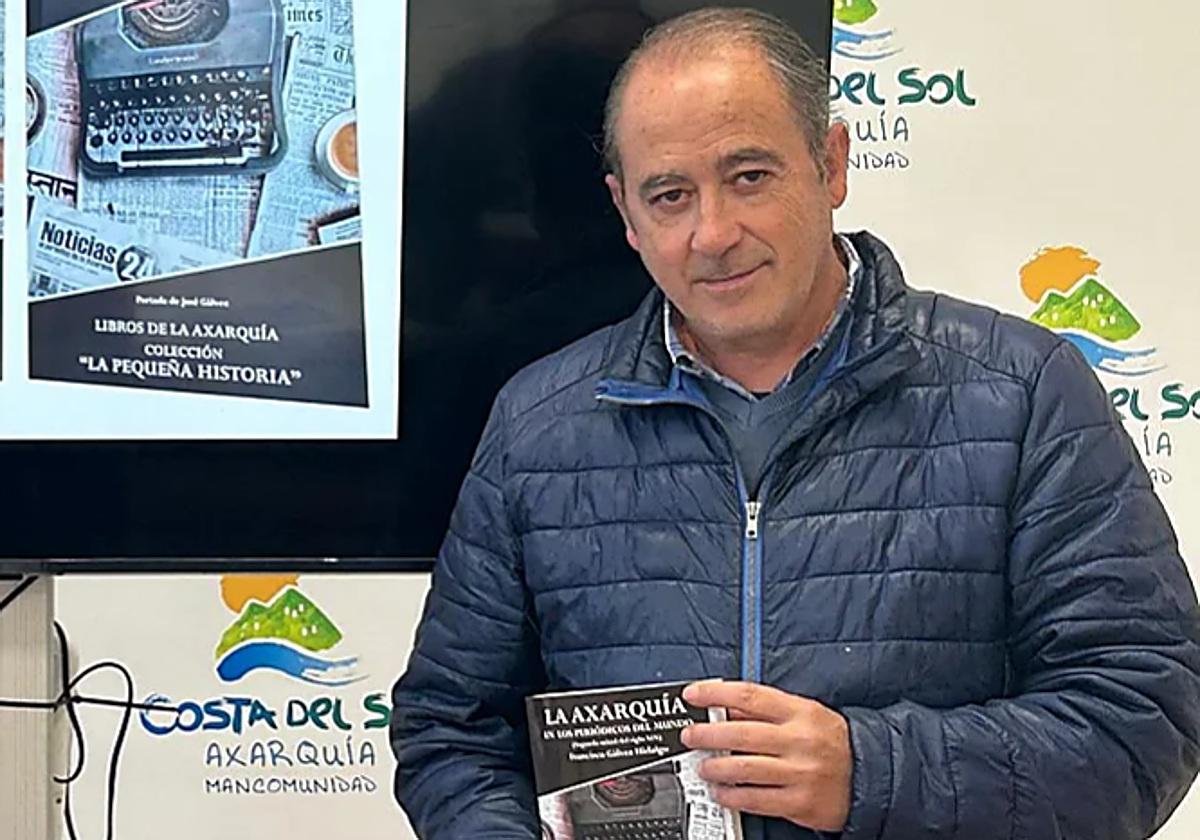
A new Spanish book written by Axarquía-based writer and historian Francisco (Paco) Gálvez Hidalgo sheds light on the perception of the east of Malaga province during that time.
La Axarquía en los Periódicos del Mundo (the Axarquía in the World’s Newspapers) focuses on the second half of the nineteenth century and is a compilation of references published in more than a hundred national and international newspapers, offering a global view of the events that marked the development of the area.
A difficult time
Speaking at the recent presentation of his book in Torre del Mar, Gálvez said that he chose the second half of the nineteenth century for his work as it was “a particularly difficult time for the Axarquía, marked by cholera epidemics, emigration, phylloxera, bandits, the Christmas earthquake of 1884 and Spanish politics”. He went on to say, “It was a time of extreme poverty.”
The book is in chronological order by decades with a prologue written by fellow Axarquía historian and writer, Francisco Montoro, who holds a PhD in History from the University of Malaga.
The book includes an excerpt from Chamber’s Edinburgh Journal from 1853 in which the writer describes the temperature in January in Malaga as similar to that of the Scottish capital in June and that rain is “a rare occurrence”. They might have written something quite different had they visited in 2026.
Mountains and bandits
The Finnish had also discovered the Axarquía by then too and Robert von Kraemer, writing in the Finnish newspaper Wiborg in 1860, found the Sierra de Tejeda mountains “cold” and with “large masses of snow” when he visited, but thought that the views over the “pink mountains with the morning light” looking over to the Mediterranean Sea “marvellous”.
Meanwhile, according to an article in Finland in 1864, the Torre del Mar lighthouse was a “delight” at just 12 metres tall.
Gálvez has unearthed references to the Axarquía in newspapers from Ireland to New Zealand and France to the USA. Writing in France’s Le Figaro, Gustave Lombard was fascinated by the “Andalusian bandits” who were “in fashion” across Europe.
Having found himself four guides, he set off from Vélez-Málaga after a breakfast of omelette with tomato and chorizo, in search of the infamous outlaws. Perhaps the most surprising part of the French writer’s account was his praise for the “excellent bread that we are eating in all parts of Spain”.
Earthquake
News of the 1884 earthquake reached many corners of the planet, from the Glasgow Herald to Idaho World (with special mention of Periana) and the Lyttelton Times of New Zealand claimed that the strongest tremors could be felt in Torrox and Periana. There was no internet or breaking news in those days: this article appeared in the newspaper on 13 February, almost two months after the quake itself.
From the Netherlands to the USA and Finland to the UKisland of Guernsey, news of famine, the phylloxera plague, unpaid teachers in Vélez-Málaga and the death of a bishop filled the newspapers of the late nineteenth century.
In an age where news from the other side of the planet can reach us as it’s happening, for speakers of Spanish and history enthusiasts, La Axarquía en los Periódicos del Mundo offers a fascinating insight into how the world saw the Axarquía area of Malaga province in the second half of the nineteenth century.
Paco Gálvez’s book is now for sale in bookshops in Vélez-Málaga and through the specialised website Libros de la Axarquía.
![[]](http://static.vocstatic.com/voc26/latest/assets/images/favicon/surinenglish/apple-touch-icon-57x57.png)