
Wildlife
New project sets out a roadmap for tackling invasive plant species in Malaga's Axarquía
Hub Terra, the provincial Diputación de Málaga and the Unicaja foundation are promoting a strategy in Colmenar to identify the species
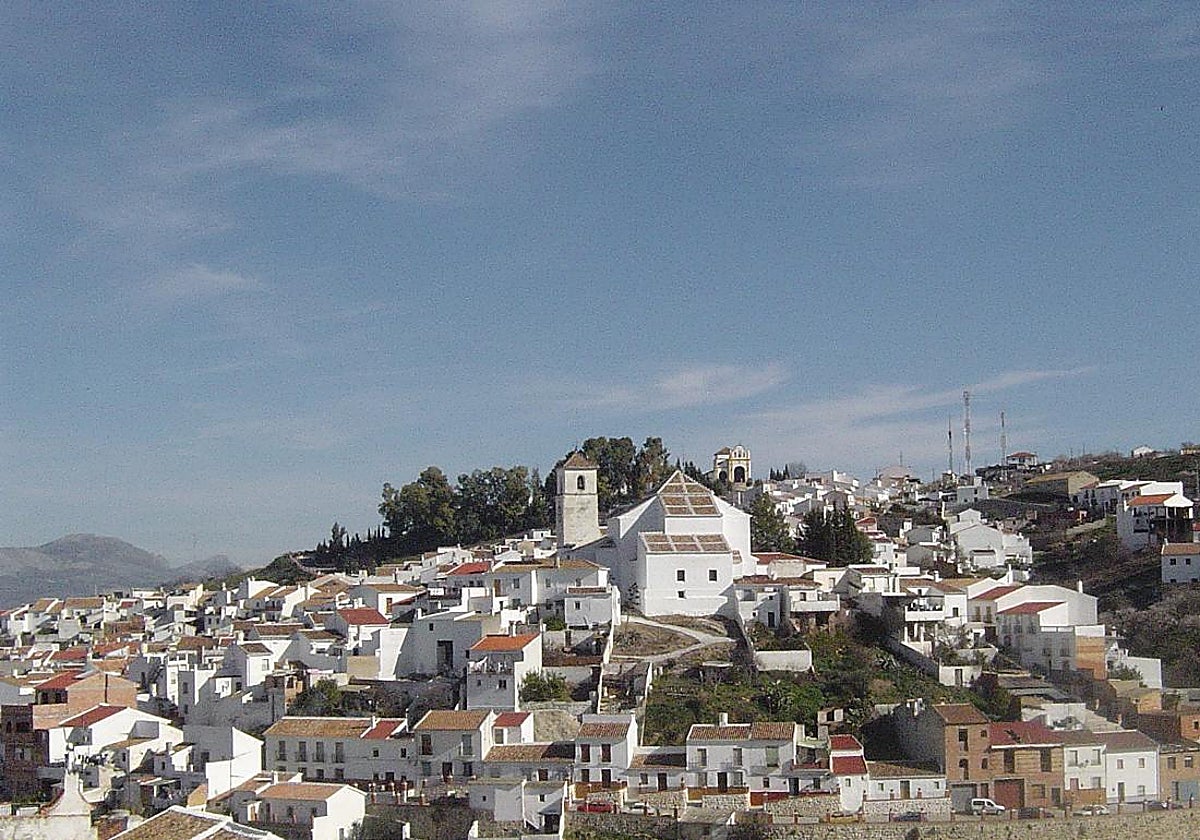

According to the project’s experts, identifying invasive alien species before they spread is the most effective and also the cheapest way to protect native ... vegetation in particularly vulnerable areas like the Axarquía area of Malaga province. With this aim in mind, the town of Colmenar has served as a testing ground for designing a local strategy to halt their spread and provide town halls with a clear roadmap for action.
The project, named 'Estrategia local frente a flora invasora en Colmenar' (local strategy to tackle invasive flora in Colmenar), is being led by Hub Terra in collaboration with Colmenar town hall and with the support of the provincial authirity the Diputación de Málaga and the Unicaja foundation through the Microclimas programme. The initiative has combined a field survey, a distribution and risk analysis and the drafting of a protocol designed for local authorities and stakeholders.
The proposal is based on a simple idea: the sooner an invasive species is detected, the lower the environmental and economic cost of eradicating or containing it. In areas like the Axarquía, where rising temperatures, drought and climate change are fuelling the spread of these species, prevention becomes a key tool for avoiding damage to the landscape, agriculture and the upkeep of public spaces.
Colmenar is launching a strategy to tackle invasive plant species, comprising a survey, a protocol and a campaign to halt their spread in the Axarquía
The species identified in Colmenar and the surrounding area include the golden rain tree, agave, pampas grass, common reed, prickly pear, eucalyptus, lantana, cinnamon tree, Moorish tobacco, Washingtonia palm and false acacia. The project emphasises that taking action against them whilst they are still confined to specific locations is far more effective than intervening once they have spread along riverbeds, paths or agricultural plots.
The initiative also aims to raise public awareness of this issue. To this end, it has launched an awareness-raising campaign featuring an informative video and a leaflet – materials produced with the support of Oikos MSP, a company specialising in environmental communication – which seek to explain why these plants pose a threat to local ecosystems.
A decisive role
The project’s organisers stress that town halls can play a decisive role if they incorporate the detection of invasive species into the routine maintenance of paths, verges and watercourses. The protocol drawn up in Colmenar also proposes coordinating efforts between local authorities to prevent isolated action in one part of the area from being undermined by the spread of the species in the surrounding area.
The case of Colmenar, a town in the Alta Axarquía, right in the heart of the Los Montes de Málaga natural park, with a registered population of just 3,600, forms part of the Microclimas Programme run by the Diputación and the Unicaja foundation, a funding scheme aimed at innovative projects linked to sustainability and adaptation to climate change. In this case, the strategy for tackling invasive flora serves as an example of a preventative intervention with a direct territorial impact on the Axarquía.
The video released by the project sums up its working philosophy in a single slogan: ‘identify, don’t disperse, and report’. This call is aimed at both town hall staff and residents, who can make a very practical contribution by identifying a new species, taking a photo and noting down the exact location, before passing this information on to the council or the project’s website.
The project calls on local residents and local councils to identify new species and report them promptly in order to prevent environmental damage and higher costs
Public participation is, in fact, one of the main pillars of this innovative strategy. The project highlights that anyone who spots one of these species in an area where it was not previously present can help to halt its spread by taking a simple step such as reporting it in good time – an action that enables a faster response and reduces subsequent costs.
With this project, Colmenar serves as a case study in local management of invasive flora in the Axarquía, a region where climate-related pressures and the fragility of certain environments make early detection a priority. The aim now is to ensure that the tool designed does not remain merely a diagnostic tool, but becomes a useful protocol for other local authorities facing similar problems.
![[]](http://static.vocstatic.com/voc26/latest/assets/images/favicon/surinenglish/apple-touch-icon-57x57.png)