
History
Al-Andalus spring discovered in Malaga province's Axarquía
Researcher Valentín Fernández Camacho attributes the discovery to the Islamic period in Andalucía and whose heritage significance had, until now, remained undocumented
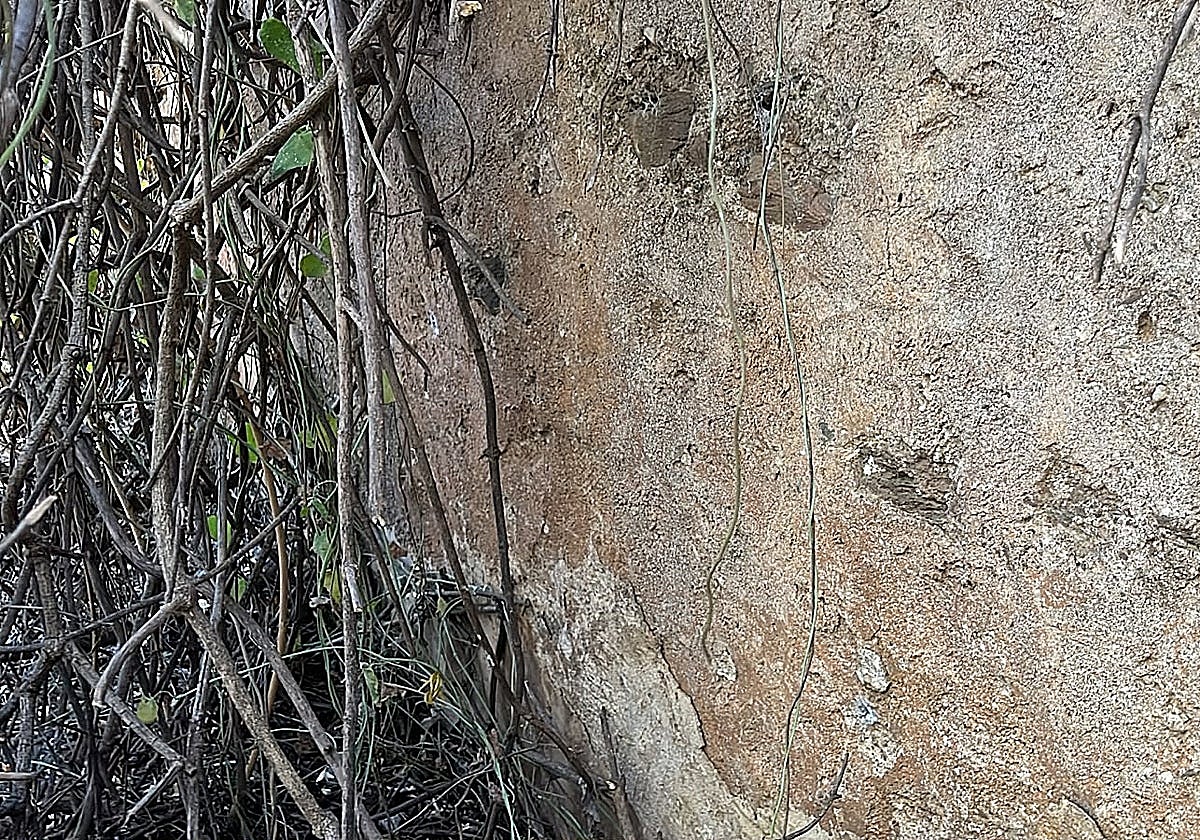
Eugenio Cabezas
A historical study has led to the identification of an ancient spring in Sayalonga in the Axarquía area of Malaga province, which the researcher Valentín Fernández Camacho attributes to the Al-Andalus period and whose heritage significance had, until now, remained undocumented.
This is the spring referred to as ‘Gacini’ or ‘Algacini’ in the ‘Libro de Apeo de 1572’ (land Survey book of 1572) and known among older residents as the Fuentezuelas spring. The discovery has already been reported to Sayalonga town hall to try to ensure its protection and study.
Fernández, who holds a PhD in History and is a teacher at the Reyes Católicos secondary school in Vélez-Málaga, located the site after spending approximately two years transcribing and analysing the original manuscript relating to Sayalonga. The document forms part of the so-called ‘Libros de Apeo y Repartimiento’ drawn up following the War of the Alpujarras and the expulsion of the Moorish population from the former Kingdom of Granada.
These books served as detailed inventories of the properties abandoned by the Moriscos (Muslims who were forced to convert to Christianity after the Reconquista) and subsequently allocated to the new Christian settlers. They list estates, roads, irrigation channels, mills, fountains, cemeteries and other structures, as well as the names of their former owners. In the case of Sayalonga, the settlers came mainly from the area around Antequera, according to Fernández’s research.
The difficulty with these documents lies largely in their 16th-century legal style of writing. Transcribing them has enabled Fernández to reconstruct part of the village's ancient geography and to identify references to Islamic cemeteries, irrigation channels, and oil and flour mills. Among these, a hydraulic structure known as ‘Gacini’ or ‘Algacini’ appeared repeatedly; the researcher links this term to an Arabic word meaning ‘washing place’ or ‘washing fountain’.
To determine where it might be located, the historian cross-referenced documentary sources with the current topography and his father’s, José Fernández’s, knowledge of the area. The search eventually led to a spot near the road linking Sayalonga with Cómpeta. There they located the spring, almost hidden by thick vegetation, but still known to some local residents as the Fuentezuelas spring.
Open to visitors
The discovery now paves the way for a second phase focused on its protection and enhancement. Fernández has submitted the findings to Sayalonga town hall so that the necessary procedures can be initiated and its existence reported to the Andalusian regional government. The classification of the spring dating from the Al-Andalus period is, for the time being, based on the historical study carried out and will need to undergo the appropriate heritage assessment.
The researcher has also proposed taking advantage of the spring’s proximity to the village centre to create an Al-Andalus-style garden in this area, which would enable the site to be restored and made accessible to visitors. The mayor of Sayalonga, Sagrario Fernández has, according to the researcher, committed to managing the potential acquisition of the land and working on the enhancement of the site, with a target date of 2027.
This is not the first time that land survey records have led Fernández to forgotten traces of the Axarquía’s past. Earlier this year, together with David Ortega and Manuel Becerra, he presented a study of the 1572 land survey of Corumbela’, which enabled them to identify mills, cemeteries and a settlement predating the present-day village, which they named ‘Corumbela la Vieja’ (old Corumbela).
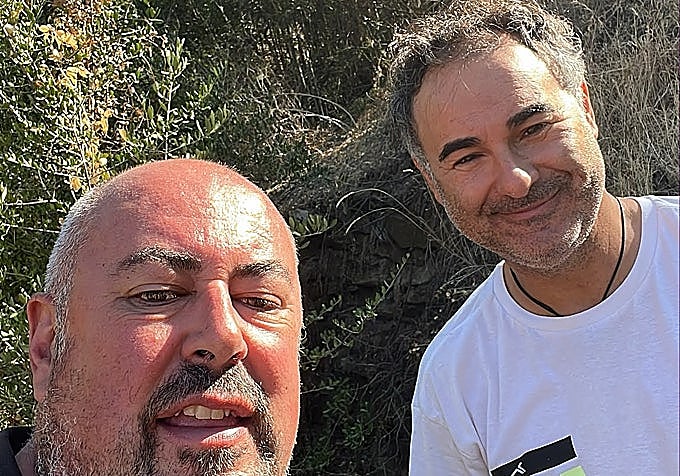
Fernández went on to explain that these documents are of "great importance" because they list the names of Islamic landowners and new Christian settlers, as well as roads, mills, cemeteries and other features that enable historical heritage sites to be located on the ground. That research also identified the ancient fountain of Alpaquía, in the area known as Las Tres Fuentes, a water feature covered with large stone slabs.
Fernández had already noted in his previous work that these manuscripts continue to hold surprises: in addition to the expected features, "unexpected discoveries always emerge". The Fuentezuelas spring is now included in this inventory, which awaits study, protection and dissemination.
Read comprehensive news from the Axarquía.
![[]](http://static.vocstatic.com/voc26/latest/assets/images/favicon/surinenglish/apple-touch-icon-57x57.png)