
Travel
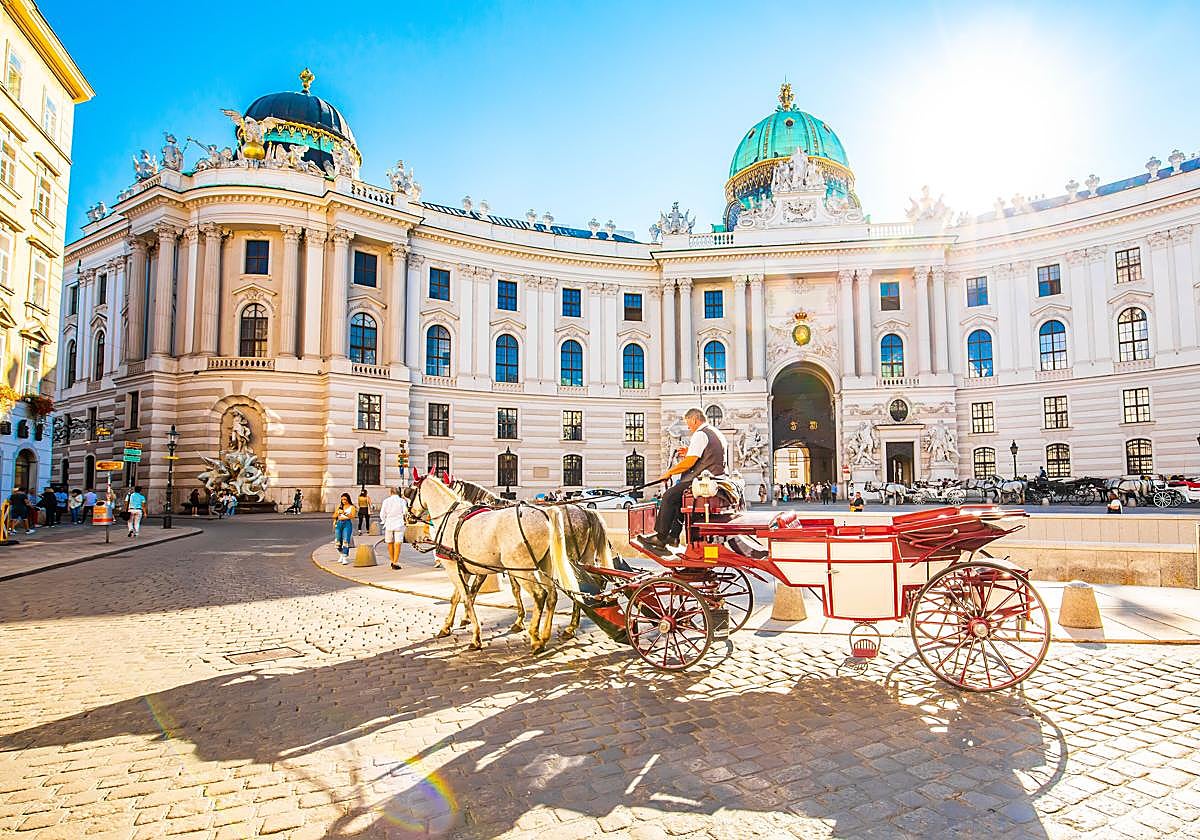
Vienna. A top contender for the most romantic city in Europe
Elegant and yet understated, the capital of Austria is a city that's hard not to fall for, or fall in love in
Anya Soares
Malaga
Vienna. The romantic, swirling city that set the stage for the fateful encounter between Jesse and Céline (played by Ethan Hawke and Julie Deply, respectively) in the cult classic film, Before Sunrise (1995). A city where its districts sprawl out in every direction, each with its own rhythm.
According to US financial services company Mercer's "Quality of Living Ranking", Vienna holds the title as the second most liveable city in the world, beaten only by Zurich, Switzerland.
There are many reasons for this: a transport network with an understated elegance, both affordable and efficient; the fact that it easily blends the urban and the pastoral, with green spaces making up almost 50% of the city; but above all, Vienna's character is shaped by the Hapsburg dynasty's lasting legacy.
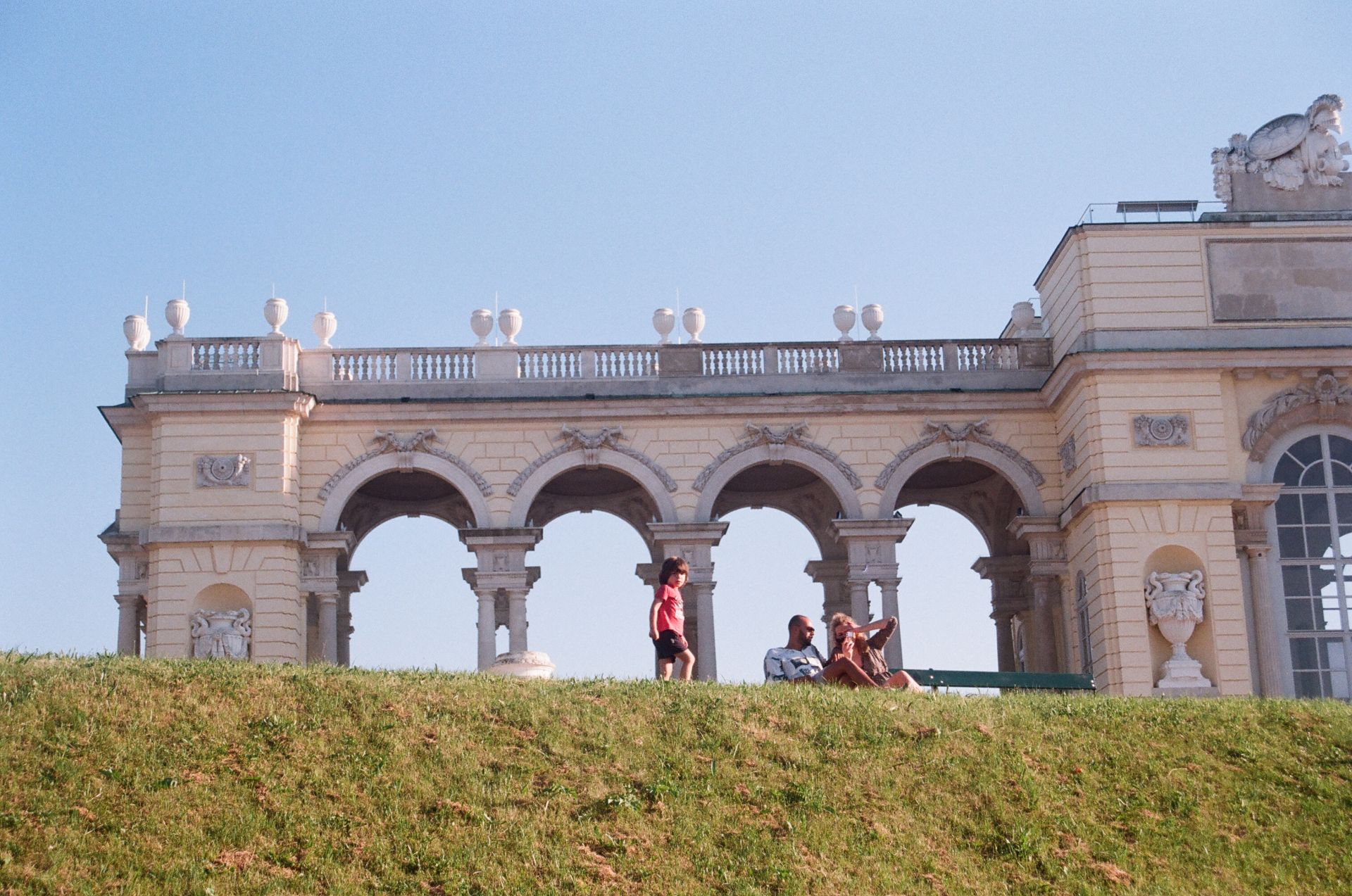
Vienna's city centre is a cultural artifact, preserved in time by the Hapsburg's influence, and is a good place to start exploring if you want to learn about how one family shaped the entire city. They were a powerful dynasty - the titular rulers of the Holy Roman Empire for nearly four centuries, meaning their territories engulfed several central European countries. They reigned continuously over modern-day Austria for even longer, from the tail-end of the 13th century until the end of WW1 (1282-1918).
City centre
Without a doubt, the dynasty has left behind an indelible mark on the city, with different landmarks representing distinct periods of their rule. St Stephen's Cathedral, for instance, was originally built during the Middle Ages, in 1147, and underwent major renovations in the 13th century to include a Gothic nave and later a tower and spire. Today, this church stands as the tallest in Vienna, representing the Hapsburg's relationship to the European gothic.
The Imperial Palace is a must-visit. Known as the Hofburg Palace in Austria, this complex of royal buildings and lush gardens was the sole residence of the Hapsburg dynasty, boasting 19 courtyards, 18 wings and 2,600 rooms. The palace now houses offices in which nearly 5,000 people work.
What makes the Hofburg so impressive isn't just the sheer size of the palace complex, but how it was extended on by each ruler of the royal family. The Schweizertor (Swiss Gate), for instance, was built in 1552, and is one of few Renaissance monuments in a decidedly Baroque city.
On the other hand, the Hall of Ceremonies was built in a classical style, where grand balls and other social events took place, in the 19th century. As a result, it's unsurprising that Vienna's city centre is on Unesco's World Cultural Heritage list.
Coffee houses
Another part of the culture is the coffee houses. They can be found in any of the 23 municipal districts, serving: melange coffee - one part large espresso with water, one part warm milk, and steamed foam on top (no, not a cappuccino) apple strudel, sacher cake and other delights.
Just like the rest of the city, the coffee houses are beautiful and ornate. Cafe Central arguably comes out on top in terms of ambience. The waiters, in their crisp suits, balancing coffee cups on silver trays, instantly put the visitor at ease. The vaulted ceilings and the soft yellow lighting turn the guests into spectators, plucked out of their ordinary lives and gently placed into the late 19th century. Not to mention, revolutionaries Leon Trotsky and Sigmund Freud were both said to have frequented the place. The only downside is the permanent queue formed outside of this famous spot.
Furthermore, it's not necessary to go to Vienna's iconic State Opera house to listen to music - although it would be a crime to ignore the venue. Music is everywhere, given that the city is home to composers Mozart and Beethoven. In fact, Mozart used to play all over Vienna, in Hofburg Palace, Schönbrunn Palace, as well as coffeehouses, like Cafe Frauenhuber. Carrying on this cultural tradition, intimate concerts are held in cafes that offer a varied music programme throughout the city.
Markets
However, it's also important not to overlook the unique districts of Vienna. Locals call their neighbourhoods 'grätzel', signifying that each district has its own character. Going to one of Vienna's markets is perhaps the best way to get a feel for the diverse communities that make up the city, aside from grand palaces and art museums.
There are many, the most well-known being Naschmarkt, located in the fashionable 4th district. This iconic outdoor market is 1.5km long, where vendors sell everything from meat to fresh produce, to antipasti and countless types of hummus. Each open-air stall is undoubtedly influenced by different ethnic populations that immigrated to Austria decades ago, for instance the Turkish diaspora in Austria, which is the largest diasporic community in the country.
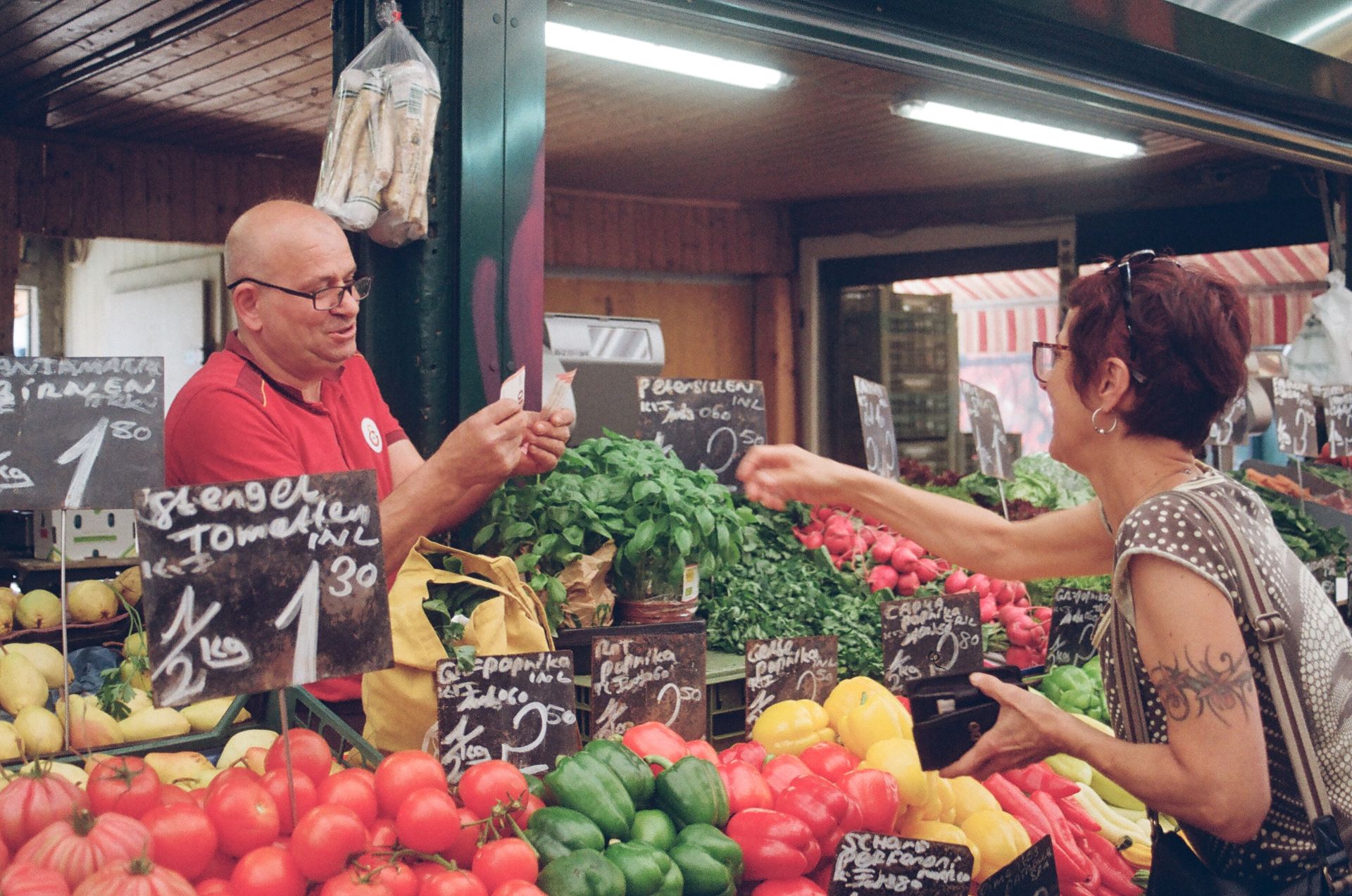
Naschmarkt is also home to the largest flea market, open only on Saturdays, perfect for those looking for furniture, antique goods and all sorts of bric-a-brac.
If a more alternative scene is what you're seeking, then Mariahilf district is a brilliant part of the city to discover. The iconic record store Alt und Neu is one of the places Jessie and Céline find themselves in Before Sunrise, listening to Kate Bloom's 'Come Here' inside a booth. If, just like them, all you have is 24 hours, then you have to make the most of Vienna.
![[]](http://static.vocstatic.com/voc26/latest/assets/images/favicon/surinenglish/apple-touch-icon-57x57.png)