
Travel
Rich in history and quality beer, Prague can do it all
When visitors get a taste of the city's gorgeous town squares and delightful breweries, it's hard to resist its charm
ANYA SOARES
A four-hour train ride from Vienna or Berlin, Prague sits in the middle of central Europe, and is truly a city to behold. From the constant buzz of Wenceslas Square, where window shopping, mass protests and bar-hopping chaotically coexist, to cobblestone streets borrowed from fairytales, there is so much to experience in this compact city.
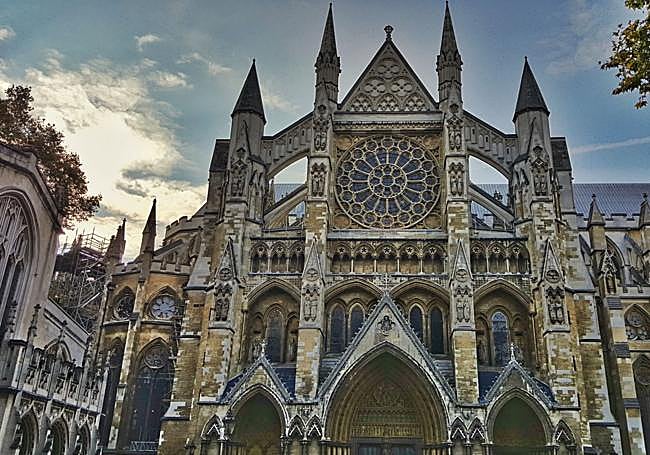
Prague's history is rich; rulers such as the fabled "Good King Wenceslas" (known for his pious nature) and Charles IV have influenced much of the culture today. For instance, some of Prague's most iconic landmarks were remodelled by Charles IV - the 14th-century Holy Roman Emperor - in the European Gothic fashion.
During his rule, Prague was made the designated capital of the Holy Roman Empire, and consequently, Charles IV became the patron of Czech art and culture. For instance, he oversaw the reconstruction of Prague Castle, the largest castle complex in the world, and with it, other unmissable monuments, like the stunning St Vitus Cathedral. Among other developments, he founded the University of Prague, which was the first university to exist in central Europe.
Today, Lesser Town is known for its charming pubs, gothic churches, and Prague Castle, which draws in 1.8 million visitors per yearUnlike many other cities under Nazi occupation, many buildings in Prague's Jewish Quarter have been preserved
Lesser Town
If you don't know where to step first, there's no need to worry, as Prague is a city that's best explored on foot; it takes around half an hour to get from one side of the city centre to the other. Lesser Town embodies medieval Europe: the streets are lined with Renaissance and Baroque era buildings that used to belong to the aristocracy - however perhaps the common folk did not live so happily, as the quaint Lesser Town Square was also where people were sentenced to hang in the gallows. Fortunately, today, this part of Prague is mainly known for its charming pubs, gothic churches, and Prague Castle, which draws in 1.8 million visitors per year.
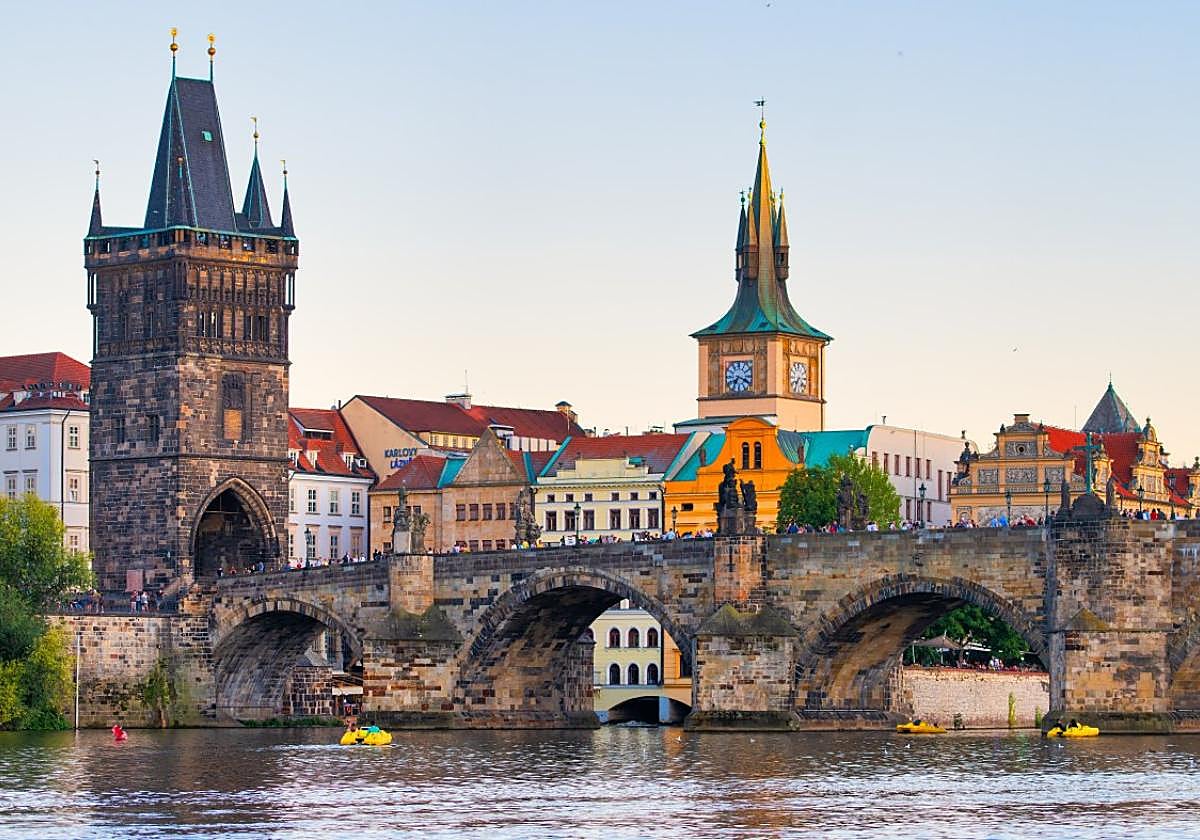
To head from the Lesser Town to the Old Town, you have to cross Charles Bridge. This isn't just any bridge, but a magnificent structure that overlooks the vast Vltalva river, making it a certified Unesco world heritage site.
All the way along the medieval bridge are 30 statues depicting prominent figures, such as Saint John of Nepomuk, who, legend has it, was thrown off into the river by King Wenceslas for inviting an enemy bishop to Prague. When the saint fell into the water, stars were said to have appeared out of nowhere, which is why the plaque adjoining the statue has a cross and five stars on it.
Jewish Quarter
On the side of the river, the Jewish Quarter is located in Old Town. This is an area that has experienced many reforms, from the golden age of the 16th century, where under Emperor Rudolf II, many synagogues were built and Jewish culture was venerated, which falls into sharp contrast with the treatment of Jewish people during Nazi occupation of the Czech Republic in the 20th century. Unlike most other European cities that were under Hitler, many historical buildings in the Jewish Quarter, like the six synagogues, have been preserved, due to Hitler's desire to make the Jewish Quarter a "museum of an extinct race".
Both emancipated and exiled at different points in history, visiting here is a chance to learn about Jewish history, as well as discovering the birthplace of the iconic Jewish novelist, Franz Kafka.
Czech beer
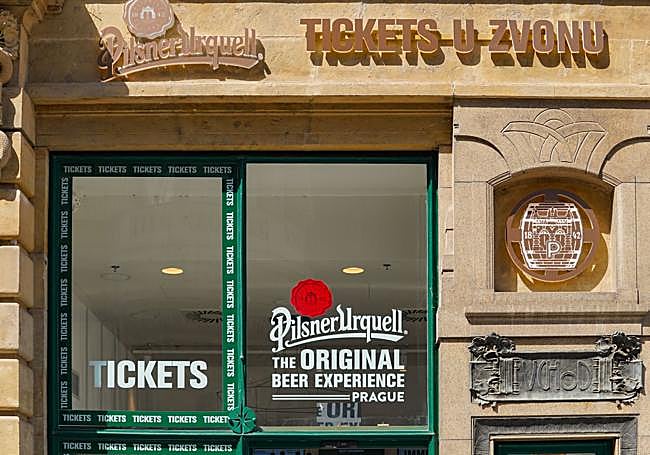
Aside from historical monuments and sight-seeing, it's hard to talk about the Czech Republic without touching on other cultural aspects such as its famous beer ('pivo' in Czech), the most popular varieties being Pilsner Urquell, Staropramen and Budweiser Budvar. These premium beers are brewed in the country but exported all over the world. Additionally, you will probably spot names like Gambrinus, Radegast and Kozel in pubs; these are beers that locals usually go for.
Given that the Czech Republic actually beats Germany as being the number one beer-drinking nation in the world, it's no surprise that there have been many developments in the local brewing industry. For instance, in pubs and restaurants, sometimes there are air tanks on display in the main bar area. These tanks aren't just for show, they actually give the beer a more chilled and refreshing taste because unlike regular beer stored in barrels, the tanks remove the need for pasteurisation to ensure its longevity.
If everything sounds appealing, Prague offers micro-brewery tours all over the city, where not only beer is on offer, but also to find out just how Pilsner Urquell made the first golden lager in 1842, or how the Czech beer industry thrived under communism.
Although it's true that Prague suffered the brunt of Nazi and Soviet occupation throughout the 20th century, the city is all the more vibrant today, unencumbered by its heavy past and instead turned towards the future.
![[]](http://static.vocstatic.com/voc26/latest/assets/images/favicon/surinenglish/apple-touch-icon-57x57.png)