
Travel
Beyond the resort line
The Dominican Republic isn't just beaches - it's mountains, rivers, colonial streets and a rhythm that gets under your skin
Daniela Craft Márquez
When people picture the Dominican Republic, a few things may come to mind: white sand, coconut palms, turquoise water, Punta Cana's resort strip stretching out along the coast. And it's true, this country has every ingredient of a classic Caribbean escape. But there's a whole other side to it: mountains that roll into rivers, colonial towns frozen in time and a pace of life that has a way of slowing you down along with it.
I've been visiting for years, all-inclusive resorts one trip, small hideaways the next, and I always leave a little slower on my feet than when I arrived. There's something about this place that keeps pulling me back.
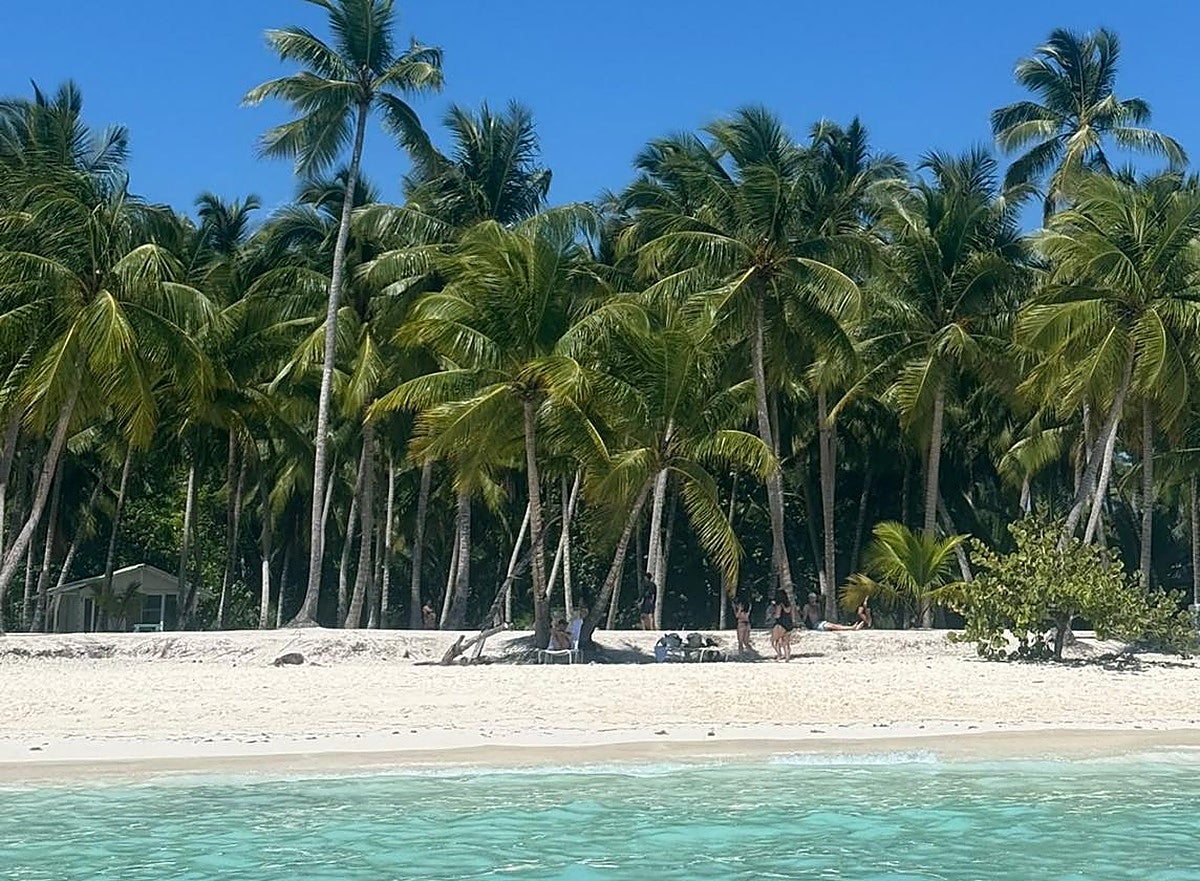
No trip to the Dominican Republic is complete without Isla Saona. This protected nature reserve off the southeastern coast has water so clear and so turquoise it barely looks real in photos. Boats typically stop at the 'piscina natural' - a natural pool where starfish rest on the seafloor, ringed by miles of untouched, palm-lined beach.
Somewhere along the way there's rum and coke, bachata drifting from a speaker, coconuts cracked open to drink, and a stop in Mano Juan, a tiny town accessible only by boat, its wooden houses painted in every colour imaginable along one of the most beautiful stretches of sand you'll ever see.
Small stalls sell handmade goods crafted right there on the island. It's the kind of day that ends up defining the whole trip.
Santo Domingo
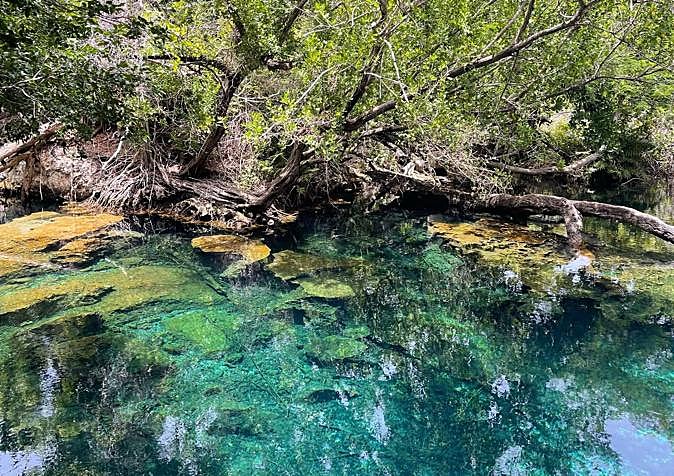
For something more cultural, head to the capital. On the way, don't miss the cave pools - pockets of impossibly turquoise water tucked into the landscape, wrapped in a stillness that feels almost otherworldly. Los Tres Ojos National park is the highlight.
Santo Domingo itself is arguably the most authentic, historically rich stop on any Dominican itinerary. Its colonial centre is a Unesco World Heritage Site and home to the oldest cathedral in the Americas, cobblestone streets, colonial architecture and the former home of Diego Colón, son of Christopher Columbus. Wandering through it feels like a world away from the resort coastline.
Then there's Samaná - a lush, green peninsula in the northeast that moves at an entirely different pace. Small, boutique hotels, near-empty beaches and an unhurried rhythm make it a favourite for nature lovers.
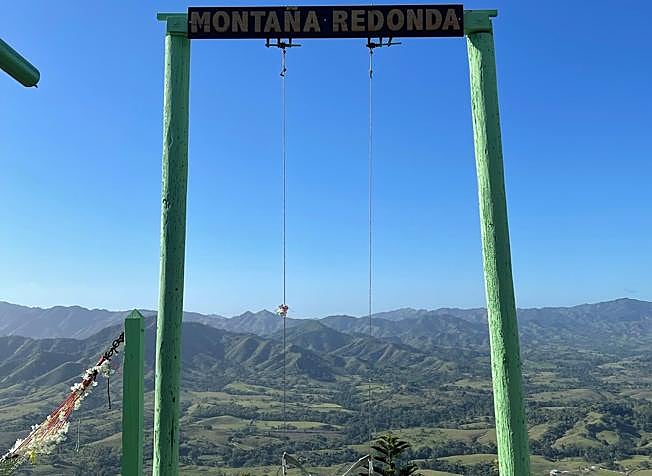
Visit between January and March and you can watch humpback whales up close in Samaná Bay. On the way there, stop at Montaña Redonda, a 1,000-foot round mountain famous for its giant swings suspended over a sweep of green hills that seems to stretch on forever.
Just off the coast, Cayo Levantado is well worth the detour - a small, largely untouched island that makes for a perfect day trip. Isla Catalina, further south, is just as beautiful.
For something different again, take a boat along the Chavón River, where the scenery alone justifies the trip, or seek out one of the country's many rivers for a swim in cool, clear water.
Bávaro, close to Punta Cana International Airport, is where the all-inclusives cluster. Nearby Macao Beach offers a wilder, public stretch of coast known for its big waves, and it's a great spot for horse riding along the sand.
For a change of pace entirely, Casa de Campo is a standout: it has its own recreated Italian village, complete with an amphitheatre and a string of restaurants and getting around by golf buggy makes it hard to ever get bored.
Cuisine
The food in the Dominican Republic alone is worth the trip. Fried fish straight off the boat, fruit so rich and flavourful it converted me to mango (I never liked it before visiting this country) and rum that holds its own against anything else in the Caribbean.
Meals here are unhurried and full of flavour, and the produce tastes like it was picked that morning - because it usually was. Avocados the size of your head. Passion fruit worth crossing an ocean for. Arroz con guandules (rice slow-cooked with pigeon peas) and arroz moro (rice and beans cooked together until the grains turn a deep, savoury brown). Crispy tostones (fried plantain) are the perfect accompaniment.
Add a Dominican-style fried breakfast, and it's easy to see why nobody's ever in a rush to leave the table.
The good news is you don't need to route through another continent to reach paradise. Direct flights connect Madrid to both Punta Cana and Santo Domingo, with airlines including Iberia and Air Europa operating the route year-round. The flight takes around eight to nine hours, making a long weekend more than doable if you're short on time.
The best time to visit is between December and April, when the weather is dry and pleasantly warm. If whale watching in Samaná is on your list, aim specifically for January through to March.
![[]](http://static.vocstatic.com/voc26/latest/assets/images/favicon/surinenglish/apple-touch-icon-57x57.png)