
Travel
Aarhus: Denmark's lesser-known metropolis
Slip into authentic Scandi lifestyle in the country's second biggest city - just as worthwhile as Copenhagen, but without the overtourism
Emma Blanch
Aarhus
As stunning as Copenhagen is, it may not be the true representation of Danish lifestyle. Brought on by the recent influx of visitors in the capital, perhaps the more authentic side lies in a less touristy city.
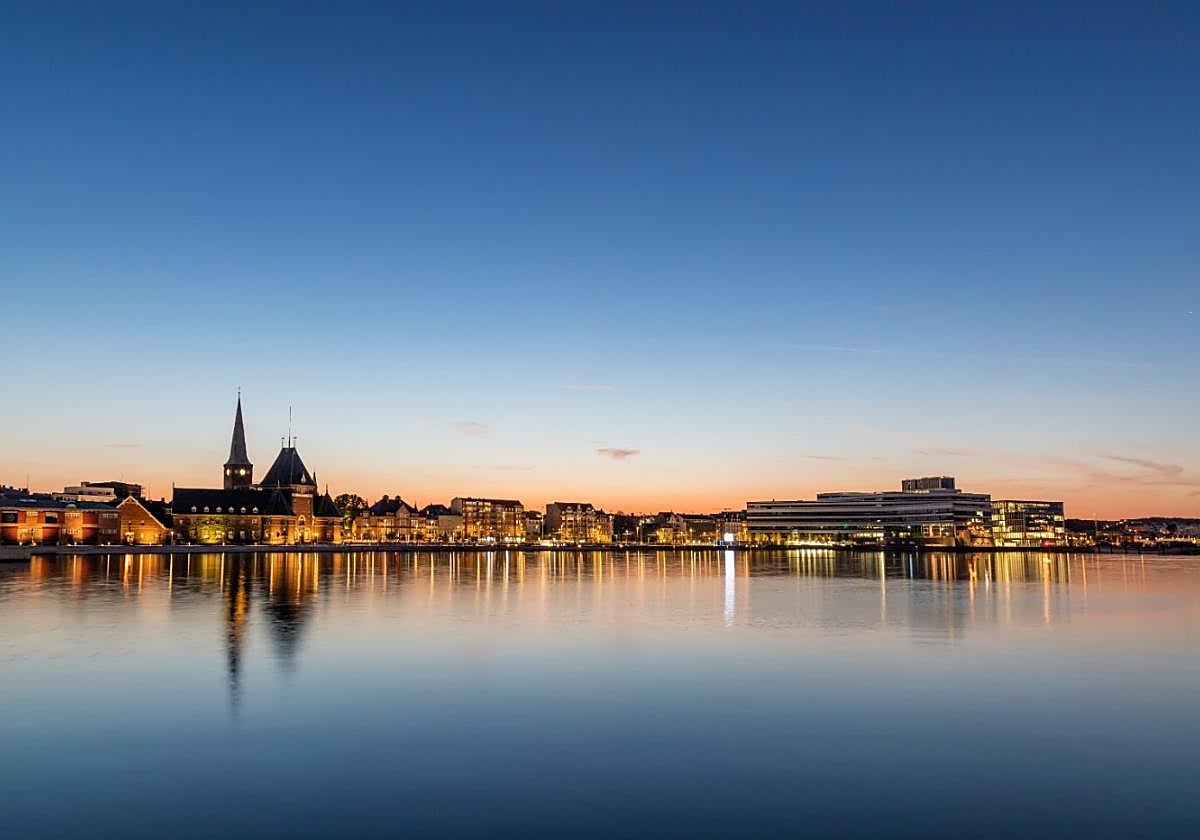
Welcome to Aarhus - in under four hours away from Malaga, arrive in Denmark's second largest city. An open, metropolitan city often unjustly missed off the Scandi bucket list by tourists.
Brimming with student life, creative types and nature lovers - this city deserves its time in the spotlight. Aarhus was an important Viking outpost, with records dating back to 700 AD. The entire city was enclosed by a wall - the sea acting as its protective moat. While the wall is no longer visible in modern-day Aarhus; its history can still be uncovered in the Moesgaard Museum and the Vikingemuseet. The former uses modern technology to exhibit anthropological discoveries. The latter is a small, basement museum which opens the window to Viking town 'Aros' in Bishop's Square - near Aarhus Cathedral. The Domkirke began construction in the late 12th century and its Romanesque and Gothic styles make it a landmark of Aarhus architecture.
Blend of architectural styles
Den Gamle By (The Old Town) is another architectural signature - with cobbled streets lined with beamed cottages. An open-air museum, it takes visitors through the ages of living in Aarhus from the Vikings to the present day.
For further cultural insight, the ARoS art gallery is the highlight. Their permanent collection spans the works of Danish artists from the 18th century to modern day. Temporary displays have previously included Voices of Modernism (Picasso, Miró) and No Comment (Kruger) and the exceptional gallery is topped off with a colourful panoramic roof walkway.
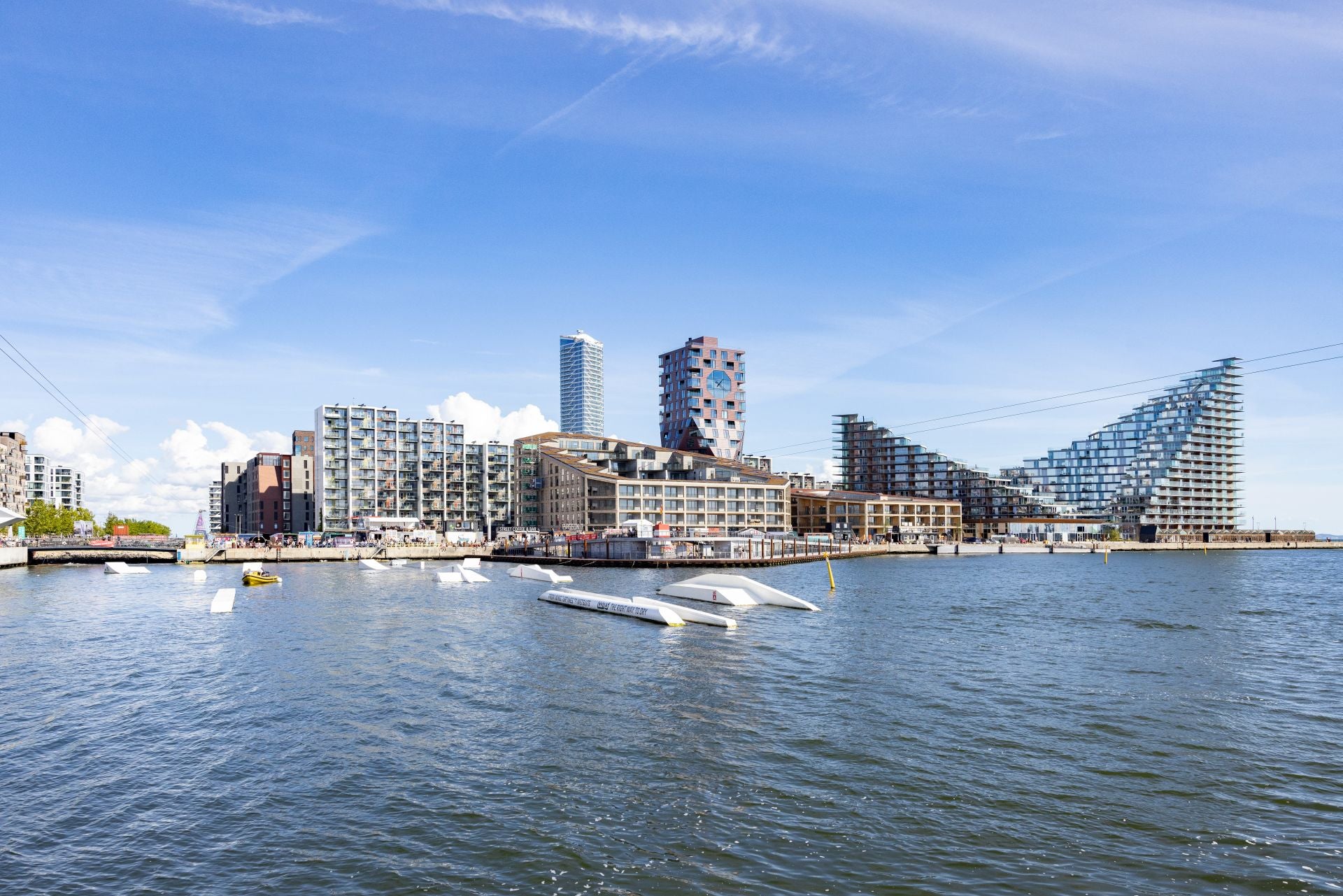
Aarhus Ø (east) feels like an entirely different world from Den Gamle By. Recently developed buildings line the harbour, including the crown jewel of the harbour and Denmark's tallest building: Aarhus lighthouse. The avant garde and environmentally-conscious design is reflective of Danish progression. Walk along the harbour itself for waterside cafes and bars, but for the best views, Udsigtspladsen looks out onto the harbour, framing the Baltic with futuristic buildings.
The Latin quarter is the city's oldest surviving neighbourhood. Records show the area sprung up in the 1400s and it remains one of the most charming. It's home to a range of global eateries (of course including Danish classics: open sandwiches and cosy hygge cafes full of pastries) as well as unique clothes and jewellery shops. East of Eden is a local attraction - an independent cinema screening international films.
Each quarter of the city has an entirely distinct vibe. But it's walkable and (in keeping with Danish culture) cyclable - so travelling between districts is no problem.
Out of the city into fresh air
A little further out of the city itself is a stunning coastline, reachable by bus. Head north up the coast to Bellevue beach to swim and relax. The picturesque coast is enclosed by forests and villas. Amble along the shoreline back towards the centre and stop off at one of the many 'Badehusets' to bathe and sauna through the Nordic cycle.
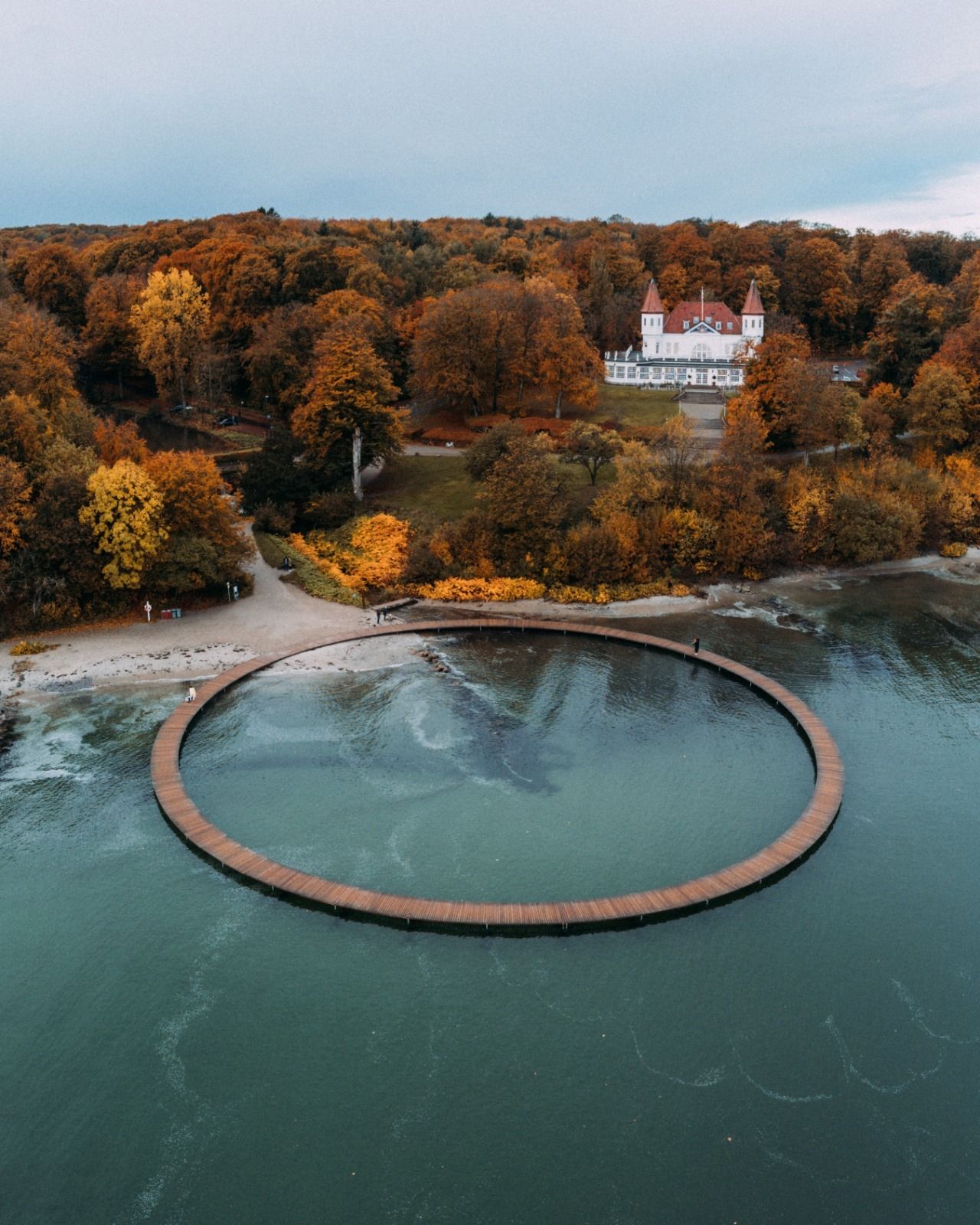
South of the city is another range of natural attractions. The Marselisborg deer park is a forest nature reserve home to free-roaming wild boar and deer. Just a short walk away lies the Varna Palæet - a historic palace now home to a fine-dining experience. The palace is nestled in the most scenic area, overlooking Marselisborg forest and Aarhus Bay. It also overlooks the Infinite Bridge - a circular walkway offering panoramic views of the water, shore and forest.
![[]](http://static.vocstatic.com/voc26/latest/assets/images/favicon/surinenglish/apple-touch-icon-57x57.png)