
29 June. International Mud Day
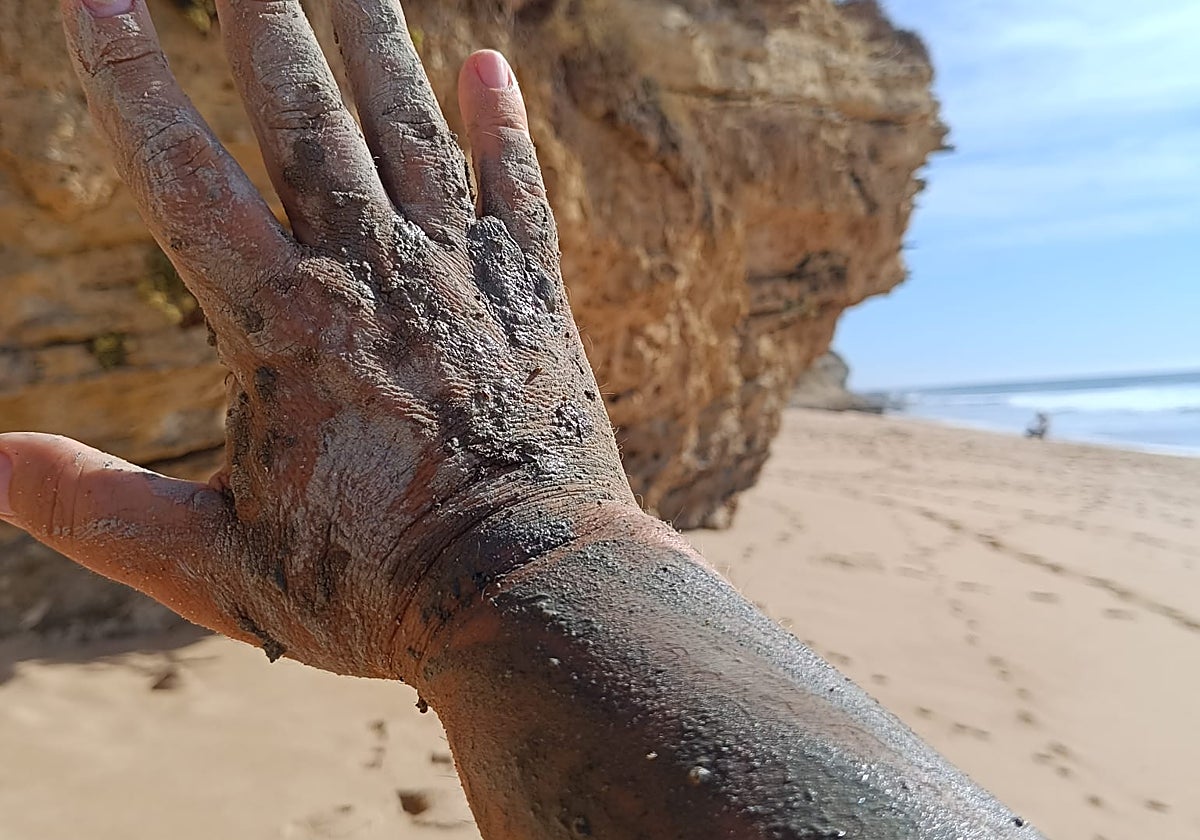
The proper way to celebrate Mud Day in the south of Spain
The little-known International Mud Day is celebrated on 29 June, highlighting the importance of mud for nature and human health
Alekk M. Saanders
Cadiz
Mud Day was established in 2009 in Belfast during the World Forum on Early Childhood Care and Education. Two members of the Nature Action Collaborative for Children - the Australian Gillian McAuliffe and Bishnu Bhatta from Nepal - discussed the challenges children face when playing in the mud in their respective countries.
This is how the idea of declaring 29 June as International Mud Day came about. Since then, this day has brought together people of all ages, races and religions, promoting contact with nature and a healthy lifestyle.
From Hippocrates to Cleopatra
Since ancient times, mud has helped to strengthen the immune system and enrich the body with minerals. Mud therapy, historically known as pelotherapy, has been used for millennia to detoxify the skin, relieve chronic inflammation and alleviate deep muscle and joint pain.
Hippocrates, regarded as the father of modern medicine, described the use of clay and mud wraps to restore the body’s fluid balance, reduce swelling and combat severe inflammation.
The Romans fitted out special mud chambers in their vast public baths. It is also known that Queen Cleopatra used the mineral-rich mud of the Dead Sea as her primary beauty and health treatment to maintain her skin’s elasticity and youthfulness. Mud compresses from the Nile were also regularly used to treat open wounds and remove physical impurities.
Is it possible to find healing mud in Andalucía? The answer is that there are mud spots, but they are quite far off the beaten track and very secluded. Information about ‘barro’ (mud in Spanish) is usually passed on by word of mouth. Incidentally, inverified legends also tell of its use by ancient peoples and nowadays by people who are eager to be closer to nature.
From Cadiz to Granada
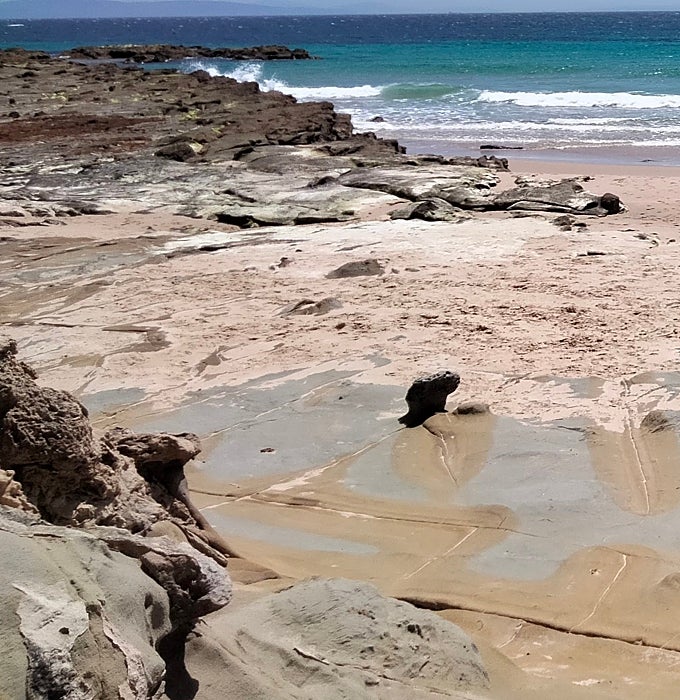
One of the routes leading to Andalucía’s therapeutic mud stretches westwards from the Costa del Sol. Tarifa is famous not only for its winds, but also for its blue mud. At the westernmost end of the famous Punta Paloma beach, you’ll find a natural mud spot.
Anyone wishing to do so can reach this cluster of slate-like stones after a walk along the picturesque coastline. The mud is mixed with seawater, and a therapeutic mud mask is prepared right on the beach. If you continue along the Costa de la Luz towards the provincial capital of Cadiz, you can find the mud not far from Cape Trafalgar.
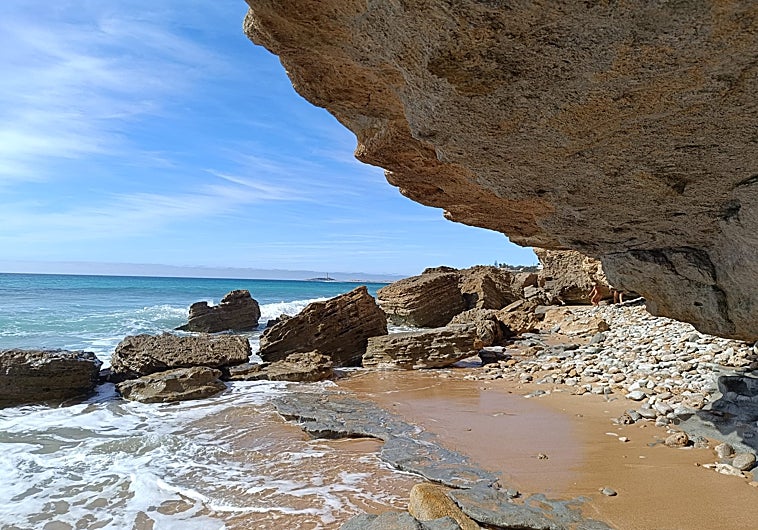
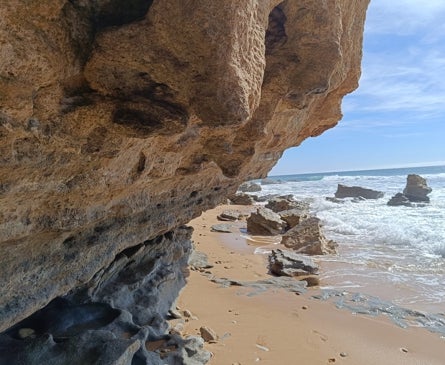
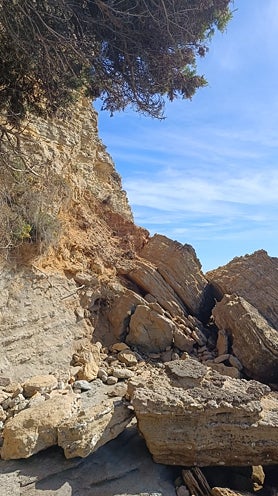
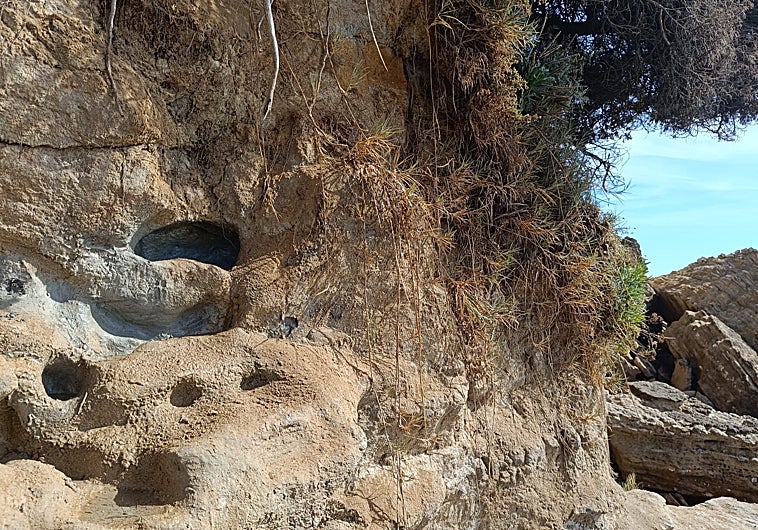
The naturist beach ‘Pequeña Lulu’ (Little Lulu) is situated in the village of Los Caños de Meca. The journey there also requires considerable effort and overcoming various obstacles. As a reward, however, you can apply the ‘miraculous’ mud to your skin. Bathers extract the mud directly from the rocks on the beach. After the treatment, the skin becomes soft and smooth.
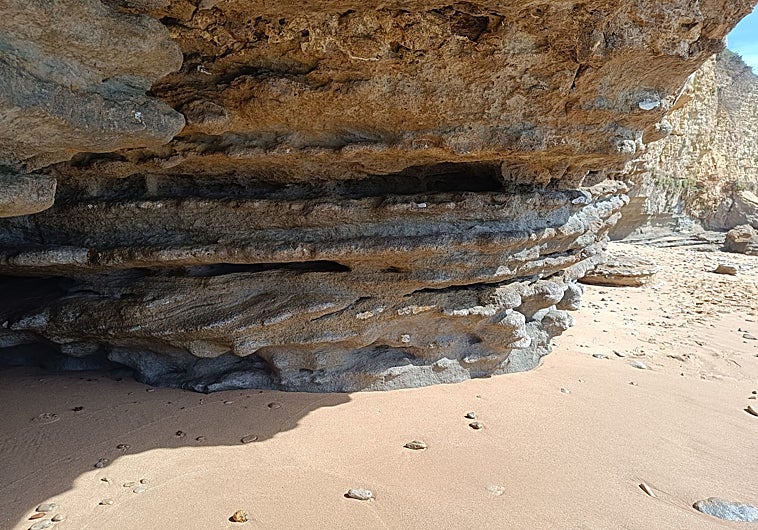
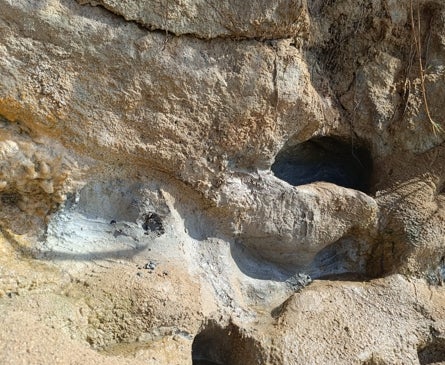
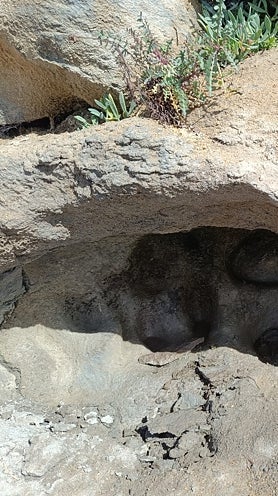
Another route to the mud baths runs north-east of the Costa del Sol. On the road from Malaga to Granada, you need to turn off towards Santa Fe. The thermal springs at Santa Fe feature several pools half a metre deep. The bottoms are covered with gravel, whilst the edges and banks are coated with a layer of clay that forms natural mud, which bathers often use for skin care.
Visitors apply it directly to their skin, let it dry in the sun, and then rinse it off in the natural pools, where the water temperature ranges from 36 to 40°C. The mineral-rich thermal mud of Santa Fe is believed to have a beneficial effect on the skin and is especially good for beauty treatments, particularly for exfoliation.
Incidentally, all the mud spas mentioned pale in comparison to San Pedro del Pinatar, located in Murcia. Here, less than an hour’s drive from the border with Andalucía, lies Europe’s largest free open-air mud spa.
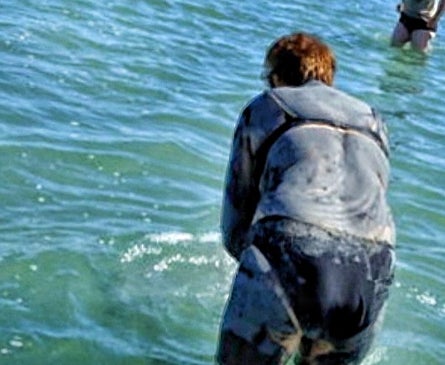
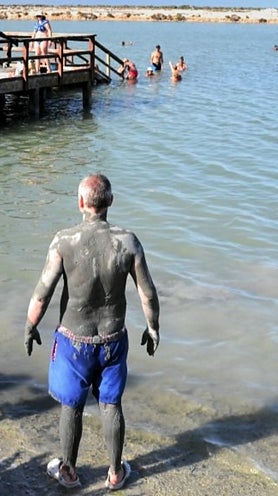
The unique climatic conditions in the Mar Menor and the surrounding salt flats have led to the formation of clay deposits containing a high percentage of positive ions, as well as magnesium, calcium, sodium, bromine, iodine and fluorine.
This mixture, which may not look particularly appealing at first glance, is believed to treat a wide range of ailments, including skin conditions, ulcers, abscesses, and acne.
![[]](http://static.vocstatic.com/voc26/latest/assets/images/favicon/surinenglish/apple-touch-icon-57x57.png)