
The Feria de San Bernabé (marks the official start of summer in Marbella)
The inland Marbellas
Marbella is traditionally associated with a luxury sea resort on the Costa del Sol. However, a trip to ‘Marbella’ can also mean a journey deep into the heart of Andalucia, to places where one can enjoy peace and quiet and get up close to ‘refreshing’ nature
Alekk M. Saanders
Cordoba
One of Andalucia’s most abundant springs is situated on the border between the provinces of Granada and Almería. The so-called ‘Ventana de Turón’ (Turón’s Window) allows the waters of the Sierra Nevada to flow between the slopes and gorges. It consists of an underground water basin covering an area of 42 square kilometres, which only comes to the surface at the springs known as Fuentes de Marbella. To stress again: these Marbella Springs are located a couple of hundred kilometres from the town of Marbella.
The Marbella Springs
It is believed that crystal-clear water fills the gorge, which was formed six million years ago as a result of the uplift of the Baetica mountain range. It is worth noting that the Marbella sources and the course of the Río Grande (known as the Adra in its final stretch) constitute a water source with a high salt content.
This riparian ecosystem is a refuge for a vast array of biodiversity, drawn by the water and climatic features of this refreshing zone
This riparian ecosystem is a refuge for a vast array of biodiversity, drawn by the water and climatic features of this unique refreshing zone, which locals covet as a summer retreat.
The sources are surrounded by lush greenery - groves of willows and poplars. In the shady areas of Marbella Springs, you can find purple widow’s tears and maidenhair ferns. The fartet (Aphanius iberus) belongs to the Spanish toothcarp and is one of the many native species. This small fish is found exclusively in the waters of the Iberian Peninsula and North Africa. In Andalucia, it is on the verge of extinction. The fish feeds on freshwater mollusks and small snails of various species thrive, some of which are less than two millimetres long. Incidentally, amphibians such as the southern tree frog, dragonflies, grasshoppers and water striders form a veritable army of biodiversity.
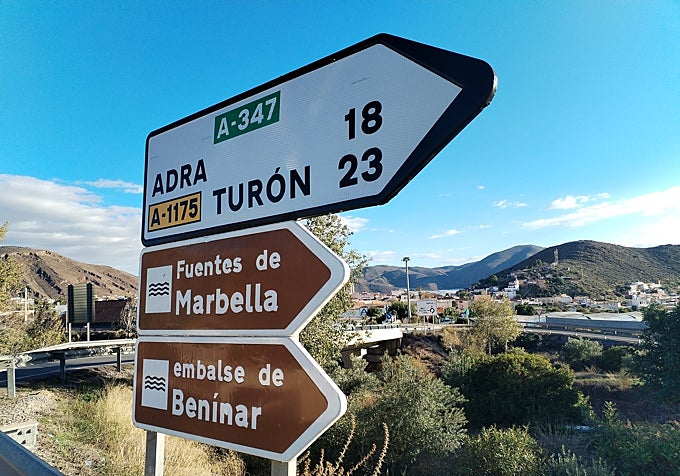
Ecologists consider Fuentes de Marbella a ‘cold island’ because this green zone has a constant temperature created by water flowing from the depths in semi-arid areas. Incidentally, this cool oasis has formed on the edge of the Las Tabernas desert. Unsurprisingly, the Marbella Springs are popularly known as the ‘gateway to the desert’, which can be easily found just 12 kilometres from the town of Adra on the road to Berja (it can also be reached from Ugíjar and Turón).
The Marbella River
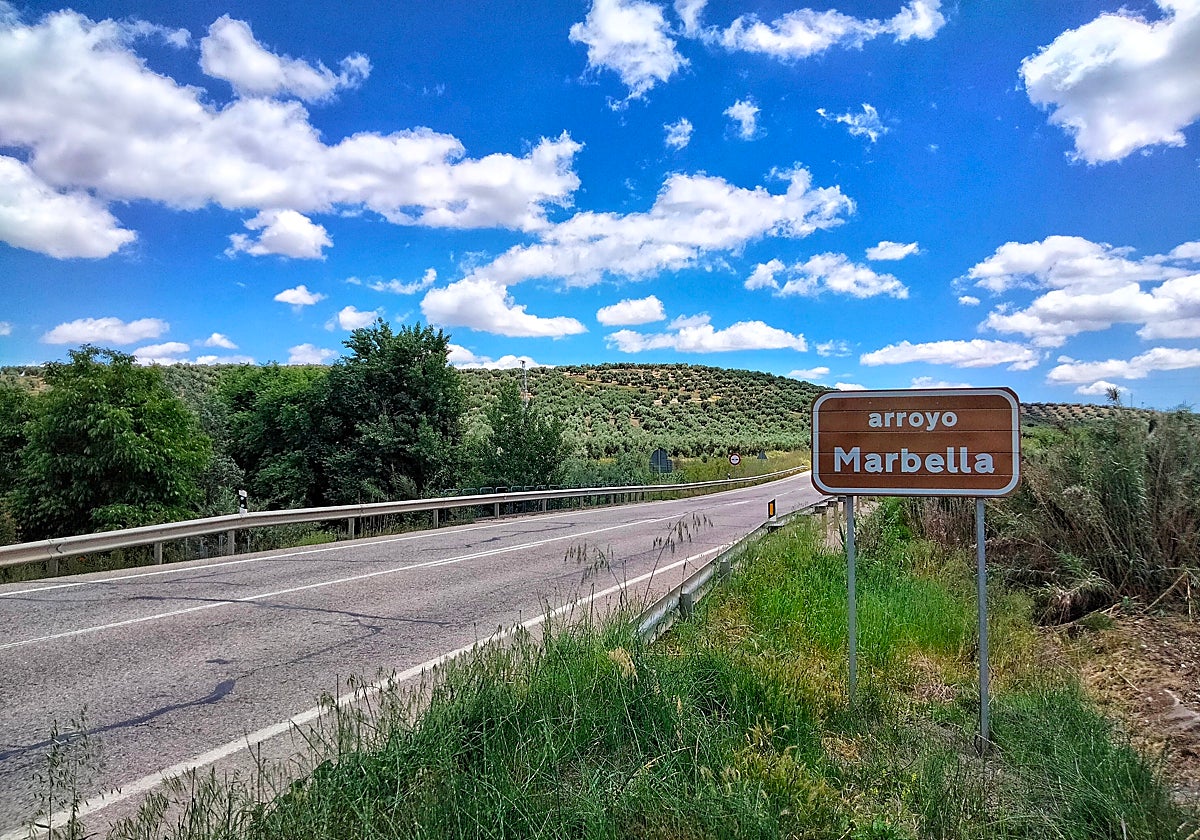
In Córdoba province, amidst forests and cultivated plains, flows a small river (arroyo) called Marbella. Over a length of 31.6 km, it passes through villages such as Luque, Zuheros and Baena. Approaching Castro del Río, the stream enters the larger Guadajoz River.
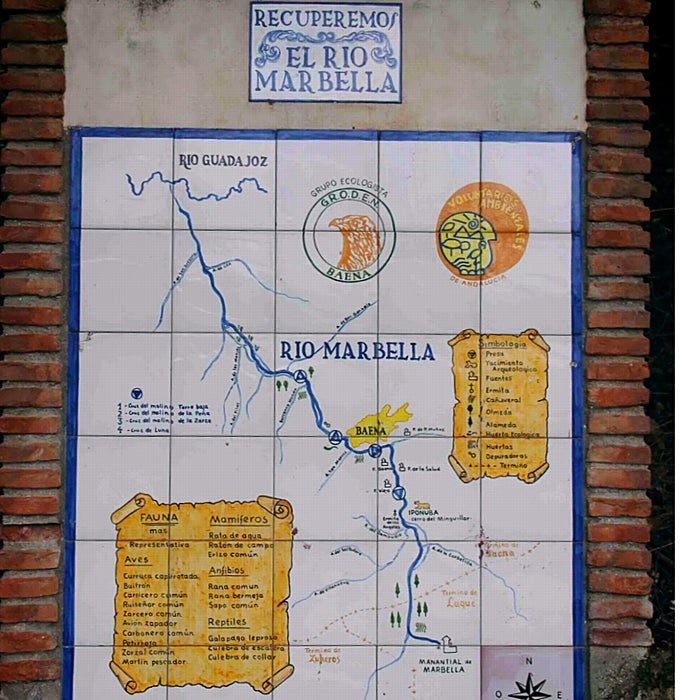
In the past, the Marbella was used to irrigate the surrounding orchards as well as it was used for industrial purposes, powering several water mills located in the area. Nowadays, it supplies water to Luque. It is worth noting that, as the Marbella flows through karst terrain, it does not carry water all year round, with the exception of the section where it is joined by a tributary from the well - Manantial de Marbella. However, during this rainy winter, the Marbella River burst its banks, leading to the evacuation of several homes in Baena.
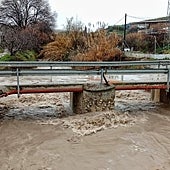
The Marbella does not carry water all year round, but during this rainy winter, the small river burst its banks
The Marbella Well
The Marbella Well is one of the most abundant and significant springs in the Subbetic Mountains. It is worth noting that the aquifer from which its waters originate consists of a thick layer of karst limestones and dolomites from the Lower Jurassic period, situated on a Triassic clay base rich in gypsum and salts. The water is of the bicarbonate-calcium type, with a high concentration of calcium and magnesium.
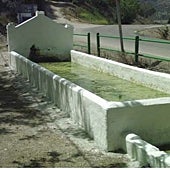
The Marbella Well features a triangular pediment framed by two pilasters
The Marbella Well features a triangular pediment framed by two pilasters. A small water outlet flows into a square basin 70 cm deep. There is a circular recess to make it easier to place a vessel when filling it with drinking water. Stopping off at ‘Marbella’ to rest in the shade and quench your thirst from a cool, mineral-rich spring... what more could you want on a hot summer’s day?
![[]](http://static.vocstatic.com/voc26/latest/assets/images/favicon/surinenglish/apple-touch-icon-57x57.png)