
Tradition
The 12 days of Christmas? More like a month of celebrations
For many the double public holiday at the start of December marks the beginning of the festive season in Spain
Jennie Rhodes
Spain celebrates Christmas with a blend of deep-rooted Catholic culture and family centred festivities, with local customs that vary depending on the region and even the province. While some towns switch on their Christmas lights as early as mid-November, such as Torrox, the two public holidays (Constitution Day on the sixth and Feast of the Immaculate Conception on the eighth) signal the start of the festive season for many.
Festivities then stretch into the New Year ending with Día de los Reyes on 6 January, when gifts are given. While international influences have grown in recent decades, for example children receiving presents from Father Christmas on 25 December, there are still many Spanish traditions. Here's a look at some of them.
Belén
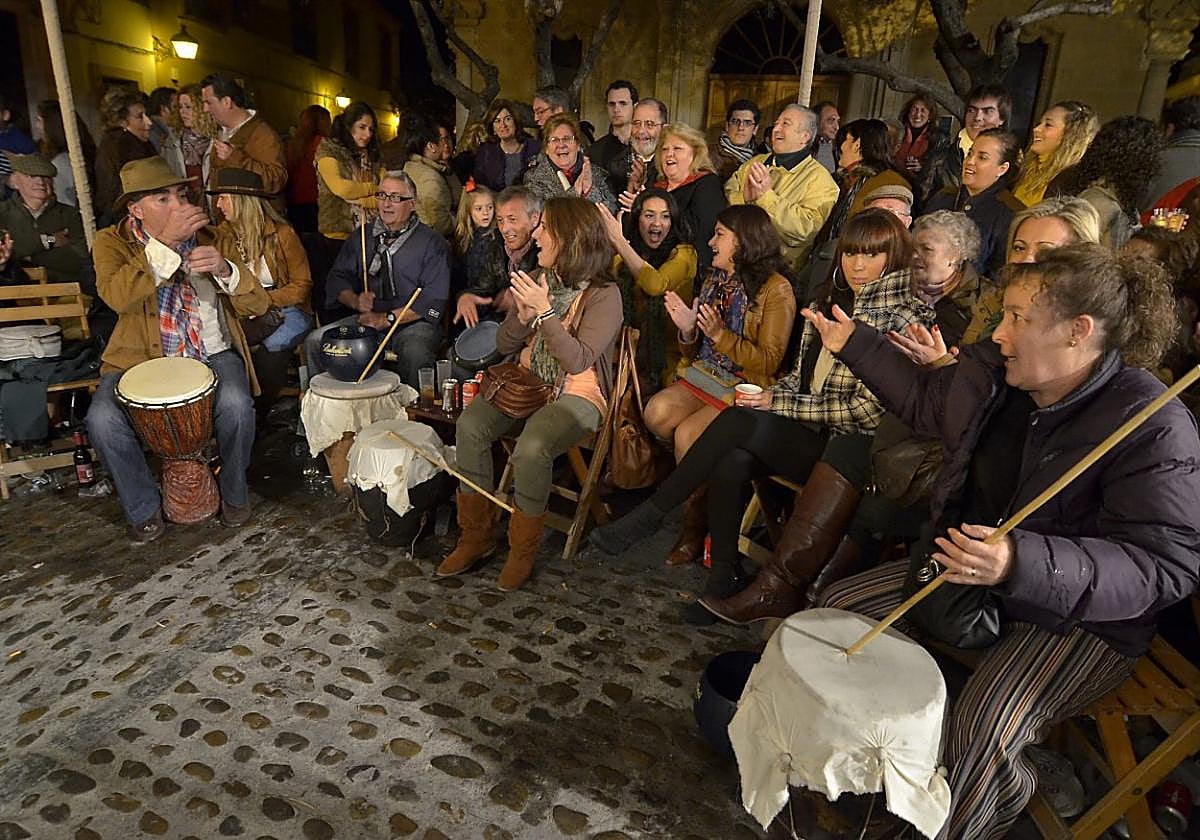
The Zambombás de Jerez were given Intangible Cultural Heritage status in 2015
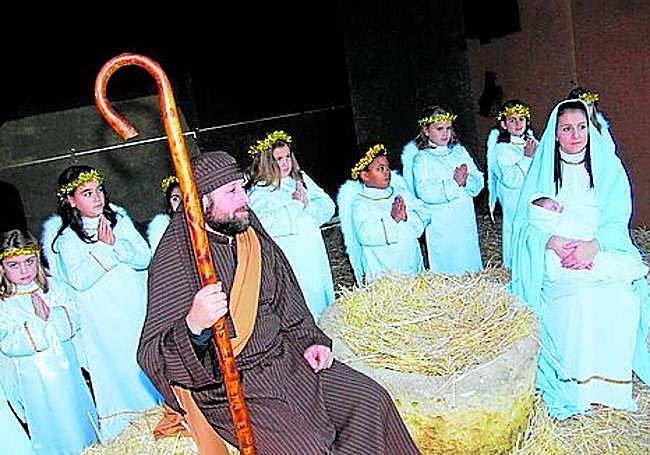
The Nativity scene - el belén - remains at the heart of the decorations in homes and public places. From simple, homemade sets to elaborate municipal displays with miniatures of Malaga landmarks or Andalusian rural life, belenes are lovingly assembled and many families add a new figure each year to keep the tradition alive. Some towns and villages in Malaga province, including Almayate (Vélez-Málaga), hold performances of 'belenes vivientes'; live nativity scenes with locals acting out the story.
El Gordo
On 22 December Spain is glued to the television or the radio with fingers crossed hoping to win 'El Gordo', the jackpot in the country's largest lottery draw. The children of Madrid's San Ildefonso school sing the winning numbers as they are read out. Friends and families normally share a 'décimo'; a ticket with the same number to share winnings.
Zambombá and pastorales
A zambombá is a festive Andalusian gathering where people come together to sing villancicos (Christmas carols). Its name comes from the zambomba, a traditional friction drum which has a material cover and a stick to make the sound. It is played across Andalucía but is considered to hail from Jerez, where in 2015 the Zambombas de Jerez were declared Intangible Cultural Heritage by the Andalusian regional government.
The term 'pastorales' refers to a Christmas musical tradition, especially in Malaga province, which combines carols, popular music, percussion and coplas. People from rural communities especially get together to sing and dance and have a break from the routine of agricultural life.
Nochebuena: family and food
24 December, Nochebuena, is the most important meal of Christmas in Spain, when all the family gets together to share an evening meal typically featuring seafood, meat, seafood soup and traditional sweets. After the meal, some families may attend La Misa del Gallo (the Rooster's Mass, more commonly known in English-speaking countries as Midnight Mass).
25 December, el Día de Navidad, is typically quieter with family visits and lunch - often the leftovers from the previous evening. Children may receive small presents, especially as international customs such as Father Christmas become more popular.
Turrón and mantecados
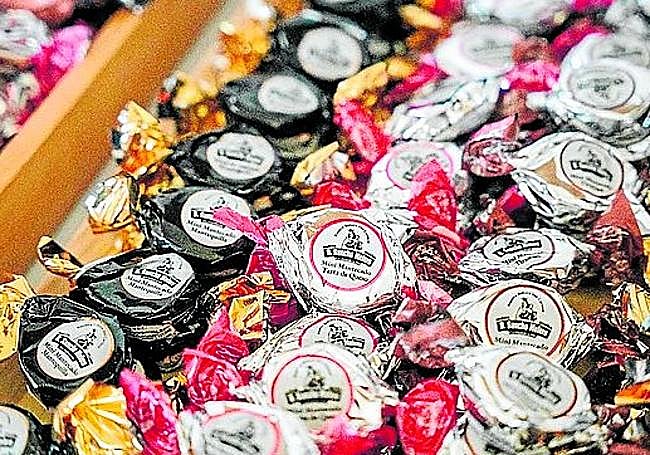
Spanish Christmas flavours are unmistakable: Turrón, the famous almond nougat, comes in dozens of varieties - from hard Alicante-style to the soft, creamy Jijona version. In Caleta de Vélez, Pastelería Ramos cake shop has become well known in the last decade for its original creations with local flavours including Malaga wine, avocado and mango.
Supermarkets are also filled with polvorones and mantecados, crumbly shortbread-style biscuits which come in different flavours. In Malaga, borrachuelos (anise-flavoured pastries), roscos de vino and pan de higo (fig bread) are also eaten. Estepa in Seville province is known worldwide as the town where polvorones and mantecados are made, while Antequera in Malaga province is also synonymous with the sweet treats as it is home to well-known companies like Sancho Melero.
Nochevieja: 12 lucky grapes
Families gather again on 31 December to celebrate Nochevieja (literally 'the old night') as Spain welcomes the new year with one of its most famous customs: the twelve lucky grapes, eaten in sync with the twelve chimes of the clock at midnight. This tradition, said to bring good luck for the year to come, is broadcast live from Madrid's Puerta del Sol.
Three Kings
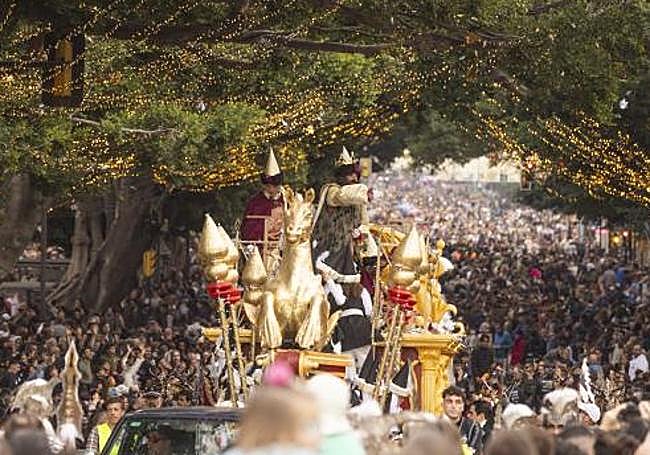
The end of the festive season is 6 January - Epiphany, or Día de los Reyes Magos (Three Kings' Day). On the evening of 5 January, towns and cities stage 'cabalgatas', parades where the Three Kings throw sweets to the crowd from giant, decorated floats. It is traditional to leave something out for the kings and their camels to eat, in the same way that children in English-speaking countries leave mince pies and sherry for Father Christmas and a carrot for the reindeer.
The next morning, children wake to find that the Kings have left gifts, traditionally in a shoe instead of a stocking. Then the Roscón de Reyes, a ring-shaped brioche, is eaten and hidden inside are a small figurine and a dried bean: finding the figurine crowns you 'king' for the day, while the unlucky bean-finder pays for the cake.
![[]](http://static.vocstatic.com/voc26/latest/assets/images/favicon/surinenglish/apple-touch-icon-57x57.png)