
Society
Malaga bookshop joins campaign to donate books to women in prison
Rayuela is, for the first time, taking part in the 'A las olvidadas' programme, which collects books for female prisoners in the Balearic Islands

What book would you give to a woman in prison? The question seems simple, but… What should you choose for someone you don't know? ... What should you write on the first page? Why even give a gift to someone who has committed a crime?
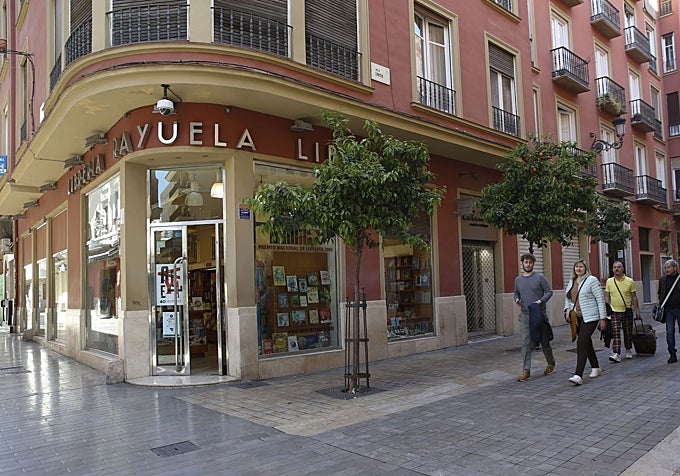
The 'A las olvidadas' ('To the forgotten') initiative of the Teta y Teta association aims to answer these questions. Legendary bookshop Rayuela in the centre of Malaga is taking part in this campaign for the first time as a collection point.
Until now, anyone wishing to contribute from the city would send their copies directly to Madrid. The creation of a network of bookshops in various Spanish cities makes deliveries easier, reduces postage costs and avoids the environmental impact of thousands of individual parcels. Now in its 14th year, the campaign is dedicated to women in prisons across the Balearic Islands.
Rayuela, as manager Noelia Clavero says, has joined the initiative on a voluntary basis. The bookshop has so far received around 20 books, all different and, in almost every case, with a dedication. The response has led the organisers to extend the collection period.
A wide variety of titles appear in the collection: My Tender Matador by Pedro Lemebel; Another Beauty by Polish poet Adam Zagajewski; Dark Side of Love by Rafik Schami; Todo lo que hice por dinero by Violeta Niebla; 1Q84 by Haruki Murakami; and Cortarse el cabello by Rosario Villajos. These are books that each person has chosen for themselves and which they present with a dedication to the woman who will receive them.
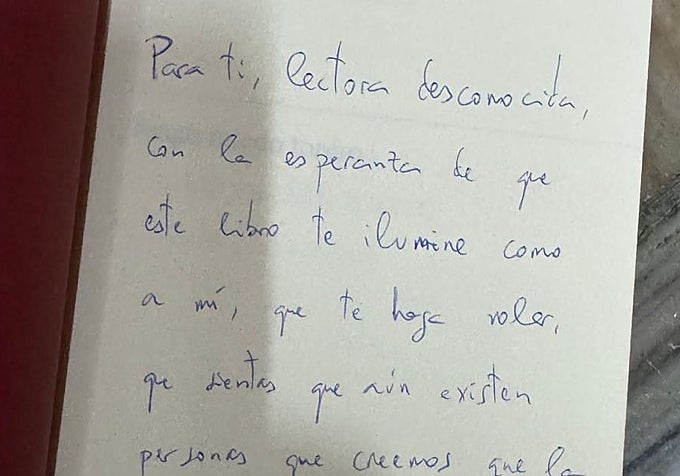
On one of the opening pages, a dedication dated in Malaga wishes the book's future reader that it may enlighten her, make her laugh and remind her that life can be improved by small gestures.
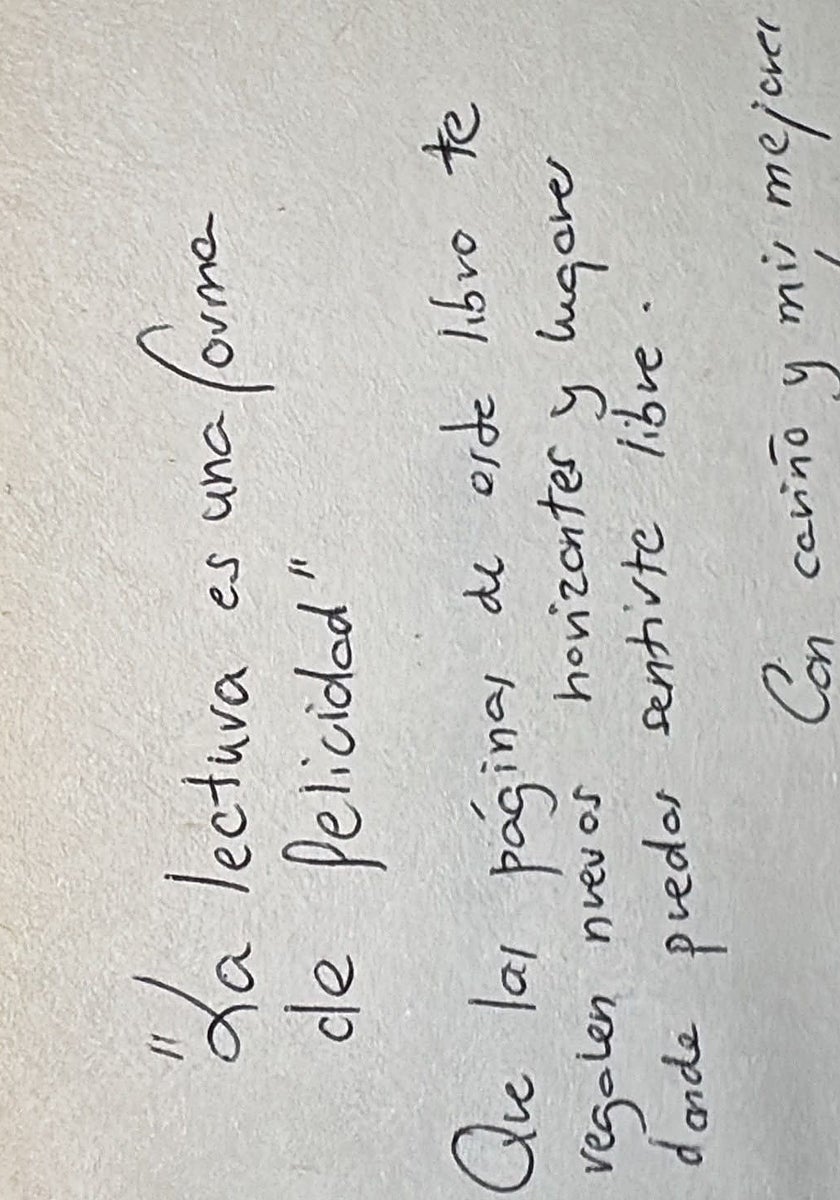
Another contains a simple idea: "Reading is a form of happiness." It goes on to express the hope that the pages will open up new horizons and places where she can feel free. The writer does not know who will read those words, nor does the recipient know who has chosen the book.
Beyond the crime
The uncomfortable question the campaign raises concerns the image that society constructs of women serving prison sentences. Clavero explains that they found it an interesting "and lovely" initiative, given the particular situation of women in prison.
"Some people might wonder why we would give a book to a woman who has committed a crime," she says. In her view, it is worth taking a moment to consider these women's circumstances before dismissing them simply because they are serving a prison sentence.
Because the initiative does not seek to erase individual responsibility or dispute the consequences of crimes, it simply invites us to take a broader view and understand that a conviction describes a legal situation but does not sum up a person's story.
"A conviction should not prevent someone from receiving a book, finding a story that interests them or feeling that someone else has thought of them."
The data accompanying the campaign helps to explain why the organisation is focusing on this group. Women account for approximately seven per cent of the Spanish prison population.
Of the 65 prisons the campaign's data covers, only three are exclusively for women. The majority of women serve their sentences in wings located within men's prisons. This minority status has consequences for their daily lives and for the organisation of spaces, resources and activities.
The campaign also draws attention to the social circumstances that characterise the life stories of many of these female prisoners. According to data published by 'A las olvidadas', theft is the most common category of offence among those included in its classification, accounting for 70.72 per cent. The organisation also highlights that 80 per cent of women in prison are mothers and that a very high proportion have suffered gender-based violence.
The initiative began with a question posted on social media: what book would you give to a woman in prison? The initial response exceeded the organisers' expectations and turned a one-off initiative into an ongoing project. According to the charity, it has so far delivered more than 12,000 books to women in 23 prisons.
The campaign stresses that this is not about collecting books by weight or clearing out bookshelves at home. Prisons already have libraries, although their collections and how frequently they are updated vary.
The books donated as part of this initiative are intended as personal gifts for the women who receive them. That is why the organisation asks for books in good condition, preferably published within the last 20 years, and donors are encouraged to choose contemporary titles, feminist works, erotic literature and books in other languages.
The dedication is an essential part of the campaign. At Rayuela, the initiative has been "well" received and the bookshop staff hope to build on this in the coming days.
Rayuela, with a history stretching back more than four decades, is joining an initiative that enables readers to share books with women serving prison sentences who are otherwise unlikely to receive a gift from someone they do not know.
