Phoenicians, the first foreigners to settle on the Costa del Sol
An investigation shows that the arrival of the Middle-Eastern traders and settlers encouraged the native population to move to live on the beachfront in Malaga bay

The similarity is historical, or rather archaeological. All those foreign visitors who have been arriving on the Costa del Sol since the middle of the 20th century in search of sun, sea and sand have their antecedents in the Phoenicians, who were the first 'tourists' on this stretch of coast.
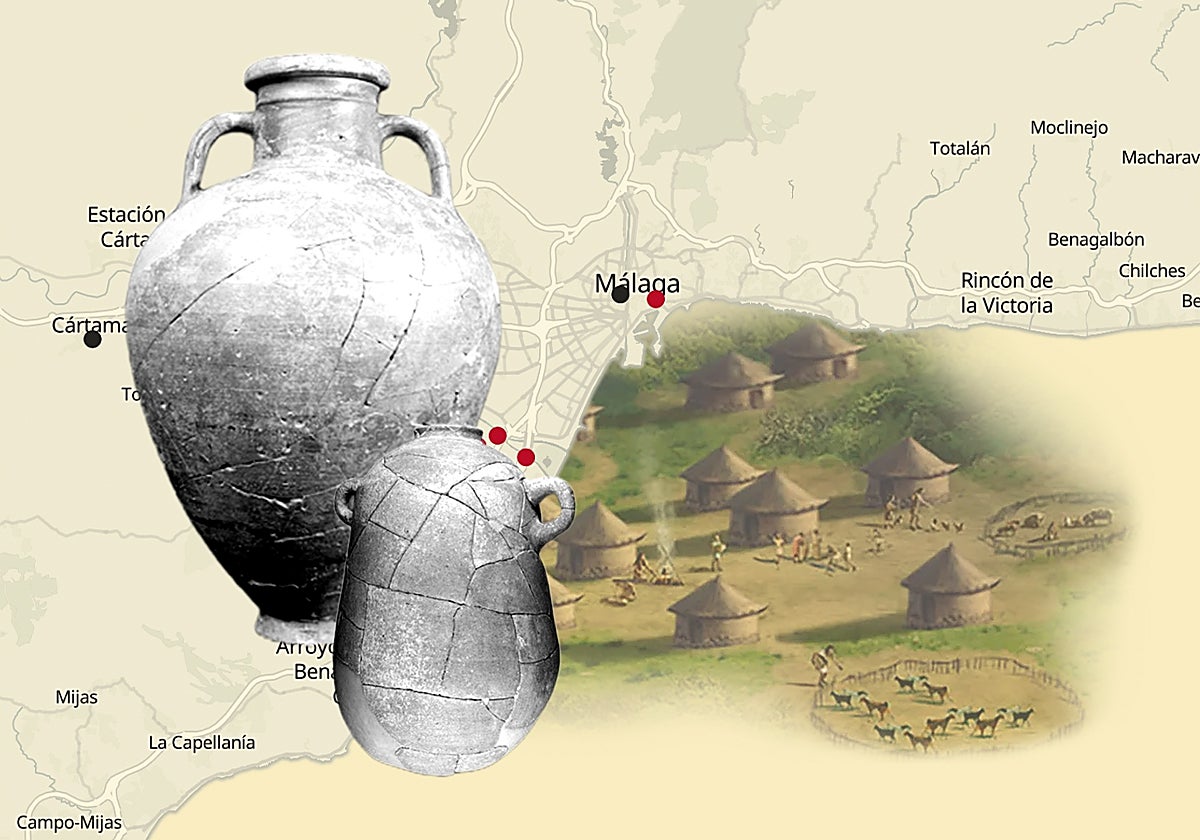
However they did not come to rest in the sun but to trade and, as foreigners do now, to stay and live. The first place they settled in the bay of Malaga was La Rebanadilla, the oldest settlement in the Iberian Peninsula along with Huelva. According to the latest research using carbon-14, it dates back to the end of the 10th century BC, which caused the native populations, who were more interested in livestock and agriculture than in maritime resources, to move closer to the coast. Experts have called this phenomenon a "pull factor" that would lead to the origin of the present-day city of Malaga.
Before the settlement of the Phoenicians on the Malaga coast, the locals lived inland, but from the end of the 10th century BC onwards, when the eastern colonists settled in La Rebanadilla, those indigenous groups came into direct contact with the Phoenicians," explains Bartolomé Mora, Professor of Archaeology at the University of Malaga. Mora and his colleagues José L. Caro and José Suárez - director of the Cerro del Villar site - asked themselves the question: When the Phoenicians arrived, were there indigenous settlements on the coast?
The answer is in a study of the chronology and timeframe of the early Iron Age in Malaga bay, which has been published in the latest issue of the prehistory and archaeology journal Spal and which, using new carbon-14 dating of remains from Phoenician and indigenous areas as a basis, has confirmed that the move down to the coast by the natives took place after the arrival of the settlers from the Middle East.
Zoom
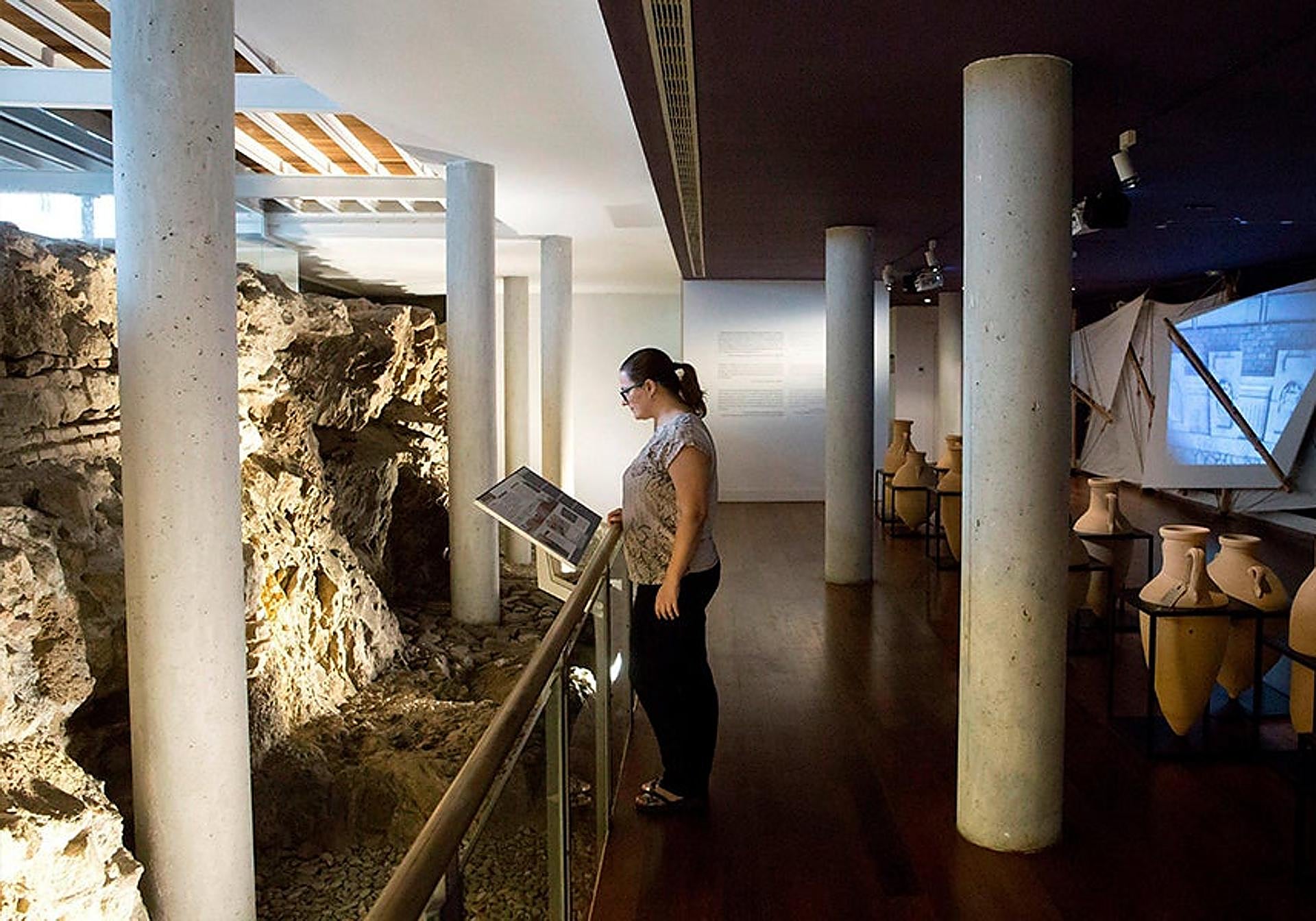
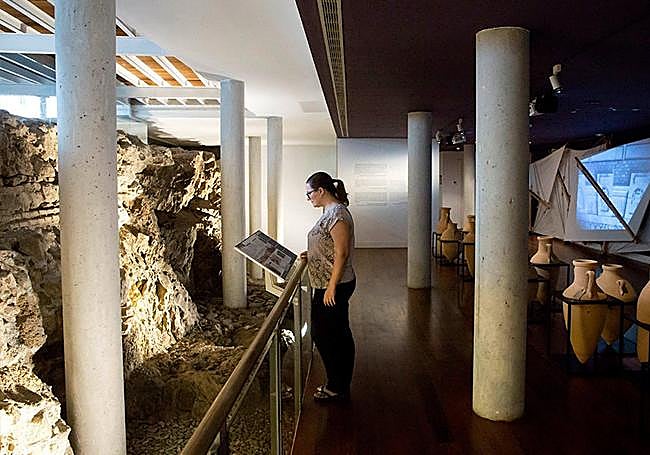
Carbon-14 research has confirmed the "pull effect" the arrival of the hoenicians had on the native population
Unlike Huelva, where the Phoenicians made contact with settlements that were already organised near the shore, Malaga had its own different dynamics in this archaic Phoenician period.
"The earliest dates of the indigenous habitat of San Pablo - in the modern-day neighbourhood of La Trinidad - are similar to those of the sanctuary of La Rebanadilla created by the Phoenicians in the coastal area," explains archaeologist José Suárez. In other words, those from the Middle East settled at the mouth of the Guadalhorce river - where the second runway of Malaga Airport is - while the settlement of people already living in Iberia was by the Guadalmedina river. This settlement disappeared at the end of the 8th century BC.
Way in
"I like to think about the coincidence that most of the people arriving in Malaga today do so through the airport, whose runway is located precisely in La Rebanadilla. It is curious that the main entrance for foreigners is still through the same place where the first inhabitants who came from abroad settled," Suárez points out.
Only that space did not look like an airstrip, but rather like an island at which to dock, since at that time that same area was an islet in the mouth of the Guadalhorce, now clogged, and about eight kilometres from the current shore.
Subsequently, the Phoenicians sought new territory in the vicinity to develop even closer to the sea, and that place was Cerro del Villar, in the same estuary of the river and with very specific conditions.
Zoom
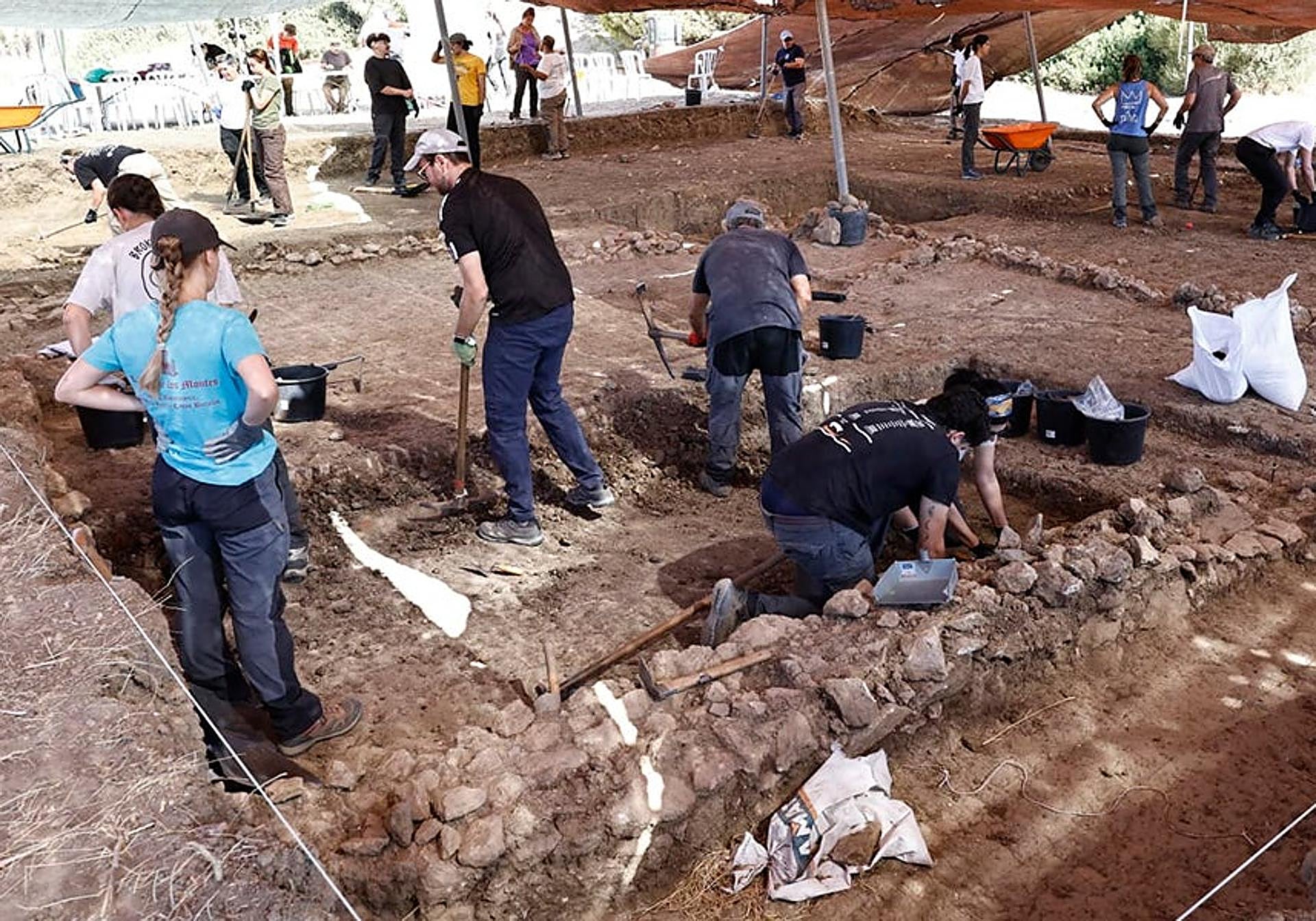
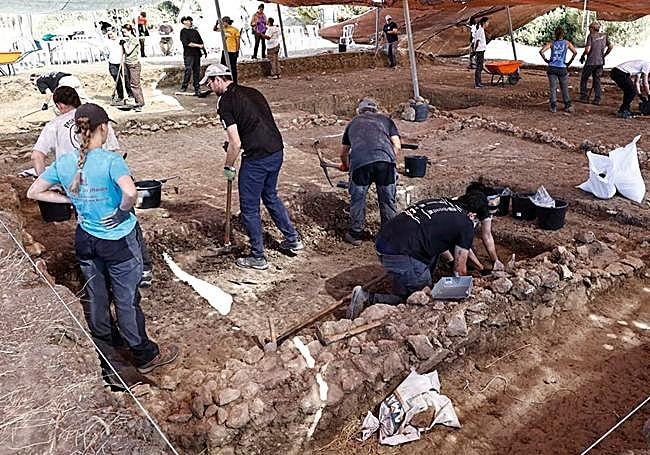
The study has put back the dates of the settlement of La Rebanadilla by the Phoenicians to the end of the 10th century BC
"We found that the local population joined the new project of the Phoenician community, an ambitious space with eastern urban planning and organisation, but which integrated the local people," says the archaeologist, who continues with the chronology and adds that the predominant settlement in the bay of Malaga in the 7th century BC is the new island of Cerro del Villar.
In that century, there is also evidence of a Phoenician sanctuary in Calle Císter (near Malaga Cathedral), "but this Guadalmedina area is a secondary space", he clarifies.
The chronological map, linked to the latest excavations at the mouth of the Guadalhorce, changed again in the 6th century BC when the flooding problems of the Phoenician colony led to the transfer of the main nucleus to the Guadalmedina and Malaka, leaving the old island as a subsidiary industrial area of the new emerging central settlement in what is now the old town of the city.
Carbon testing
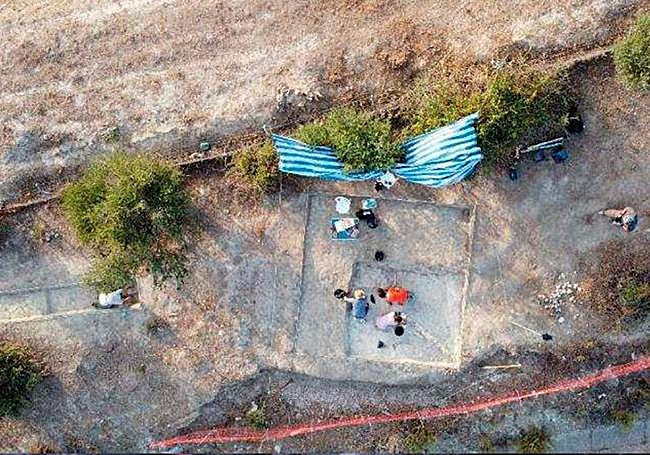
The innovative results of this research are linked to the use of radiocarbon tests, a system that is gaining ground and being applied to timelines that until now were obtained through the traditional study of ceramics. Thus, this technique for measuring the age of organic materials uses as a base material remains obtained from seeds, bones, spines, coals and even shells from archaeological sites.
We could say that radiocarbon is a 'clock' hidden in living beings that allows us to know approximately the time of their death," explain the researchers of this study, now applied to the settlements located around the bay of Malaga.
Zoom
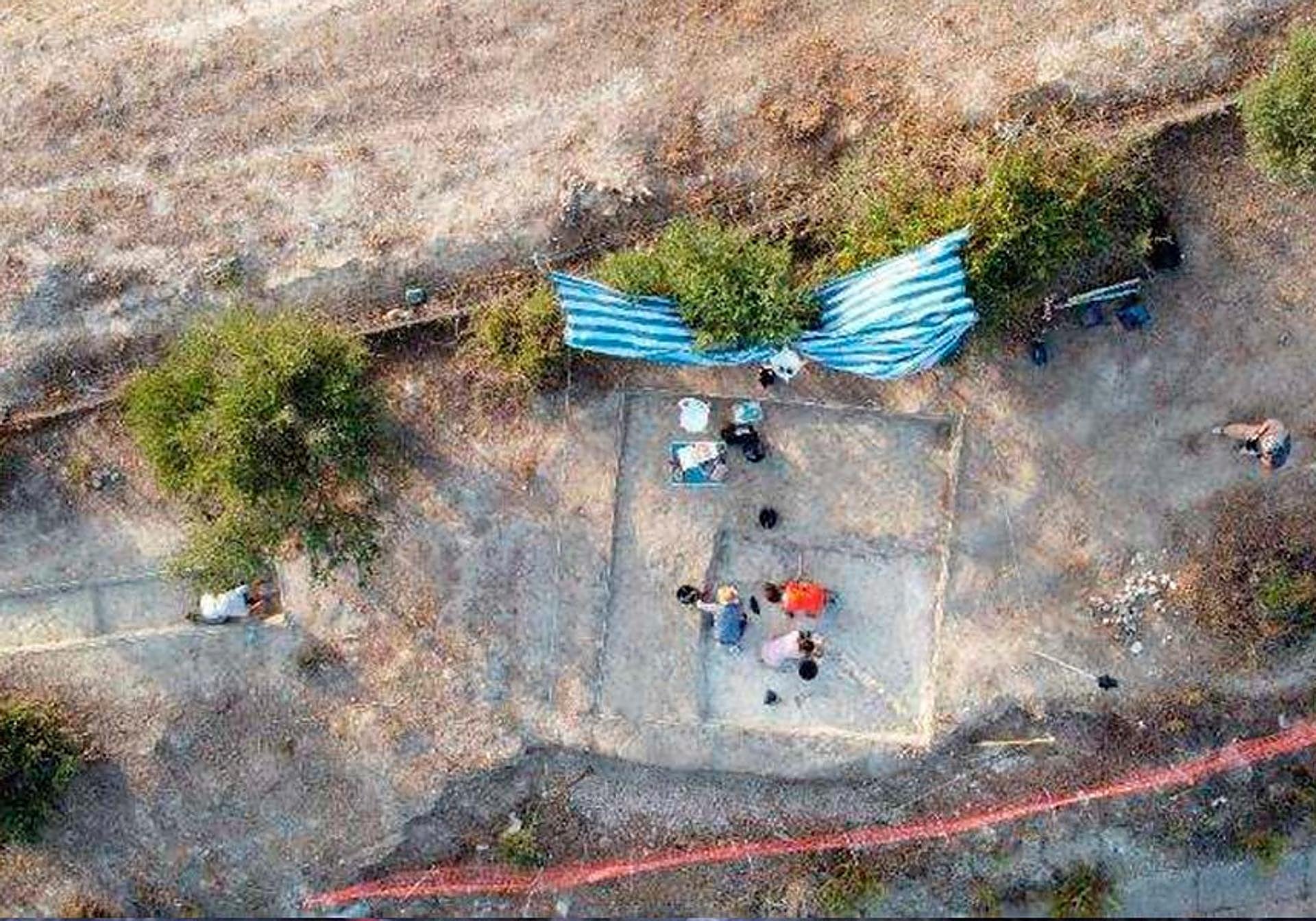
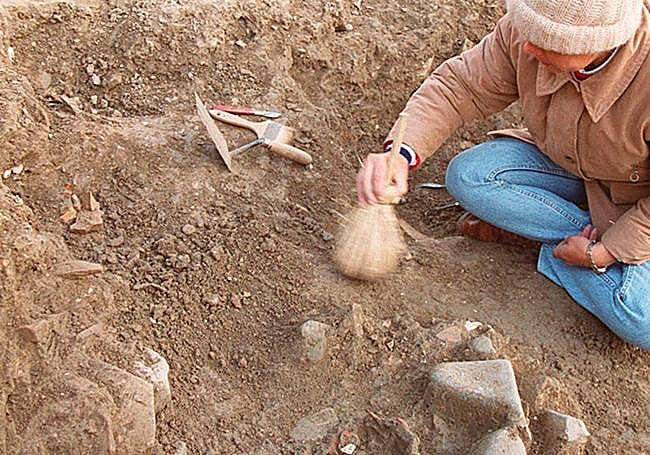
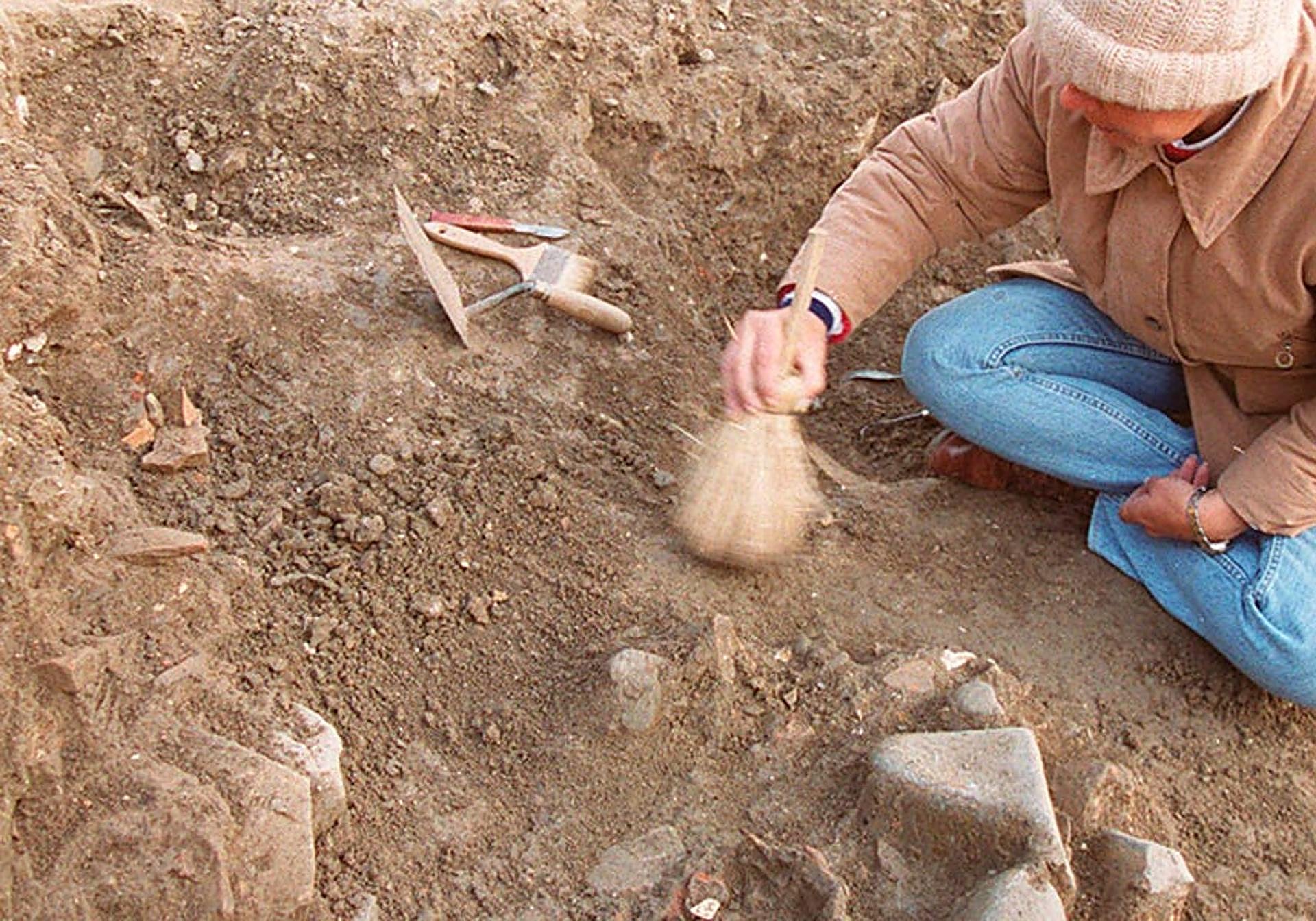
The basis of these tests is that humans, animals and plants absorb a carbon isotope called carbon-14, which is slightly radioactive, during their lifetime. In the case of living beings, this isotope is stored in their bones, but when they die, this absorption stops, so from that moment on, it acts as a natural clock that allows the dating of archaeological finds with organic remains to be known.
As part of R&D projects, research using radiocarbon methodology has brought to light the population trends in the bay of Malaga in the Late Bronze Age, while refining the earliest chronology, which places the use of La Rebanadilla by the Phoenicians at the end of the 10th century BC, a divergence of several decades with respect to the mid-9th century BC suggested by the ceramics.
Zoom
"The arrival of the Phoenicians and their settlement by the sea is what we have called the 'pull effect', as it caused the areas of population inland to move closer and closer to the coast," says Professor Bartolomé Mora, who uses the metaphor of the big screen and recalls Westerns to illustrate this phenomenon.
"The best example is the fort in those films, around which the tents of the Indians with whom they traded and worked were set up," concludes the archaeologist and film buff.
¿Tienes una suscripción? Inicia sesión