
SUR Interview
Spanish psychologist Carlos Barea unpacks the dangers of social media
He advocates for regulations similar to those concerning alcohol and tobacco
Matías Stuber
Social media is vast and contradictory. It's brilliant and vile. Dangerous and entertaining. Banal and political. Perhaps one of the greatest collective creative achievements in human history. Possibly a threat to democracy and the mental health of the population. A brain-shaper, especially for young people who no longer know a world without phones.
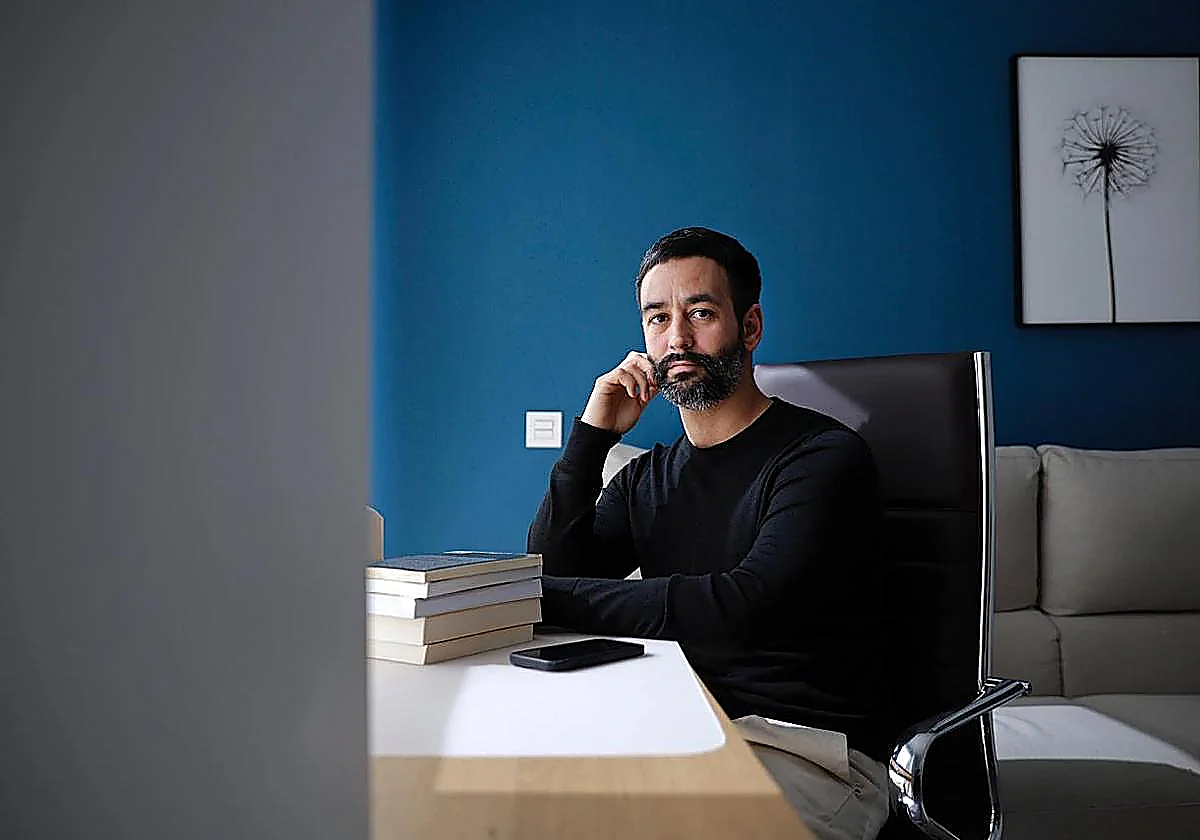
The following is a conversation with psychologist Carlos Barea (Cadiz, 1986). In his office in Malaga's Teatinos district, he observes almost daily the consequences of unsupervised and unregulated social media use.
We drew the following conclusion after an hour-long conversation with him: social media is like a whole world but by no means is it a perfect one. What begins as a form of entertainment, especially among teenagers, can lead to catastrophic behaviours.
There is a generation that no longer knows a life without a mobile phone. What are the consequences of this?
Technology has conquered us and we're trying to learn how to use it. We're seeing the consequences in the first generations who grew up with smartphones. Millennials were able to go out with very little supervision. Children who have grown up with phones, by contrast, have been closely supervised in the real world, but have had almost no supervision online. There's also a clear gender divide. Girls and women have been more affected by pressure to conform to certain beauty standards or life expectations. For boys and men, it's more about their reward systems being overstimulated by pornography and video games. We're seeing many men who prefer watching porn and masturbating to having real-life sex.
Why can one spend hours on social media without realising how time passes?
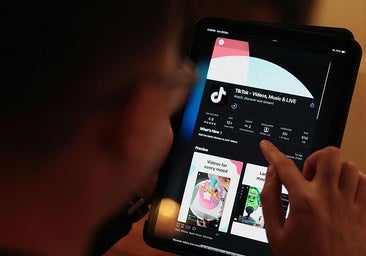
Because it offers a kind of stimulation that closely matches how the mind processes its own thoughts. So it slips very easily into our nervous system. Platforms have also evolved a lot in this sense and they copy each other. At first, attention was more saccadic, like reading or like a pendulum in hypnosis. When Instagram stories appeared, content came at you from the side. Then they realised that scrolling down is far more powerful as it's a simpler gesture. Watching someone else do pleasurable things is much easier than doing them yourself. The reward system gets reinforced indirectly.
Related story
It often feels like we scroll without any real reason.
That's because it's a behavioural addiction, which are the most complex types of addiction. When I ask patients who want to quit smoking when they usually smoke, they say things like at the bus stop or while waiting for a friend. They find it strange to just do nothing. The same applies to phones.
After watching endless videos, though, people often feel uneasy. Why?
It's like watching other people enjoy themselves. At first there's a kind of indirect pleasure, but after mentally tiring yourself with this almost hypnotic task of watching others, you end up feeling drained for having done nothing. Then social comparison kicks in: you're watching Instagram instead of being on Instagram. That makes you feel bad.
On TikTok and Instagram everything looks perfect - skin, faces, bodies. How does that affect us?
It distorts one's perception of reality. If most of the information they get about the world comes from lying in bed scrolling, then when they meet real people who don't look like that, they start asking themselves questions - questions that are hard to answer. You might see a photo of a very muscular person, but they may have dehydrated themselves for three days to take that picture. A 16-year-old growing up on social media doesn't know that. Someone has to explain it to them.
How can that distortion be tackled?
Through specific education. If no one explains that people on social media are trying to make a living or create an impact, young people won't realise it on their own, because for them this is reality.
If you watch one video on a topic, the algorithm floods you with more. Can we talk about a kind of digital monoculture?
It's one of the most dangerous effects. If you fall into what we call algorithmic "rabbit holes", like in Alice in Wonderland, you end up in an echo chamber. Nowadays, someone can be radicalised in hours, it doesn't take months or years. The key is understanding how algorithms work: they're like networks of connected points, constantly taking shortcuts to predict you.
Are they trying to keep our attention and stop us putting the phone down?
That's their business model. You can interpret it however you like, but the system learns from you and tries to make you use it more. We see the same with AI tools - if you pay for them, you can spend hours chatting.
Are young people losing social skills because of phones? Simple things like conversation or eye contact?
Of course they are. It's much easier to send a message or react with a heart to a story. Nowadays, someone who dares to talk to a stranger in the street stands out, because it's so rare.
Do social media harm mental health?
Without a doubt. The way we've used social media so far has harmed all of us. There are people we've stopped calling just because they don't have WhatsApp, because it's easier to message someone you've just met than to phone your elderly aunt who lives alone.
Australia has banned social media for teenagers and the debate is spreading across Europe. Should it be regulated?
Absolutely. As I said before, technology has conquered us. Now we need to learn how to use it properly and understand how it can harm us. In the past, children drank alcohol or had their dummies dipped in spirits. Rules changed once we realised the risks. The same applies here: when there's evidence that something causes harm, it has to be regulated.
Matt Damon recently said on the Joe Rogan podcast that Hollywood studios now demand a big-impact scene in the first five minutes to keep viewers' attention. What do you make of that?
We used to need to watch several episodes of The Sopranos just to get into it. Now everything has to be over-explained because they assume you won't pay full attention. You'll just keep checking your phone. We're losing our attention span because we're handing it over to our devices.
Is there scientific evidence yet on how screen use affects the brain?
It's still being studied, but of course it's having an effect. We'll be able to analyse it in detail because people have been exposed to technology at very different ages. It's not the same getting a phone at ten as at 16.
What age do you think is appropriate for a child to get a phone?
As late as possible. It's better to feel left out than to face the negative consequences of early exposure. Those who enter the darker side of technology later will be better off in the long run.
Steve Jobs said his own children had very limited access to iPads.
As the saying goes: "Don't get high on your own supply." He understood how the technology and the mind work. He gave his children an upbringing based on play and the offline world. They'd have plenty of time later for a digital life.
![[]](http://static.vocstatic.com/voc26/latest/assets/images/favicon/surinenglish/apple-touch-icon-57x57.png)