
Culture
Malaga to return Nobel Prize winner Vicente Aleixandre's bedroom furniture to Madrid after 20 years in storage
The new headquarters of the Centro del 27 on Calle Carretería will exhibit the furniture for the first time before its temporary move to Madrid
Regina Sotorrío
The provincial authority in Malaga has agreed to lend the bedroom furniture of Nobel Prize-winning poet Vicente Aleixandre to the Madrid regional government, allowing it to return to the house where he wrote many of his best-known works.
Before the furniture leaves for Madrid, the provincial authority will put it on public display for the first time as part of a major exhibition marking the centenary of the Generation of '27 (an influential group of poets that arose in Spanish literary circles between 1923 and 1927, known for their shared affinity for avant-garde art and poetry).
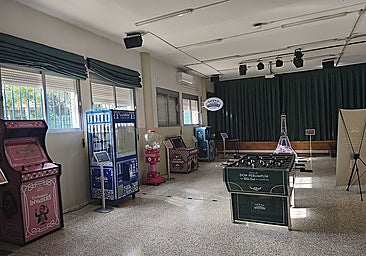
The exhibition will open in early 2027 at the new headquarters of the Centro del 27, in the restored 18th-century Palacio de Valdeflores on Calle Carretería in Malaga.
Related story
After that, the furniture will move to the Velintonia, Aleixandre's former home in Madrid, under what both institutions describe as a temporary loan. They have yet to agree its duration and conditions.
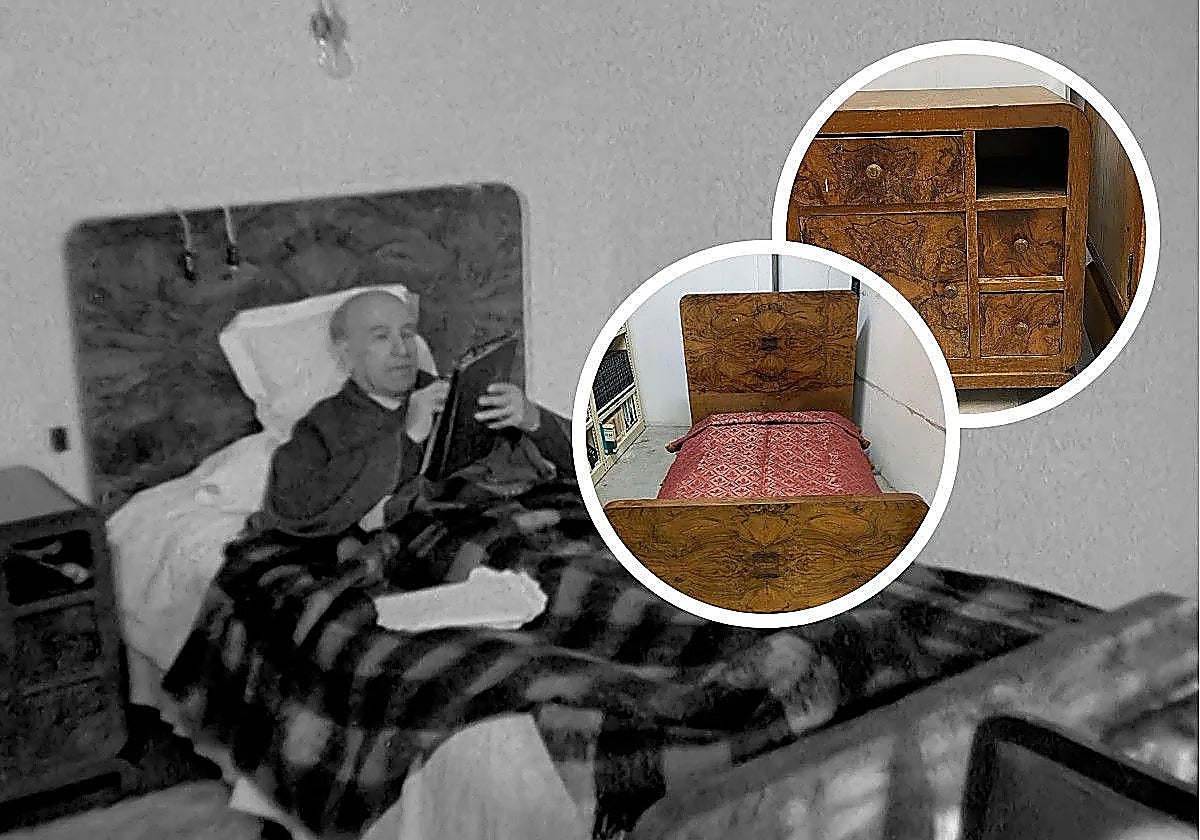
Aleixandre, who won the Nobel Prize in Literature in 1977, spent much of his later life confined to bed because of poor health. From his bedroom at Velintonia 3, he wrote many of the poems that secured his place in Spanish literature, including Ciudad del Paraíso, inspired by memories of his childhood in Malaga. Photographs of the poet writing from his bed became some of the most recognisable images of his final years.
After Aleixandre's death and that of his sister Conchita in 1986, the house fell into disrepair as inheritance disputes left it empty for decades. During that time, some of the poet's personal belongings disappeared from public view.
Among them was his bedroom furniture, which has remained storaed up in the archives of Malaga's Generation of '27 cultural centre for around 20 years. The collection includes his bed and headboard, wardrobe, bedside table, a wooden washstand with its basin, as well as his mattress and bedspread. Only one drawer from the washstand is missing. Despite remaining in good condition, the collection has never gone on display because of a lack of exhibition space.
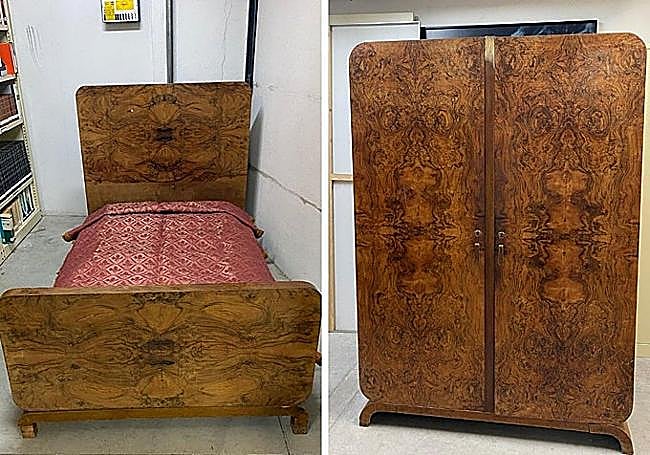
One unanswered question concerns how the furniture arrived in Malaga. Newspaper reports confirm it was already there in 2007 and staff at the Generation of '27 centre remember it being in storage at that time. However, no official records explain when or under what agreement it was transferred.
The only account comes from Amaya Aleixandre de Artiñano, the poet's great-niece and principal heir. She once said she had temporarily entrusted the furniture to the Generation of '27 cultural centre because she could not guarantee its proper preservation herself.
According to her, the centre agreed to transport and store the furniture "for as long as necessary". She said she had also given permission for it to be exhibited. Despite this, the furniture remained in storage throughout that period. She stated the arrangement never amounted to a permanent donation.
Now that the Madrid regional government has purchased Velintonia and plans to restore it as Casa de la Poesía (the House of Poetry), she believes the furniture should return to its original home. She intends to lend it, not donate it, saying this reflects what she believes would have been her great-uncle's wishes.
However, sources at the provincial authority told SUR they have found no documentation setting out the conditions she refers to, nor any written record of the original agreement or the people involved in arranging it.
Despite those uncertainties, Malaga's provincial authority has confirmed it will cooperate with Madrid and allow the furniture to return to Velintonia after its exhibition in Malaga.
The recreated bedroom will form one of the highlights of the centenary celebrations of the Generation of '27, giving Malaga an opportunity to showcase its connection with one of Spain's most influential literary movements before the collection returns to the house where Aleixandre lived and worked.
Browse community profiles and regional people news
![[]](http://static.vocstatic.com/voc26/latest/assets/images/favicon/surinenglish/apple-touch-icon-57x57.png)