
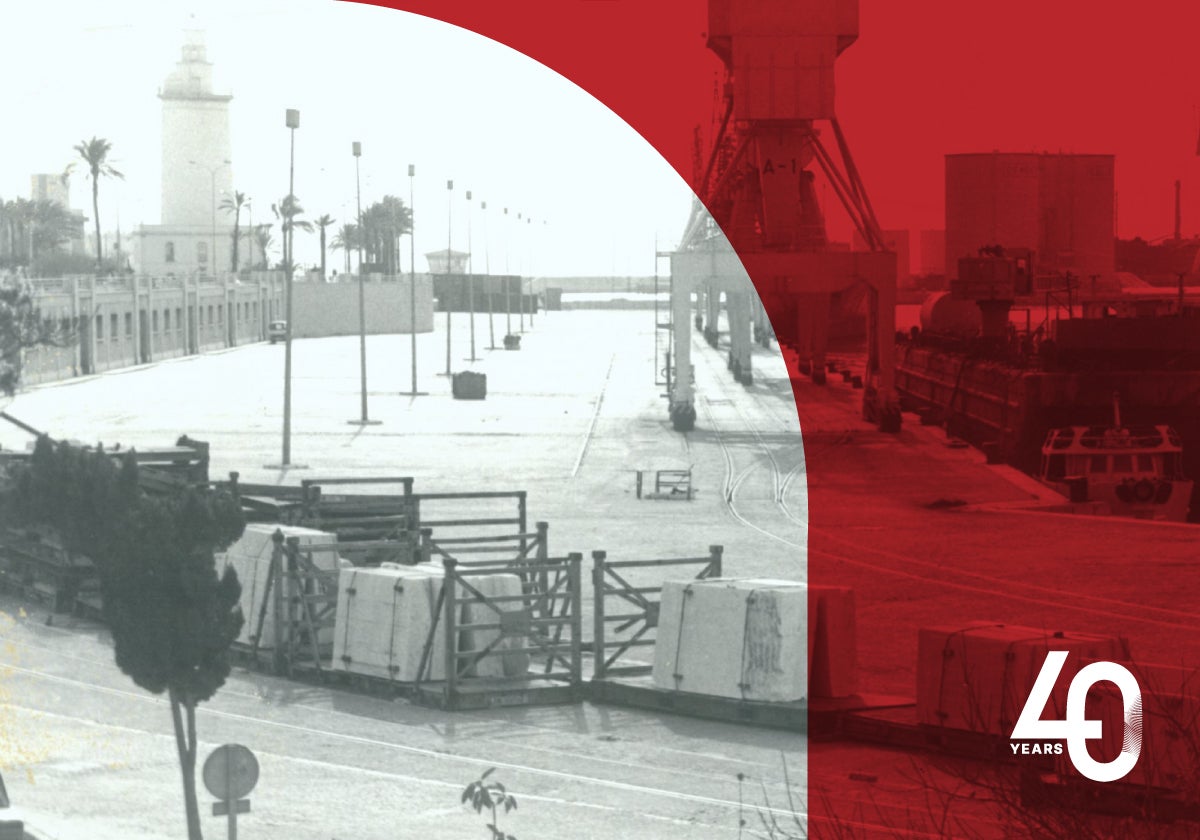
40 years of progress
Malaga, a city centre unrecognisable 40 years on
The capital of the Costa del Sol is now one of Europe's most popular destinations for a city break
Jennie Rhodes
In the eighties, few tourists ventured into the city of Malaga, perhaps only to go shopping in El Corte Inglés. Now the city is a major tourist destination, with museums, hotels and endless bars and restaurants.
Malaga city Calle Larios
One of Spain's best shopping streets
Now
Then

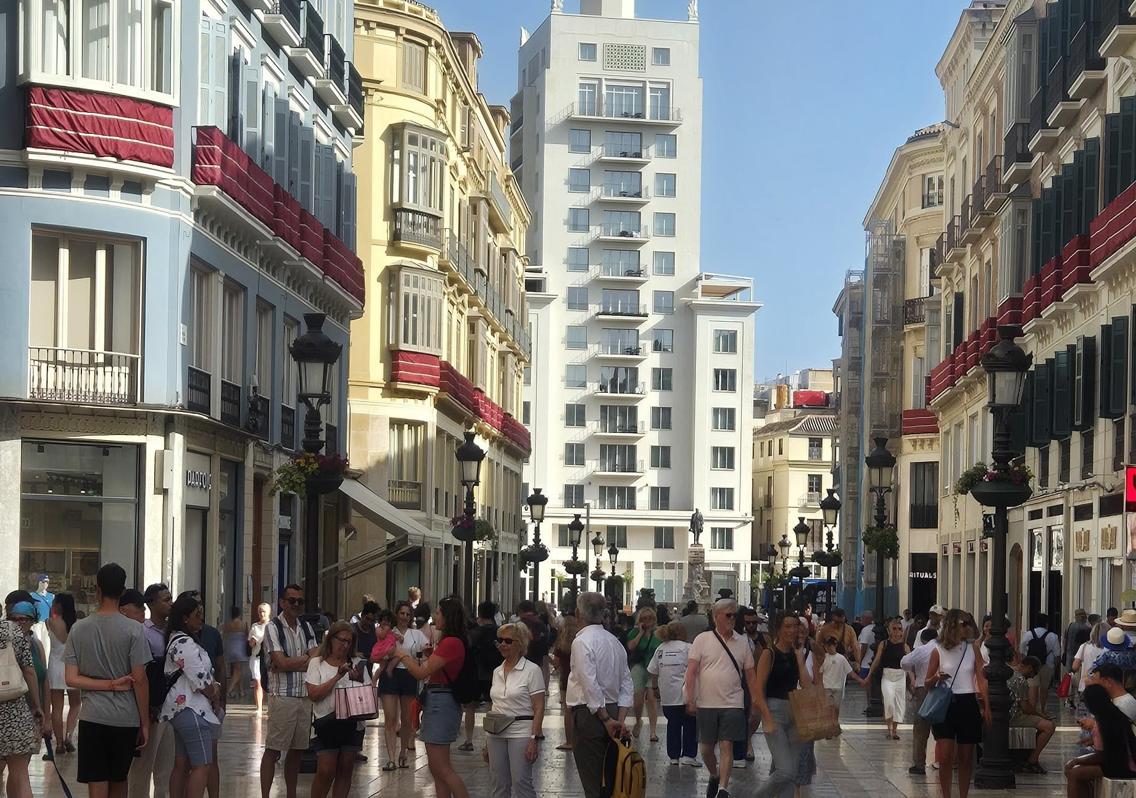
Calle Marqués de Larios, more commonly known as Calle Larios, dates back to the late 19th century and is considered one of the most elegant shopping streets in Spain.
It is named after Manuel Domingo Larios y Larios, II Marqués de Larios, who was the great economic promoter of this project and there is a statue of him, created by Mariano Benlliure, at the beginning of the street.
Many people still remember when cars were allowed to drive along Calle Larios and that was certainly the case still 40 years ago. The opening of the newly pedestrianised Calle Larios on 14 December 2002 revolutionised Malaga city centre.
Calle Larios is the epicentre of much of the city’s social life, with Holy Week, Carnival, the August fair and the Christmas lights, as well as being the setting for fashion shows, photographic exhibitions and where street performers entertain visitors.
The street’s buildings still reflect 19th-century Malaga bourgeois architecture but the shops that line it have changed over the decades, with few of the original names still on the façades.
Malaga city Muelle Uno
A smart harbour with luxury yachts and a French museum
Now
Then
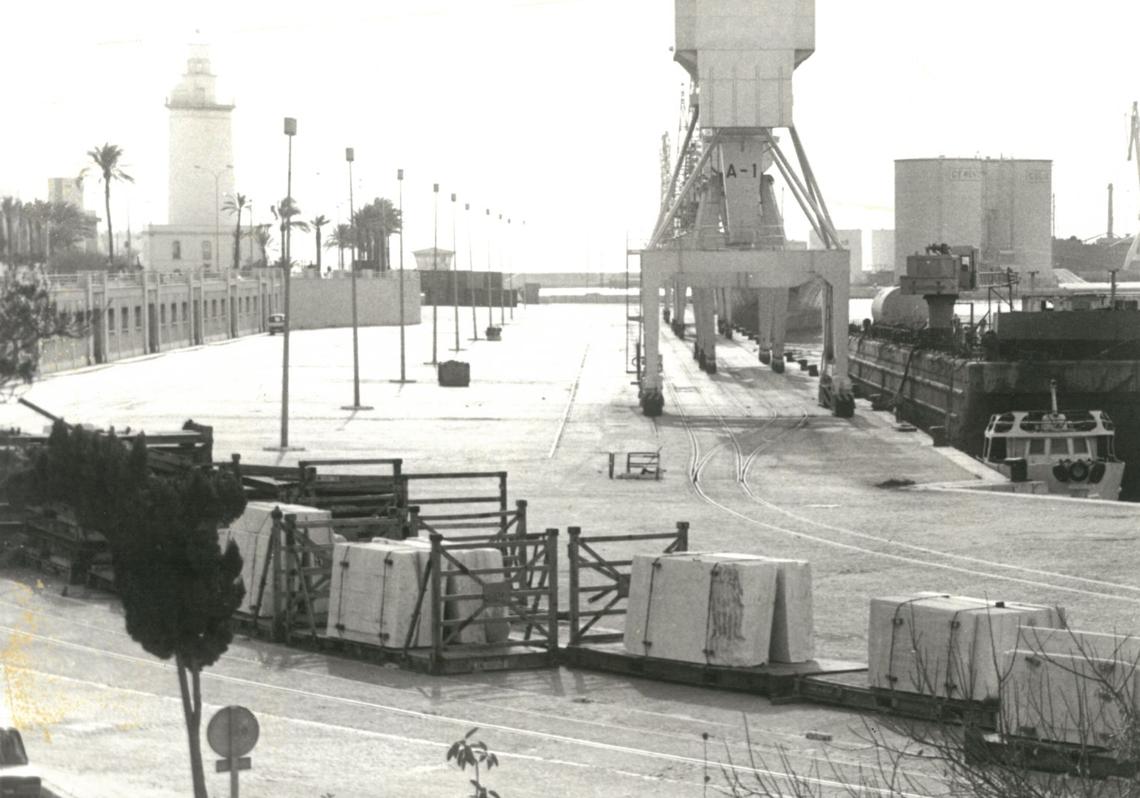
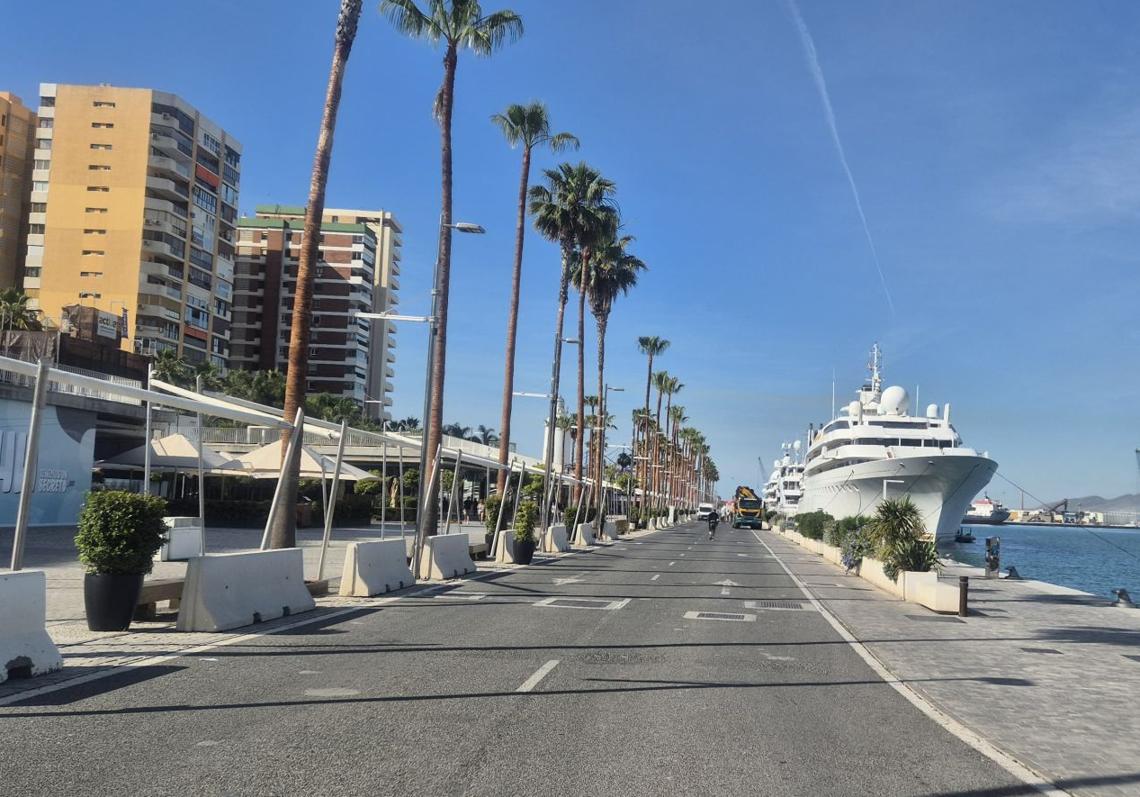
Although Malaga’s Muelle Uno (dock one) has existed since the 16th century, it wasn’t until 2011 that it opened as pedestrianised marina with restaurants, shops and other leisure activities.
For many years it was impossible to tell what happened on the other side of the fence that ran along the coastal side of the Paseo del Parque.
But in 25 March 2011 the inauguration of the ‘Palmeral de las Sorpresas’ marked a new era in Malaga as the port and city were connected for the first time, achieving a long-standing objective of the city hall.
Almost four years later, on 28 March 2015, the Centre Pompidou opened its first centre outside of France and the colourful giant cube on the corner of Muelle Uno really put Malaga on the international cultural map.
Muelle Uno also connects the centre with the city’s most famous beach, La Malagueta. The lighthouse, constructed in 1817 and known locally as ‘La Farola’ (the lamp), stands majestically at the end of this modern marina, as an important reminder and connection to Malaga city’s seafaring history.
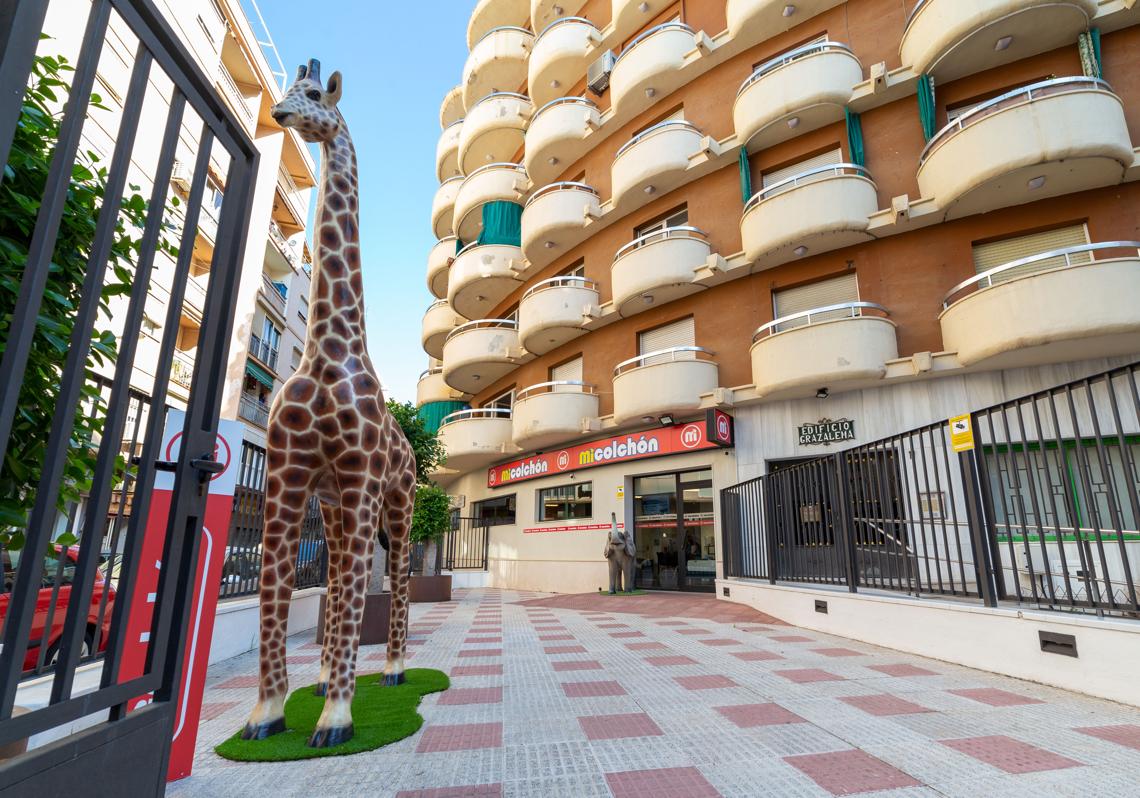
Discover Mi Colchón
45 years of sleep expertise in Malaga
Now
Then
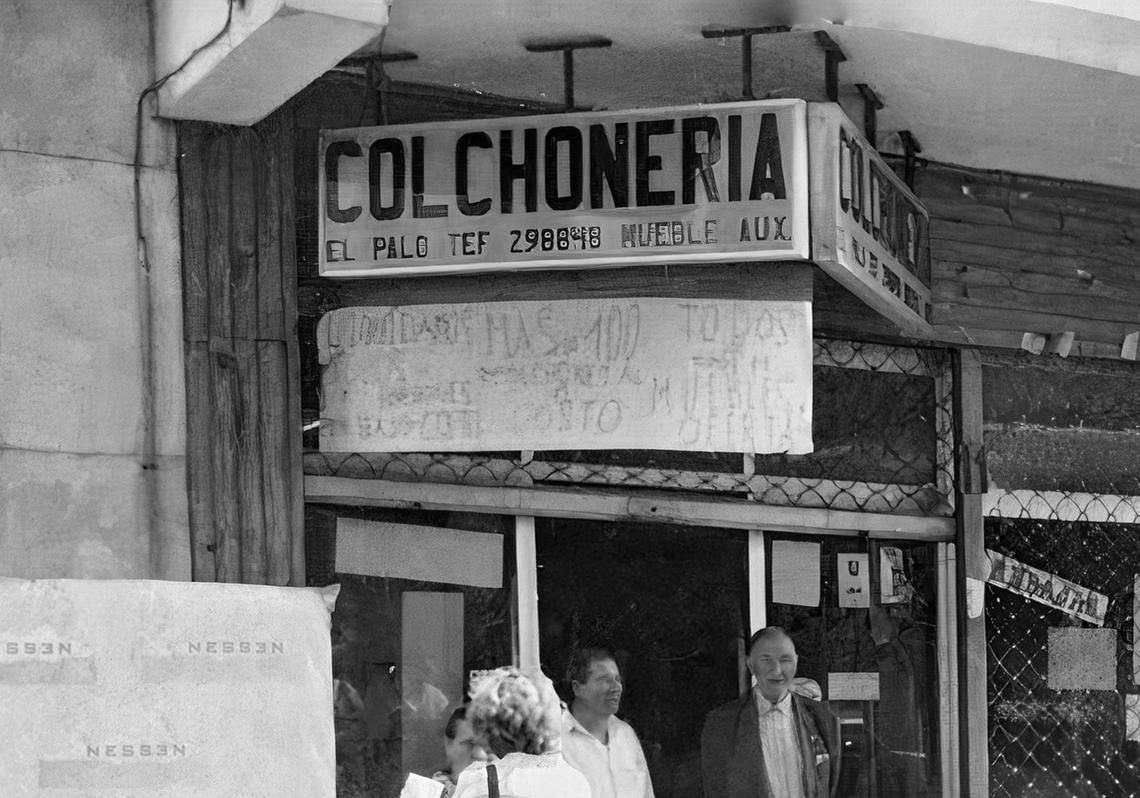
New to Malaga and looking to improve your sleep? Meet MiColchón, a family-run company that began right here over 45 years ago. What started as a small local shop in the Malaga neighbourhood of El Palo has grown into southern Spain’s most trusted name in sleep, with 16 stores — 13 across Malaga province and three in Granada — as well as a nationwide online store.
At MiColchón, we do more than sell mattresses. We specialise in personalised sleep care, thanks to our trained Mattressologists® (experts in Mattressology®), our registered philosophy combining sleep science, advanced materials and tailored advice based on your body and health needs.
We partner with some of the most respected names in the industry, including Stressless, Keyton, Flex, Relax, Sealy, Tempur, Hukla Germany, Nightland, NordSwiss, Harrison Spinks and AKVA Waterbeds. Yet, at the heart of everything we do is our own exclusive brand, Nessen® — the ultimate in comfort, craftsmanship and innovation.
Handmade using natural materials such as linen, cotton, latex and multi-zone pocket springs, Nessen mattresses offer healthy, tailor-made rest at its finest.
To serve you better, our Fuengirola store has moved to a spacious new location with over 1,000 m² of showroom space, now also featuring a wider selection of premium sofas. Meanwhile, our El Viso flagship store in Malaga is expanding to 4,000 m², making it the largest specialist sleep centre in Europe.
At MiColchón, you’ll find everything you need for a perfect night’s sleep: mattresses, pillows, adjustable beds, recliners, sofa beds, protectors, luxury sheets and more — all with expert guidance.
Visit any of our stores in Malaga or Granada, or browse our collection online. Welcome to Mattressology®. Where real rest begins.
Malaga city Calle Nueva
Symbols of the past on a modern street
Now
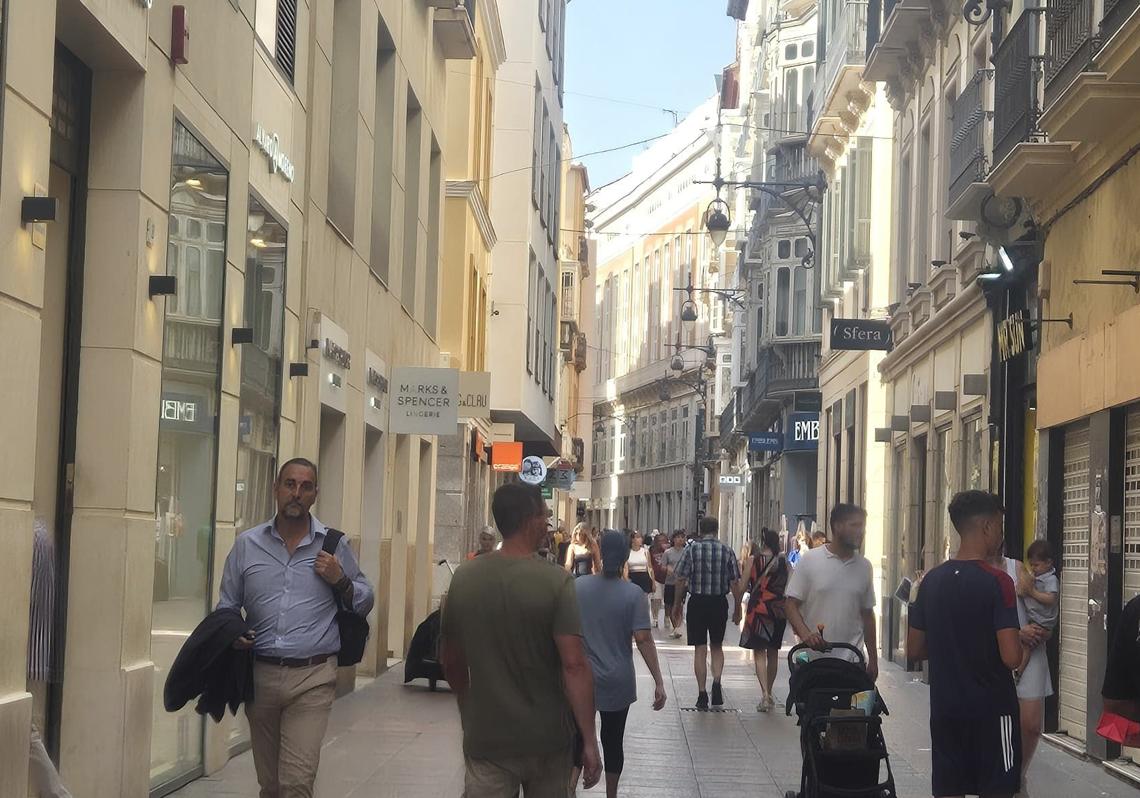
Then
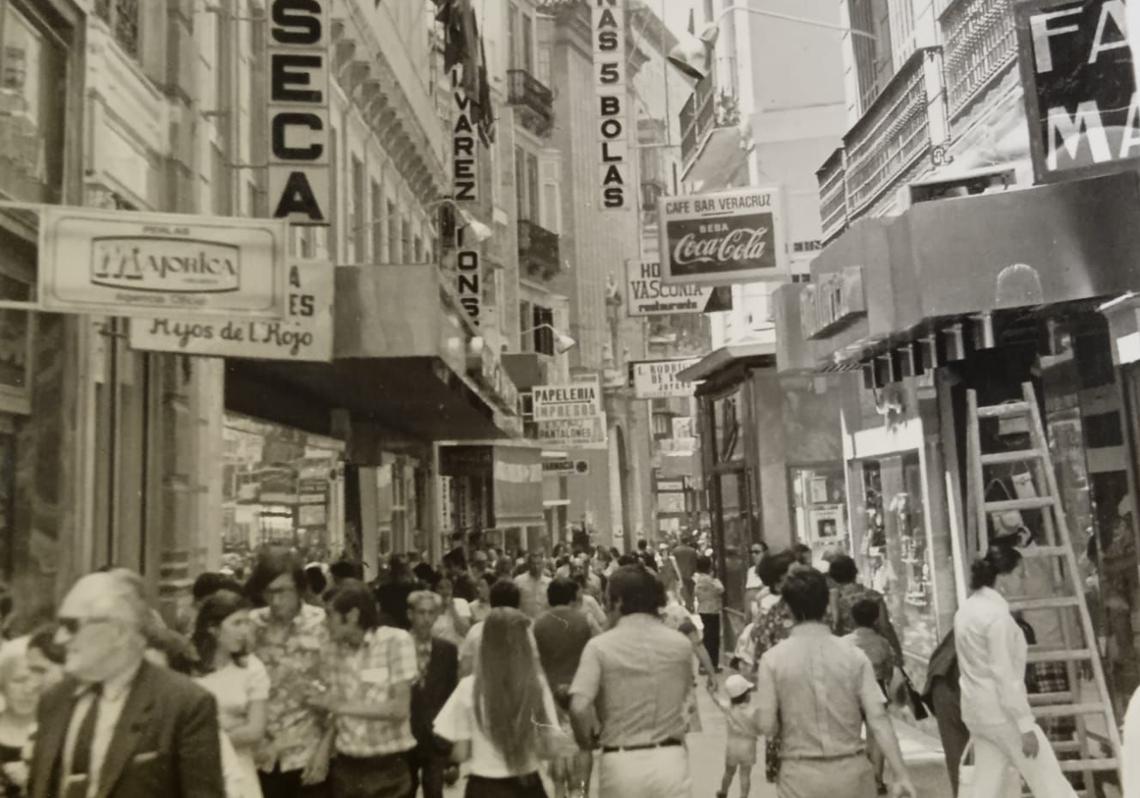
Calle Nueva is one of the oldest streets in Malaga city centre. Opened in 1491, the street was designed move goods between the port and the north of the city. The street already existed during the Islamic period, but only went as far as the existing Concepción church.
Calle Nueva went on to become the main commercial road in the city until the construction of Calle Marqués de Larios. In 1990, architect Eduardo Serrano designed a new pavement to give clues about the history of the street. If you enter it from Calle Cisneros, you will find to your right Calle Fernando Lesseps, the French diplomat and businessman who planned the construction of the Suez Canal.
Lesseps lived for a while in Churriana, a district on the outskirts of Malaga. Further down, on the façade of San Juan church there is a symbol that is believed to represent five cannonballs used during the siege of Malaga in 1487, although others say they have religious connotation. Another symbol is a reminder of a convent located on the street until a dreadful fire destroyed it the early morning of 19 December 1901.
Now Calle Nueva is a popular shopping street with a mix of independent shops and high street brands which runs parallel to the more well-known Calle Larios.
Malaga city A new train station
Malaga goes high speed into the 21st century
Then
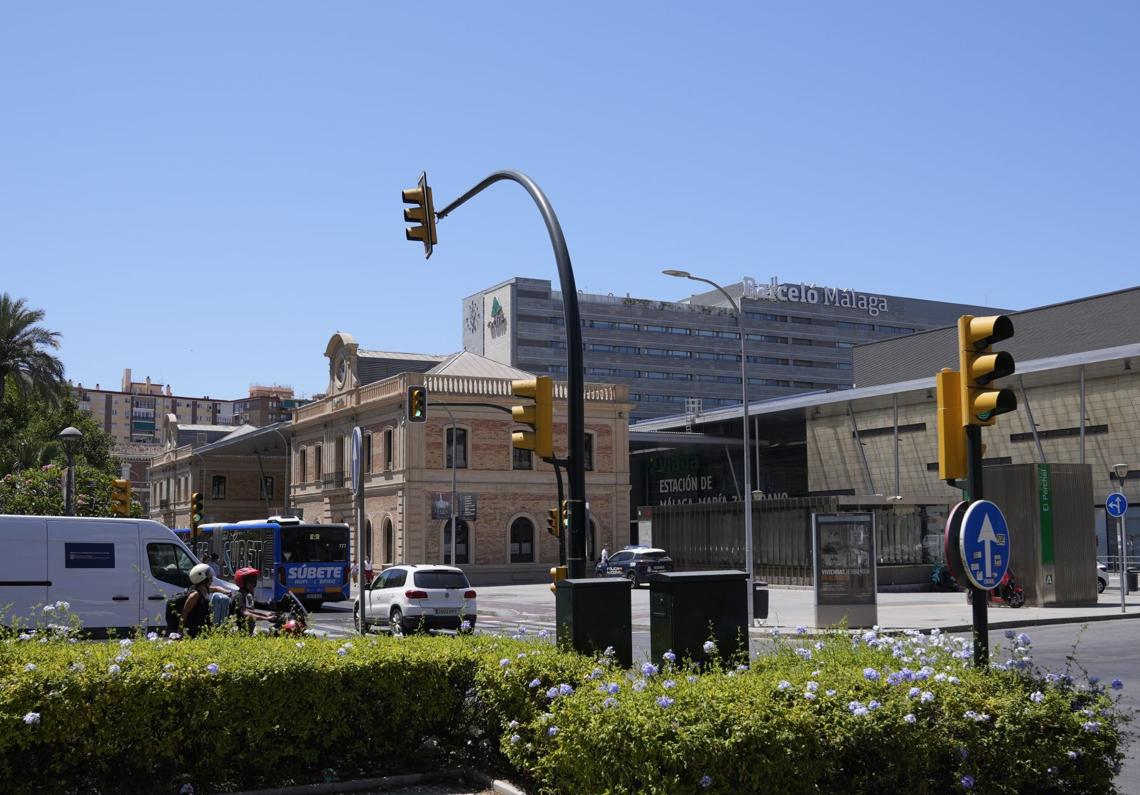
Now
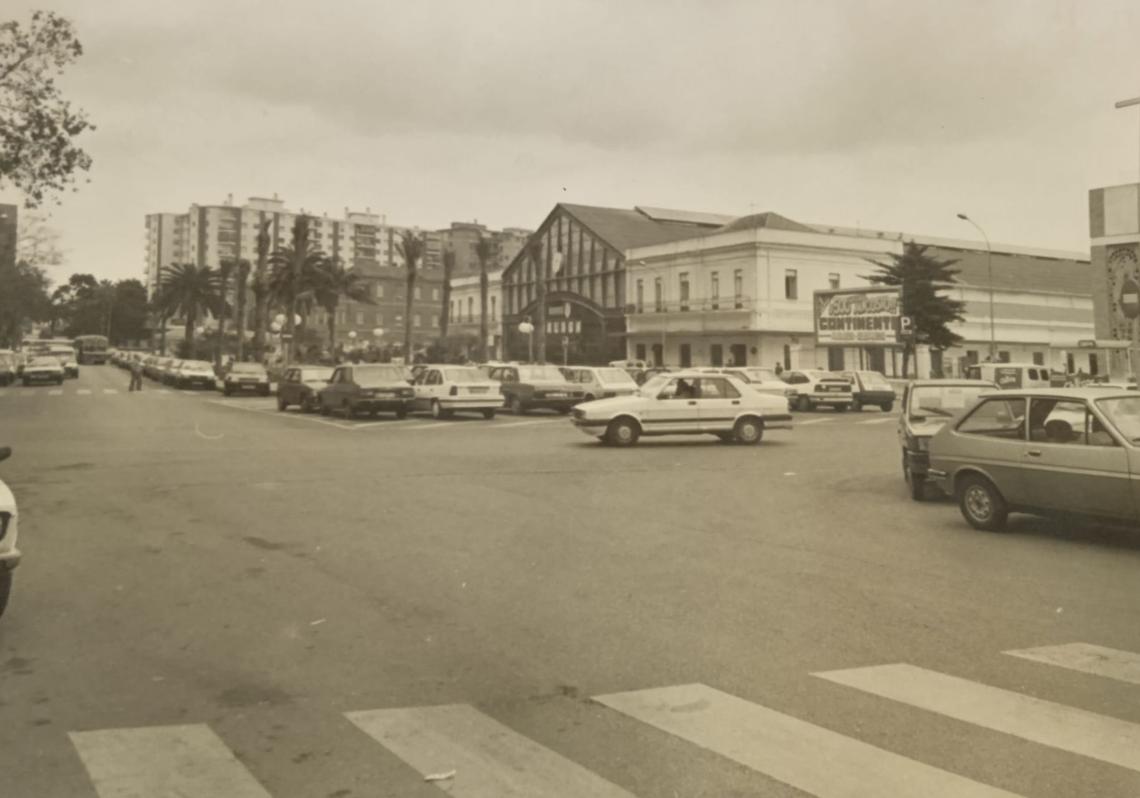
As Malaga grew in importance in the 19th century the need for a railway that reached the city became a priority.
The Cordoba to Malaga railway was inaugurated in 1862, during Queen Isabella II’s visit to Malaga, for which a temporary structure was erected but the final railway station project wasn’t inaugurated until 12 May 1863.
Designed by engineer Antonio Arriete, throughout the 20th century the station underwent a number of modifications, resulting in the loss of some original features. In the 1980s the original station was still being used but times were changing.
Built on the site of the old Malaga station, the new María Zambrano station, also known as Vialia, opened on 27 November 2006 to accommodate the new highspeed AVE trains, which first pulled into the station on 23 December 2007. As well as the AVE and other long distance trains, there is a separate station for the Cercanías local train.
The station is named after the Vélez-Málaga born philosopher and essayist María Zambrano. Facilities include a shopping centre, a cinema, restaurants and a four-star hotel.
Malaga city Christmas
Dazzling light displays that compete with major cities
Now
Then
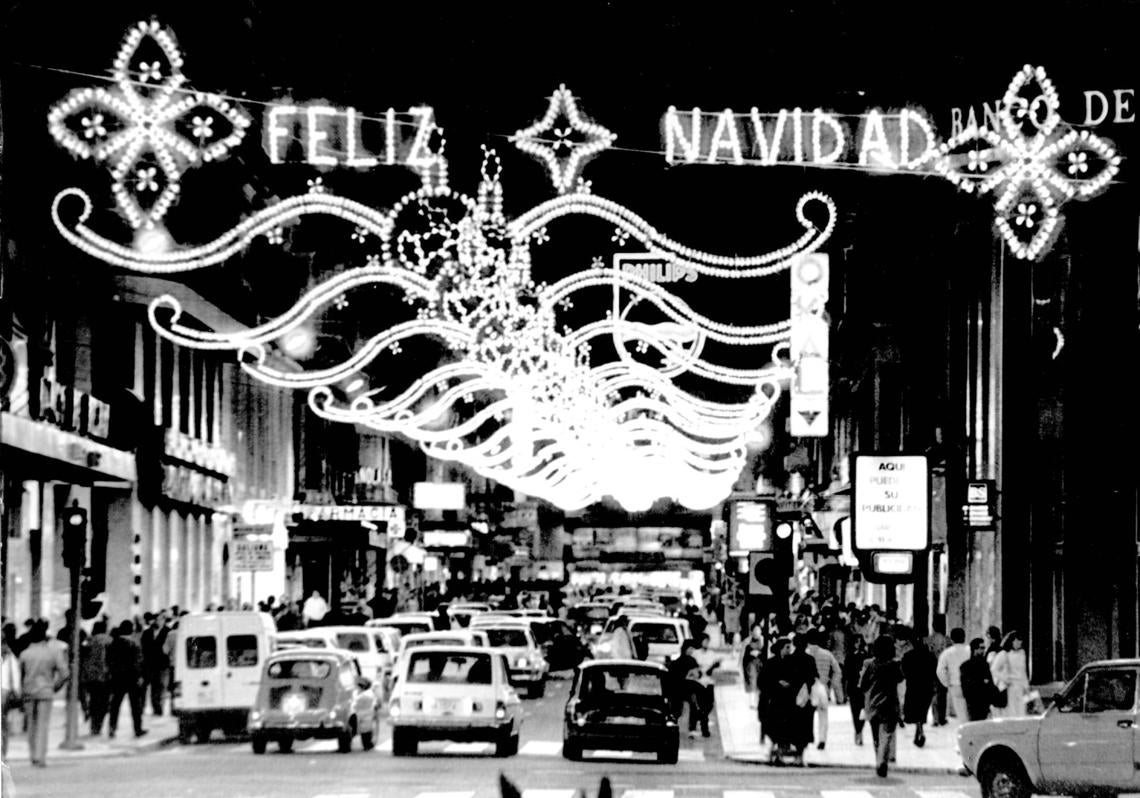
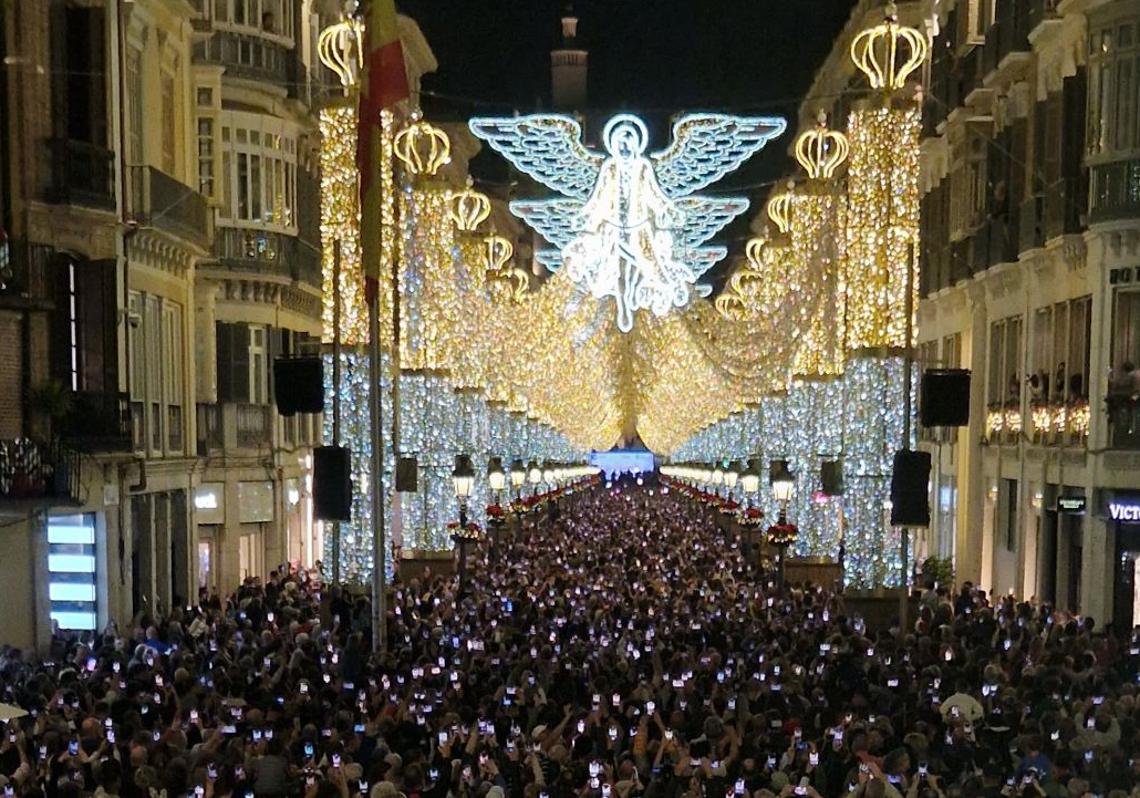
Malaga city’s simple Christmas decorations of the 1980s have in recent years transformed into dazzling light displays, putting the city on the map of top Christmas destinations in Europe.
What were once modest candles and stars which adorned a Calle Larios open to traffic in the 1980s have given way to a huge light and sound show that attracts visitors from around the world.
In the 1980s Christmas was celebrated with a tree on Plaza de la Constitución and a few lights on its main streets. Today, Christmas has taken over the city with the daily shows on Calle Larios, the botanic gardens displays and video mapping on some of the city’s monuments including the cathedral.
The evolution of the Christmas lights over the last 40 years has been driven by technological advances and the invention of LED bulbs. Behind it all is the specialisation of leading companies in the sector like Iluminaciones Ximénez, which has been the company behind lights in cities across Spain and further afield, including New York and Dubai.
Malaga city A new tunnel
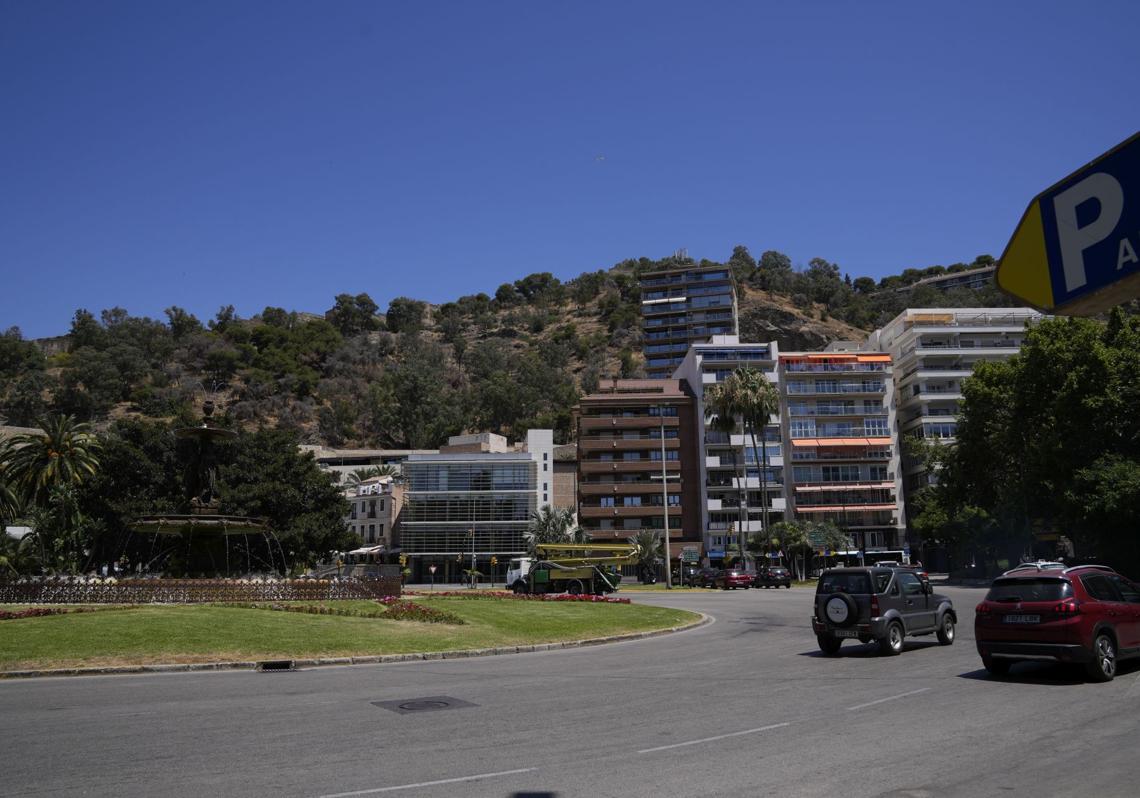
Great changes near Plaza del General Torrijos
Now
Then
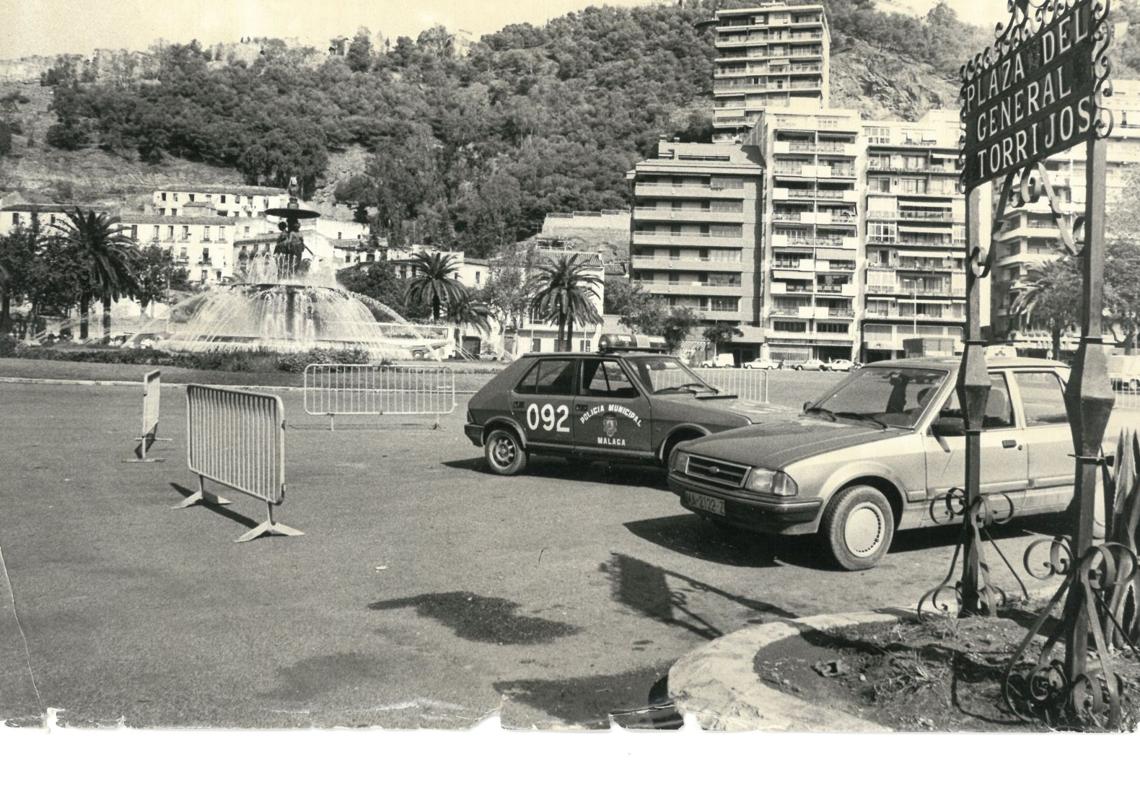
La Fuente de las Tres Gracias or Las Tres Ninfas (The Fountain of the Three Graces or Three Nymphs) can be found on a large roundabout which forms part of Plaza del General Torrijos. It sits at the start of the Parque de Málaga (also known as Paseo del Parque) and not far from Muelle Uno.
Although the area immediately around the large roundabout has changed little over the last four decades, albeit with the addition of a new small block of flats and the fountain itself almost being hidden by trees, the wider area has witnessed a huge transformation.
The Túnel de la Alcazaba, which connects Paseo Reding with Plaza de la Merced under the historic Alcazaba fortress, opened on 29 March 1999.
The aim was to create a pedestrian and traffic connection under the hill to join the Parque de Málaga and Malagueta areas of the centre with the old town.
Plaza del General Torrijos has also witnessed the development of Muelle Uno and in particular the construction of the colourful cube which is the entrance to the Pompidou Centre.
El Pimpi
A story of shared success in Malaga
Now
Then
-kEU--1140x798@Diario%20Sur.jpg)
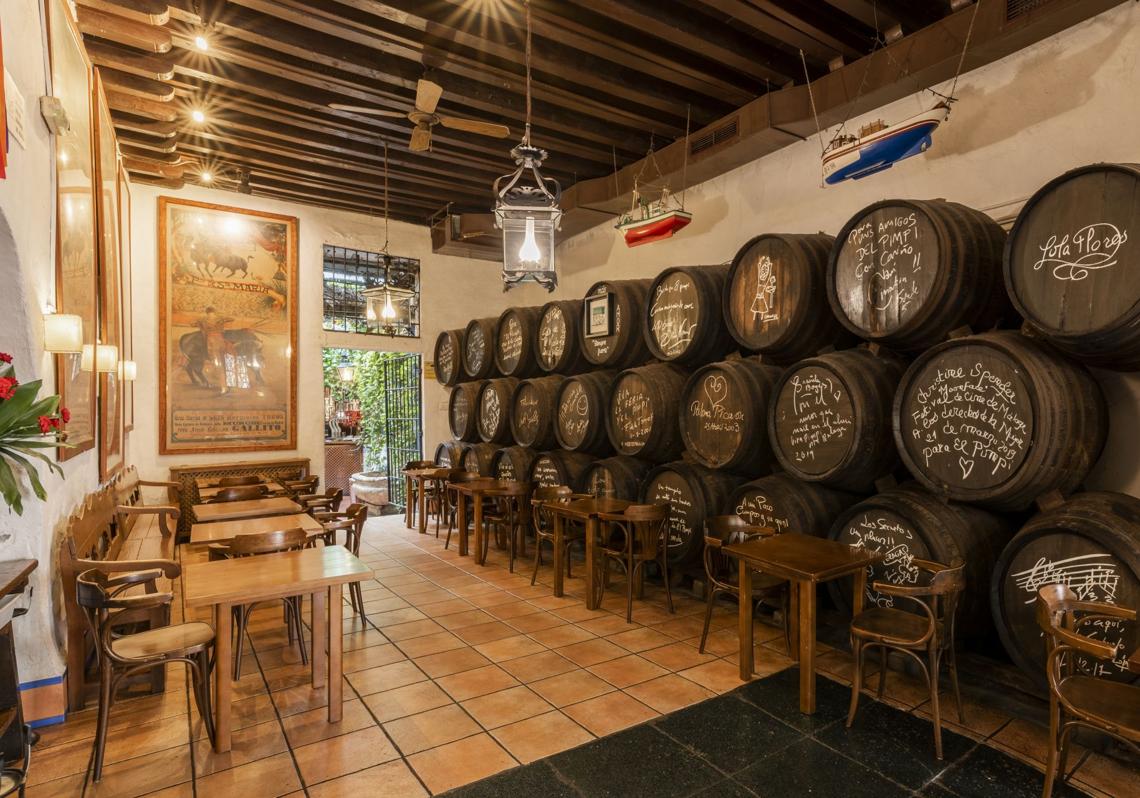
Just as SUR in English has been part of the lives of generations of readers for 40 years, El Pimpi has spent more than five decades witnessing the life of Malaga, its people and everyone who visits.
Since 1971, El Pimpi has been the home of all Malagueños and a must-visit for anyone wanting to discover the essence of the city.
At the same time, its rooms remain a meeting place for families, friends and entire generations who’ve made its halls and patios part of their own story.
Our commitment to the city has grown, too. Through the Fundación El Pimpi, we support social and cultural projects that strengthen Malaga’s identity and promote its future.
We’re proud to have contributed to the cultural and gastronomic boom that defines the city today, supporting flamenco, local producers and charitable initiatives that reflect the values of our local area.
The visits of artists, writers, politicians and celebrities have helped project our image to the world, but our real success lies in something simpler: the smile of every person who walks through our doors and feels part of this great family.
Looking back, it’s moving to see how we’ve gone from being a small bar steeped in tradition to becoming a living symbol of Malaga without ever losing our essence.
Today, on the 40th anniversary of SUR in English, we raise a glass of sweet wine to celebrate all these years of a shared journey. Congratulations on four decades of bringing Malaga to the world.
From El Pimpi we wish you many more years of success and hope to keep writing new pages of this story together.
![[]](http://static.vocstatic.com/voc26/latest/assets/images/favicon/surinenglish/apple-touch-icon-57x57.png)