

40 years of progress
Malaga Airport expands as tourism booms
The massive growth in the tourism industry has transformed the area and since the eighties the airport has seen two new terminals with another on its way
Jennie Rhodes
Forty years ago tourists were flooding in to the Costa del Sol through an airport with one small terminal building. Few of them ventured into the city of Malaga. Now, the airport's third terminal is getting too small and a significant portion of visitors arriving stay in the city of Malaga.
Malaga Airport Growth
From one to three terminals since the 1980s
The history of Malaga-Costa del Sol Airport starts on 9 March 1919 when a Salmson 2A aeroplane flew over the city in search of a place to land. It did so on a plot of land known as ‘El Rompedizo’.
It wasn’t until 29 January 1968 that a new passenger terminal was inaugurated and domestic and international flights, which had been using a temporary terminal, were handled in the same place.
Passengers arriving and departing throughout the 1980s would have gone through that terminal, as it wasn’t until 1991 that the growth in traffic led to the opening of the Pablo Ruiz Picasso terminal, or T2.
In 2002 the airport inaugurated a modern control tower equipped with state-of-the-art technology and incorporating the Victor system for the first time in a tower.
Then in 2010, in order to cope with the rapid increase in passenger numbers, the airport inaugurated a new terminal, called T3, which joined the existing terminals (T1 and T2) to form a single passenger terminal area with a capacity for more than 9,000 passengers at peak times. In 2011 it was renamed Aeropuerto de Málaga-Costa del Sol.
Now
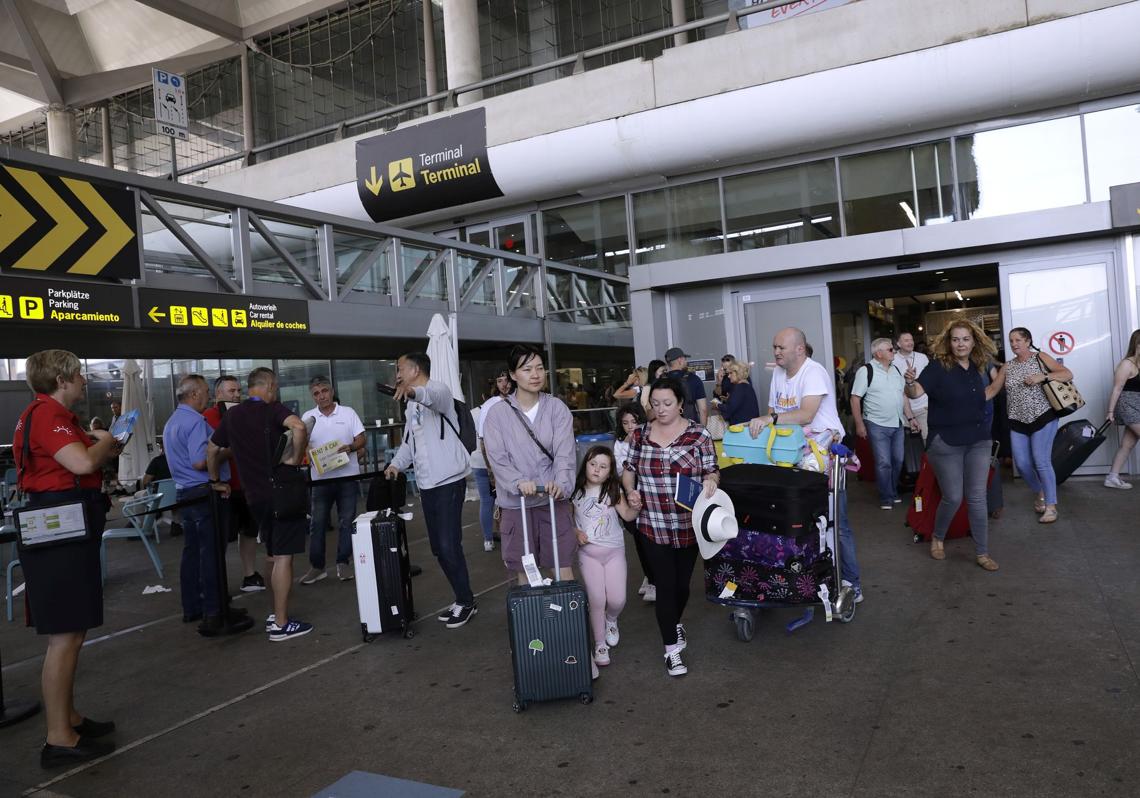
Then

Malaga Airport Future plans
Expansion will mean greater capacity from 30 to 36 million
While data on passenger numbers only started to be collected in the early 1990s, throughout the 1980s Malaga airport witnessed a rapid growth in domestic and international flights as flying became a more accessible mode of transport, which led to the construction of the Pablo Ruiz Picasso terminal in 1991.
Moving on 40 years to this year and the airport registered its best August ever handling more than 2.8 million passengers and nearly 19,300 flights.
The airport closed 2024 with more than 25 million passengers, close to its 30 million capacity.
Thanks to this success, in July this year Spain’s airport operator Aena’s board of directors authorised the opening of a public tender to select consultancies that will be responsible for drawing up expansion plans for the airport.
The expansion plans include the demolition of the existing Terminal 1 and nearly doubling the space occupied by the three terminals from 80,000 square metres to 140,000m2 and to allow for a capacity of at least 36 million passengers per year.
Now
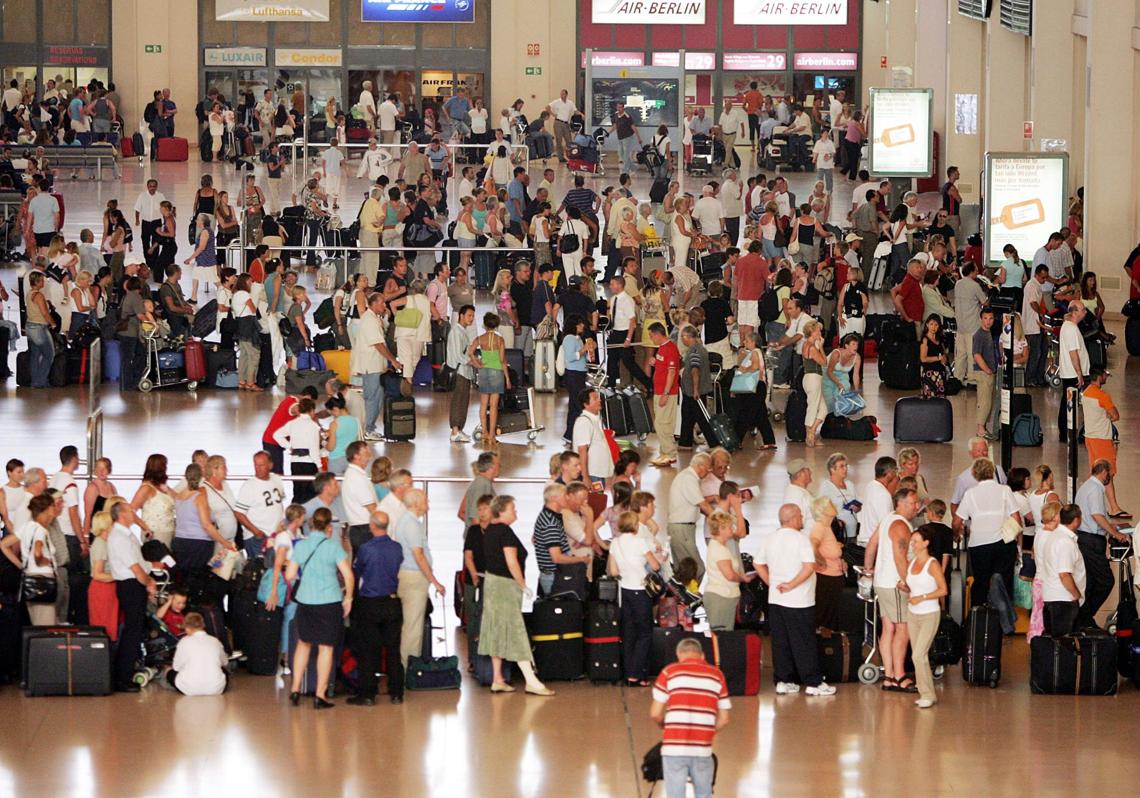
Then

Costa del Sol Turismo Andaluz
From sun and sand to a focus on quality
Now
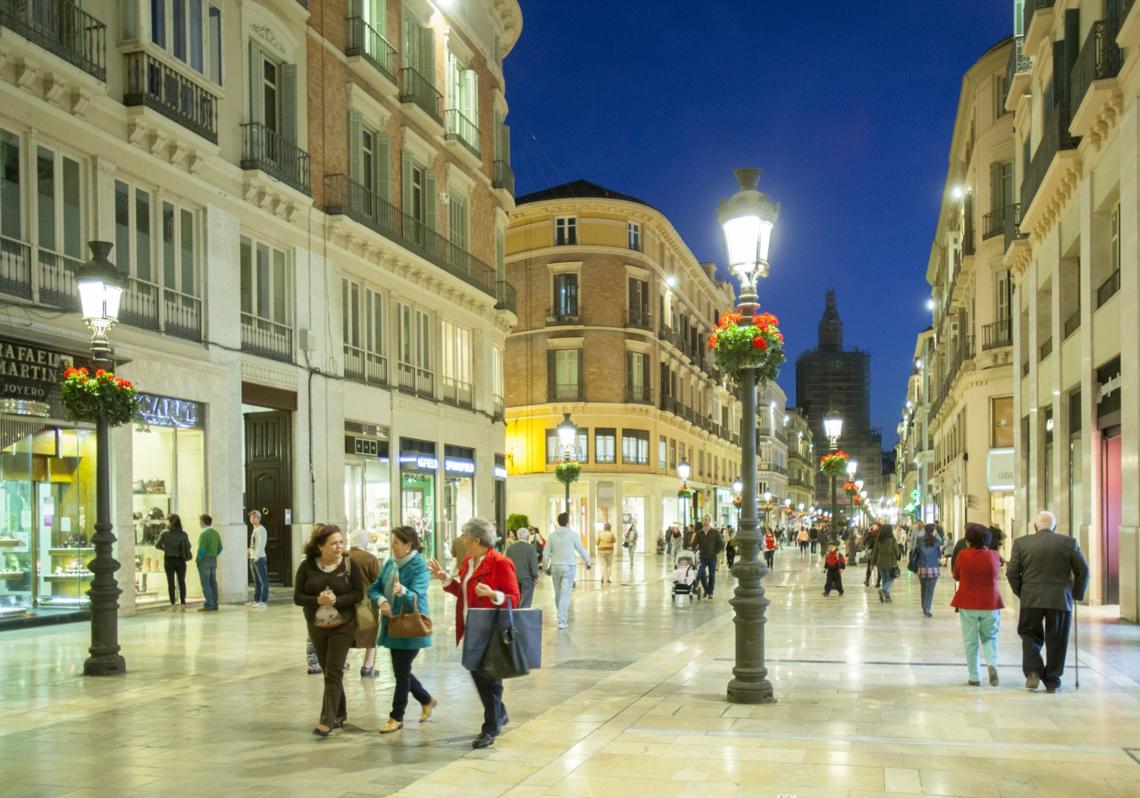
Then
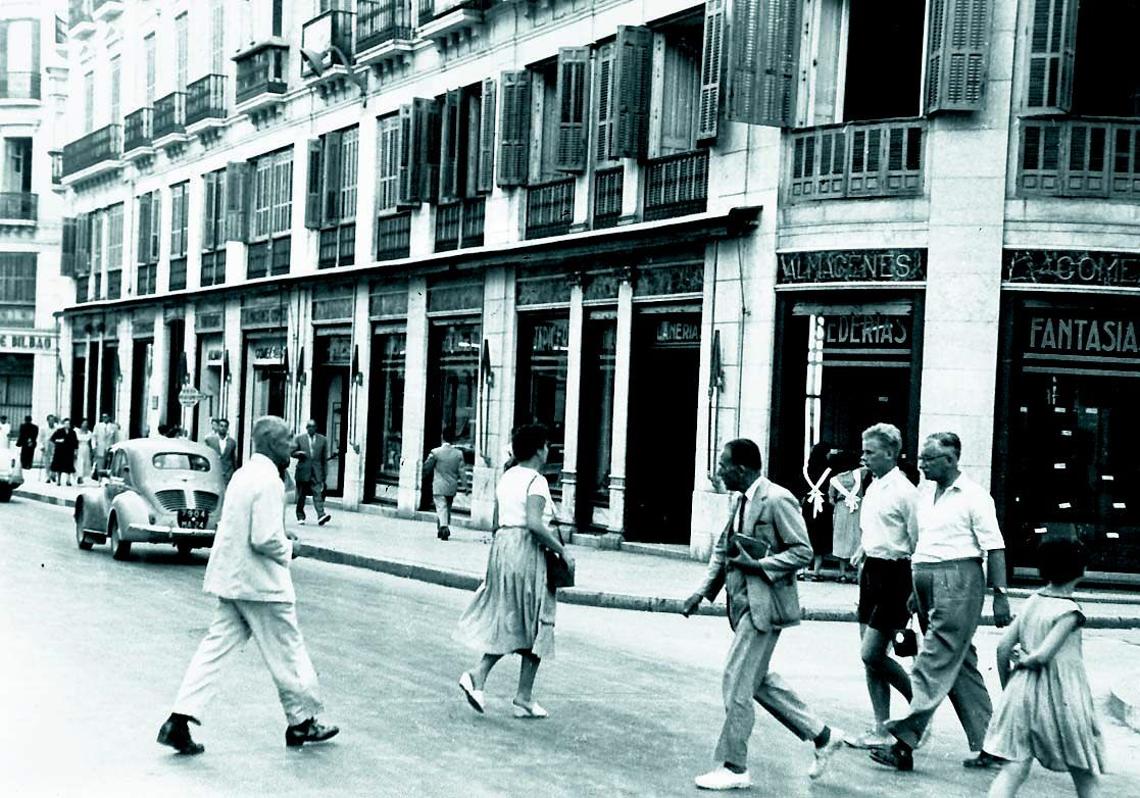
In its breadth and variety, in the beauty and uniqueness of each of its corners, Andalucía is a privileged destination for tourism. Full of multiple charms, it’s able to appeal both to the restless and experienced traveller and to the casual tourist who is simply looking for a few days of relaxation by the sea.
Its tourism evolution over the past 40 years represents a journey towards maturity, excellence and sophistication. A path of success for an industry that has managed to evolve and make Andalucía a world-renowned destination, multifaceted, that knows how to combine the value of its historical and artistic heritage with the excellence of its cuisine and the variety of its natural surroundings, with the growing quality of its infrastructure and tourist facilities.
Until the 1980s, tourism in Andalucía was mainly limited to the Costa del Sol, driven by the international success of the so-called ‘sun and sea’ pairing. The rise of the Malaga coast as a tourist destination went hand in hand with the evolution of the tourism industry worldwide: from an essentially elitist activity to a more democratic one supported by the development and improvement of transport infrastructure, with Malaga Airport and the gradual upgrading of the Andalusian road network playing a key role. This phenomenon made travel more accessible, along with falling airfares and rising household incomes, which strengthened the middle class and gave rise to the ‘mass tourism’ phenomenon.
As its name suggests, mass tourism was focused more on quantity than quality, driving urban development in the area to accommodate the large number of international visitors (with the United Kingdom playing a leading role) who filled beaches and hotel rooms during the summer season.
Despite its success, early Andalusian tourism was a very limited model in geographical terms, and it didn’t make the most of the wealth and variety of attractions that the region could offer visitors.
The professionalisation of the tourism sector made it possible to rethink this model, creating a drive to move towards excellence as a destination and drawing on charms beyond the ‘sun and sea’ to showcase the enormous potential offered by the different Andalusian provinces and territories.
In this way, Andalucía began to position itself firmly, especially from the start of the 21st century, in more specialised sectors such as food tourism, cultural tourism, sports tourism or luxury tourism. The region has begun to place major attractions at the forefront of its offer, such as the excellence of its food scene, which combines traditional gastronomy with the innovative flair of numerous Andalusian Michelin-starred chefs. Or the unique value of its historic landmarks: from the Alhambra in Granada to the Cathedral of Malaga, the Mezquita in Cordoba, the Giralda in Seville or the many archaeological sites scattered across the Andalusian territory. This commitment also extends to natural landmarks, enhancing the appeal of areas such as Doñana (Huelva), Cabo de Gata (Almeria) or Sierra Nevada (Granada).
This focus on highlighting the historical, artistic and natural legacy has also led to a greater diversity in the profiles of tourists visiting Andalucía. Alongside those who still choose to enjoy the ‘sun and sea’ pairing, recent years have brought visitors with a more cultivated profile and higher purchasing power, who are drawn to the region by its culture, natural surroundings or the excellence of its services.
Thanks to this specialisation and diversification, Andalucía has managed to hang the ‘Open’ sign all year round, achieving the long-awaited break from seasonality and placing the region as a world-class destination that pays attention to sensitive aspects such as sustainability, attracting a higher-spending type of tourist and valuing tradition as a distinctive feature.
With the collaboration of the Ministry of Tourism and Global Andalucía of the Regional Government of Andalucía.
![[]](http://static.vocstatic.com/voc26/latest/assets/images/favicon/surinenglish/apple-touch-icon-57x57.png)