
Health
Malaga hospital pioneers new coordinated approach for pelvic pain sufferers
Around 130,000 people in Malaga province suffer from this condition, which varies from mild discomfort to pain that can be incapacitating
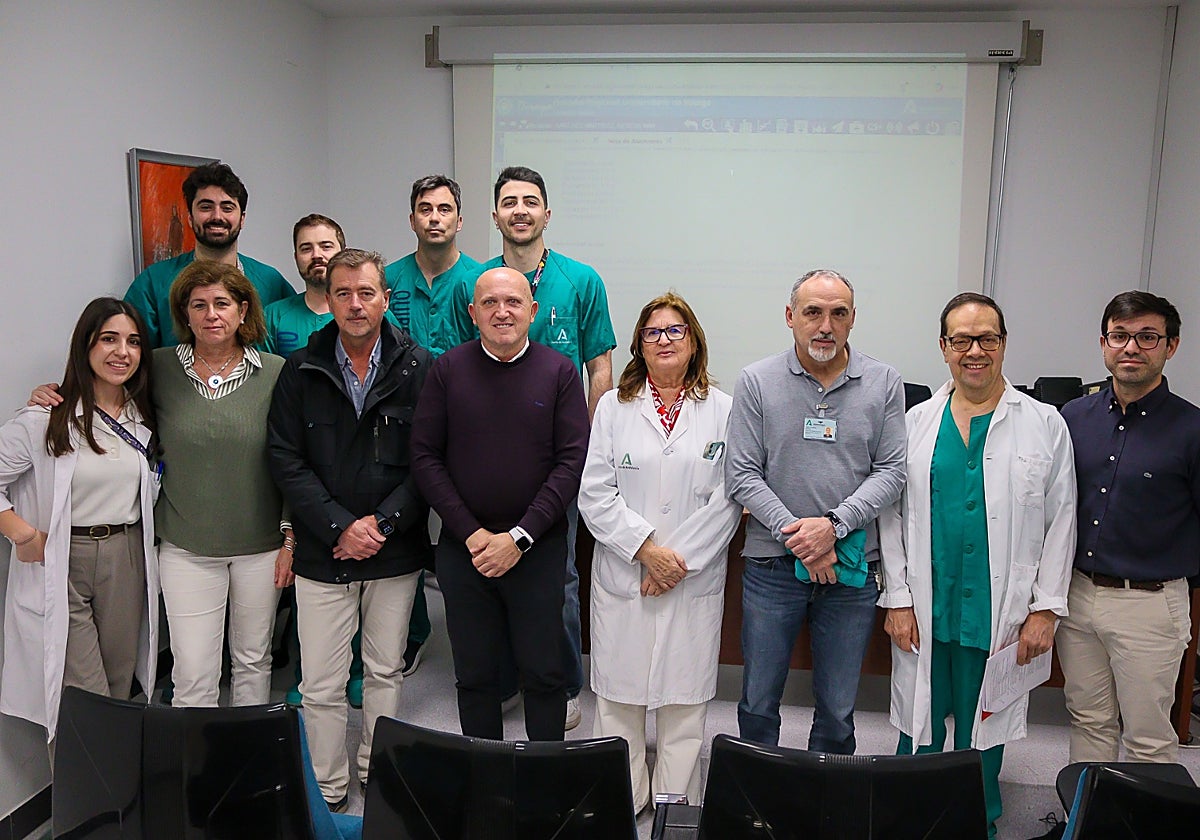

Malaga’s Hospital Regional Universitario has established a pioneering multidisciplinary committee to tackle the most severe cases of chronic pelvic pain in the province.
It is estimated that 130,000 people in Malaga - roughly 22.8 per cent of the population aged 16 to 65—suffer from this condition. While many experience mild discomfort, for others, the pain is entirely incapacitating, demanding a more sophisticated level of medical intervention.
Understanding the causes of chronic pelvic pain
-
Chronic pelvic pain is more prevalent than many realise, yet a significant number of sufferers live with the condition for years before seeking professional help. Common triggers include:
-
Endometriosis
-
- Urological disorders
-
- Digestive issues
-
- Musculoskeletal problems
-
The committee unites experts from a broad range of units within the Malaga hospital system, including:
-
Urology and gynaecology
-
- General surgery and anaesthesia
-
- Chronic pain and rehabilitation
-
- Mental health and psychology
Chronic pelvic pain varies in intensity, from mild discomfort to incapacitating pain. The new committee will focus on the most severe cases among the 130,000 patients, which is usually five or six cases per month.
The joint treatments aim to give personalised alternatives to people with cases resistant to traditional, singular treatments.
This is a pioneering initiative in Andalucía. Hospital Universitario Nuestra Señora de Valme in Seville has also adopted it, although the centre does not offer the possibility of group psychotherapy, which is a measure the committee is considering.
Causes of chronic pelvic pain
Common causes of chronic pelvic pain include endometriosis, urological, digestive or musculoskeletal issues. Chronic pelvic pain is more common than one might think and many people do not consult a doctor before spending years living with it.
"The vast majority of cases are monitored by two specialties: this way we ensure that we don't make redundant decisions, but rather joint ones," urologist Dr Néstor Sánchez says.
"These patients often have a long clinical history and have undergone multiple treatments."
The new committee is made up of professionals from the urology, gynaecology, general surgery, anaesthesia, chronic pain, rehabilitation, mental health and psychology units.
Its aim is to offer a coordinated and comprehensive approach to patients with pelvic pain who, due to the complexity of their conditions and symptoms, require intervention from various specialties.
"These patients often have a long clinical history and have undergone multiple treatments: the creation of the committee allows us to analyse each case, review tests, evaluate new treatment options and design a personalised plan that takes into account not only the pain, but also the impact on their quality of life," Dr Sánchez says.
A multidisciplinary approach
Dr Sánchez gives the example that urology might offer treatments that gynaecology or surgery don't and vice versa. Other specialties might propose different therapies.
Dr Sánchez says that they are considering group psychotherapy sessions to help patients achieve autonomy and understand the illness.
As he explains, however, "not everyone is eligible" and the initiative focuses on "five or six people per committee. Doctors independently review the cases and then submit their proposals to the committee, which will be meeting once a month.
"Until now, we have had individual tools from each speciality, but working in a coordinated way creates very powerful synergies," Dr Sánchez states.
"Until now we have had individual tools from each speciality, but working in a coordinated way creates very powerful synergies: we work as a gear in which each professional contributes their expertise to achieve a common goal: excellence in care," Dr Sánchez states.
![[]](http://static.vocstatic.com/voc26/latest/assets/images/favicon/surinenglish/apple-touch-icon-57x57.png)