
Health
How to take omega-3s without spending an extra euro
A doctor would only prescribe "a pharmacological dose in two cases"
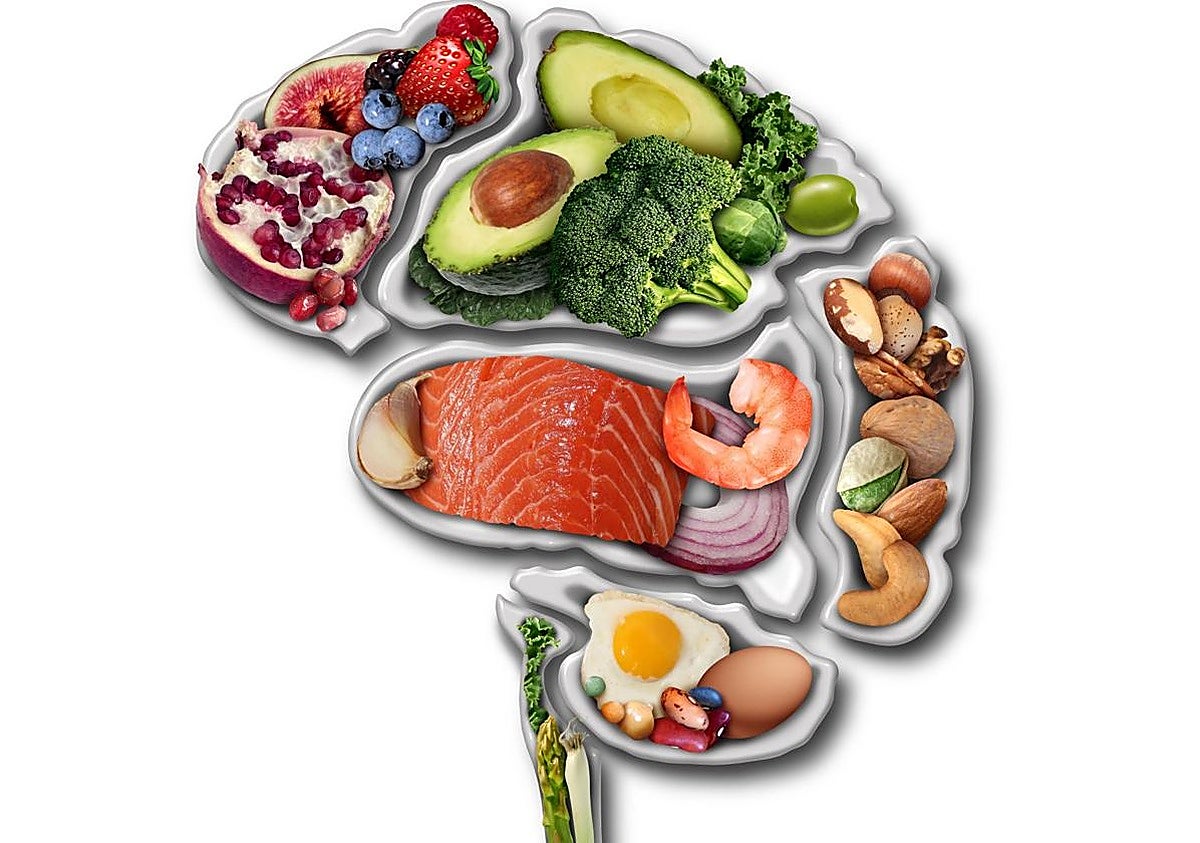

Omega-3 is almost like a distant cousin of the family. We have been hearing about it for years: enriched milks, margarines with a high ... omega-3 content, breads with seeds that are a source of it... But like distant cousins, do we really know it well? Well, we seem to know more about its supposed effects than its science. Or to continue with the simile: we know what it does, but not what it is like. And in the case of omega-3, the latter is important to know whether we really take enough, need more... or even less.
"It's a type of fat," says Dr. Aída Cadenas, a specialist in Endocrinology and Nutrition at IMQ. But it's the kind of fat that is popularly known as good. It is a kind of superhero because it has some very interesting properties: "They are anti-inflammatory and anti-thrombotic. That is to say, they will improve any pathological condition or not that involves a lot of inflammation, from rheumatological and autoimmune diseases, or that involves a condition of the organism that tends to suffer thrombi", the doctor stresses.
And this is also what makes it irresistible to the supplement industry, where omega-3s are the most recommended supplements, along with magnesium and collagen. Shall we go straight to the pharmacy for them? Calm down. Because their properties are one thing and whether we can really benefit from them with a pill is another, because "the necessary nutritional dose is one thing and the pharmacological dose is another", says the specialist.
There is no specific recommended daily intake for this fatty acid, although the World Health Organisation (WHO) has put figures on the subject. It recommends an intake of "between 250 and 2,000 mg/day" in healthy adults. "But it also depends on the omega-6 you take," says Cadenas.
- And omega-6 is...
- Imagine a pearl necklace. The pearls are the carbon molecules. And they are joined by knots, some have one, others have two, i.e. it is a stronger bond. This gives them a specific shape and properties. Depending on where this double union is, they are omega-3 if we start counting from the end in the third bead, or omega-6, if it is in the sixth bead starting from the end.
The fact is that both are always in the same pack and are "antagonistic". Because while omega-3 is the superhero, omega-6 is just the opposite: "pro-inflammatory and pro-thrombotic". "That's why it's important to be saturated in omega-3, so as not to give omega-6 a chance to take up those gaps. They are what are called competitive substrates".
When the doctor says yes
So what do we do, how do we achieve this, do we really have to supplement now? Not necessarily. "There are two situations in which a doctor will prescribe pharmacological doses of omega-3," says Cadenas. The first is "when there is a high cardiovascular risk", because scientific studies have demonstrated its beneficial effects there, including its ability to reach the liver and "reduce the production of a type of cholesterol that is VLDL, Very Low Density, which is a type of cholesterol that is as if we had fewer trucks to carry triglycerides. I have less trucks, I have less triglycerides.
The other is during pregnancy: "Until the third trimester, the baby is not able to produce fatty acids and needs up to five times more than an adult," says the doctor. The reason? The other important function of omega-3s: "They are fundamental components of cell membranes, like the bricks that form the partitions. And there is a third case where this fatty acid could also be prescribed: "The American Heart Association after a heart attack recommends supplementing patients with two to four grams of omega-3 daily because they also have a reducing effect on them". These bricks make "walls lighter, which allows cardiomyocytes to function better".
If you are not in any of these three cases, the best - "and cheapest" - way to supplement with omega-3 is through diet, says the endocrinologist. And the main sources of this fatty acid are of marine animal origin. The two most efficient omega-3 fatty acids, known as DHA and EPA, are obtained only from oily fish.
- But there is also talk of plant-based sources...
- Flax, chia, walnuts? Yes, but they are a source of another type, ALA, which needs to be transformed in our body to obtain all its benefits... And our body is quite inefficient in the task.
So we have no choice but to fill our fridge with salmon, mackerel, anchovies, tuna... to get the maximum benefit.
- And to reduce omega-6 intake, what should I give up?
- Mainly red meat.
An unsustainable supplement
Taking an omega-3 supplement without a doctor's prescription will not harm us because it is a fairly harmless fatty acid, but it has other drawbacks that should be taken into account. On the one hand, the origin and quantity of this ingredient. "So far, the most efficient way to obtain it is by extracting it from animal sources," explains Dr. Aida Cadenas. So that is expensive and unsustainable: there is not enough oily fish to sustain demand. Tests are being done with algae, but they are still at an early stage. But in addition to these problems, there is the problem of "bioavailability". Omega-3 is better absorbed when accompanied by something else than when taken alone.
![[]](http://static.vocstatic.com/voc26/latest/assets/images/favicon/surinenglish/apple-touch-icon-57x57.png)