
Health
Malaga town resident raises awareness of her grandson's rare condition through story-telling
Merche López's Manuel y los Guardianes de la Luz children's book is about epileptic encephalopathy caused by a mutation in the SCN8A gene

Alhaurín de la Torre
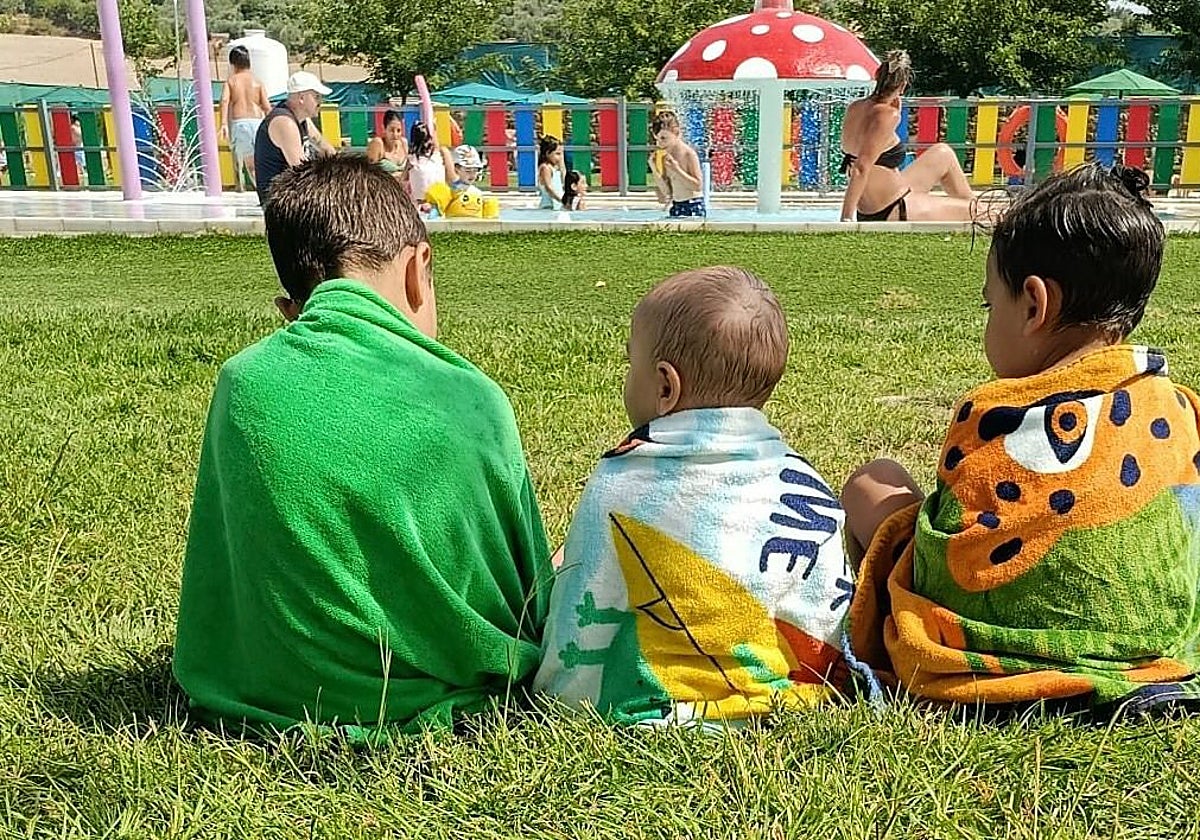
Alhaurín el Grande resident Merche López will never forget 21 January 2026, when her five-month old grandson Manuel had his first seizure, while he ... was in the bathroom with his mum Sandra. The first to react were his three- and six-year-old brothers.
"Everything little Manuel learnt, he would forget within minutes after each seizure," Merche says. Her daughter, who lives in Estación Linares-Baeza after moving to the province of Jaén, made the Jaén Materno Infantil hospital her second home during the endless hospital stays, filled with fear.
After months of uncertainty, neurologists Dr José Luis Cuevas Cervera and Dr Lucía Gaona Gallego discovered the cause of the problem in May: a mutation in the SCN8A gene, which causes severe epileptic encephalopathy. They had considered this possibility from the very beginning, but they couldn't confirm the diagnosis without all the necessary tests.
From then on, Manuel began a specific course of treatment, covered by the national health service, that has managed to stabilise his condition. Today, at 15 months old the boy is making progress, albeit with some difficulty.
The situation for Merche's daughter is difficult, as Manuel has a recognised disability rating of 59 per cent, which means Sandra is unable to return to work due to the constant care the child requires.
To lend a hand, Merche, a journalist, decided to write a book called Manuel y los Guardianes de la Luz. It is an illustrated story for children ages three to six, published on 24 October 2026.
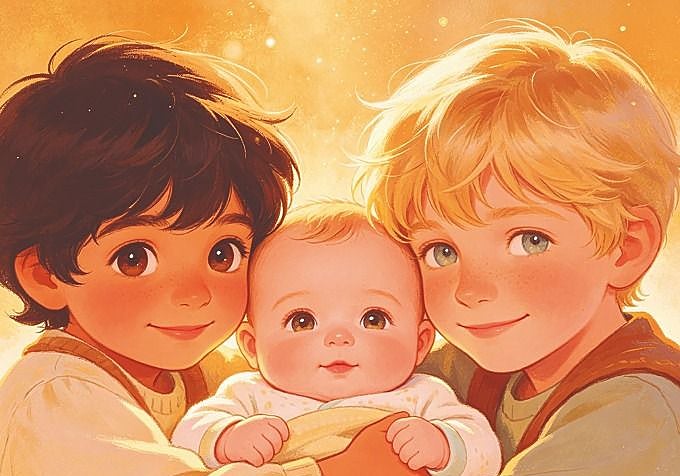
The book tells the story of that first traumatic day, with an educational aim. Using simple language, it explains to young children what it means to live with an "invisible storm" and how to cope with it.
"Storms may be fierce, but love always shines brighter," writes the author, who seeks to offer a sense of optimism in the face of the fear and chronic exhaustion carers live with.
The proceeds from sales go directly to the SCN8A Spain association, a Madrid-based organisation that currently supports the 31 children diagnosed with the condition in the country, with the aim of raising funds to support research into this rare disease. There are only 850 known cases worldwide. "It's like winning the lottery, but the other way round," Merche says.
Every step towards any breakthrough that brings us closer to a cure involves astronomical sums. Proof of this, Merche explains, is the 5,000 euros required simply to purchase a specific type of laboratory mouse for use in clinical trials.
The chair of the SCN8A Spain association, Aurora Rojo, expressed her gratitude for Merche López's active involvement in raising awareness of this condition and raising funds to improve the quality of life of those who have to live with it.
Manuel's grandmother's efforts have led to the organisation of charity raffles and prompted a series of meetings with local authorities to seek the active involvement of the town halls of both Alhaurín de la Torre and Alhaurín el Grande.
Manuel's family also plan to hold a meeting with the mayor of Linares, María Auxiliadora del Olmo Ruiz, as that's where Sandra and her children live.
Any support is welcome. Mayor of Linares-Baeza Station Melchor Villalba Lechuga, who is a close friend of Merche's, helped Sandra find accommodation at a reasonable price.
