
Health
Ten medical disciplines join forces at Malaga hospital to combat breast cancer
Virgen de la Victoria University Clinical Hospital pools multidisciplinary expertise to advance early detection, precision diagnostics and personalised treatments for 1,300 patients annualy
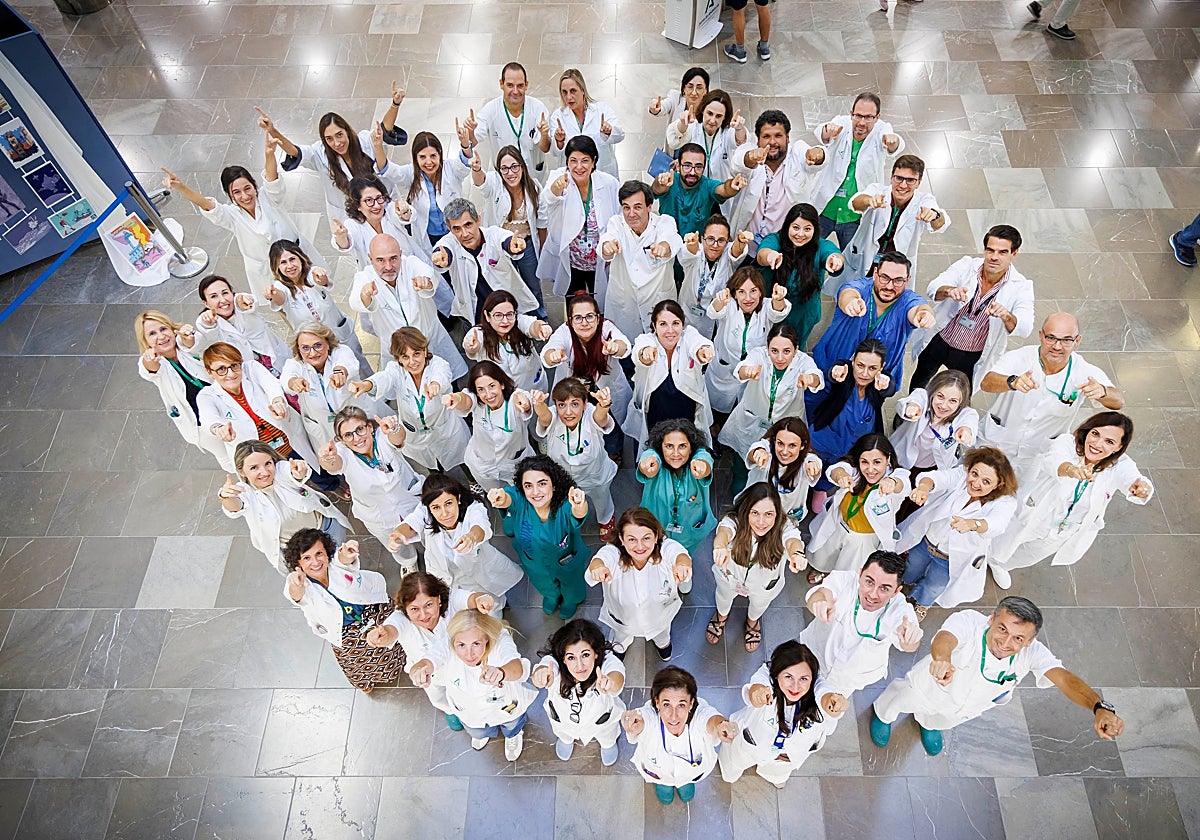

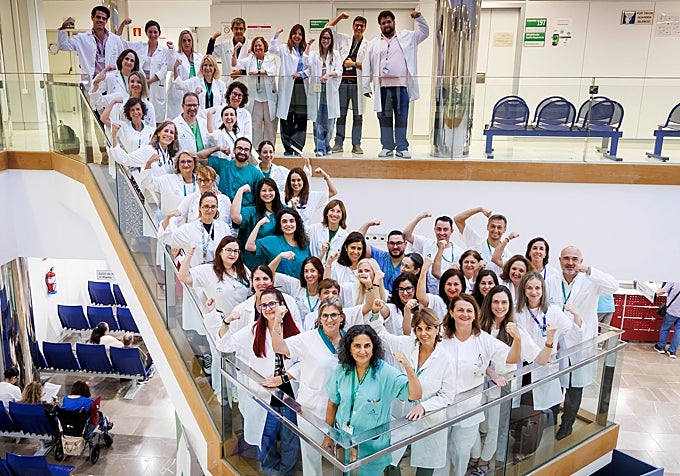
Every pair of hands counts in the fight against breast cancer, the most common form of cancer among women. At the Virgen de la Victoria ... University Clinical Hospital in Málaga, up to ten medical and healthcare specialities collaborate directly across the screening, diagnosis, treatment and follow-up phases of patient care.
Healthcare teams emphasise that every specialisation is required on a journey aimed at curing the disease or maximizing patient quality of life. Throughout the treatment pathway, patients receive coordinated care from specialists in Medical Oncology, Radiation Oncology, Pathology, Nuclear Medicine, Hospital Pharmacy, General and Digestive Surgery, Radiology, Physical Medicine and Rehabilitation, Physiotherapy and advanced practice nursing.
Between 1,200 and 1,300 cases of breast cancer are diagnosed in Malaga every year, and one in eight women in Malaga will develop the disease during their lifetime
Between 1,200 and 1,300 cases of breast cancer are diagnosed in Malaga province each year, with one in eight local women expected to develop the disease during their lifetime. However, five-year survival rates now reach 90 per cent. Marking World Breast Cancer Day, experts highlighted how personalised medicine, targeted therapies and technological innovations - such as liquid biopsies for early detection, advanced diagnostic imaging, and precision radiotherapy - are transforming patient outcomes.
Technological and surgical advances refine treatment
Mercedes Acebal, head of Radiodiagnostics at the hospital, highlighted the impact of new imaging technologies. "In recent years, we have witnessed a technological revolution in radiodiagnostics, incorporating significant advances such as tomosynthesis, tomobiopsy and contrast-enhanced mammography, which enable us to detect and study breast lesions with ever-greater precision," Acebal explained, emphasising that radiologists support patients from initial suspicion through biopsy to post-treatment follow-up.
Addressing common misconceptions, she stressed that ultrasound scans cannot replace population-based mammography screening, as mammograms remain the only scientifically proven tool for reducing mortality through early detection.
Surgical and systemic approaches have advanced in parallel. Noemí Martos Rojas, general surgeon in the hospital's Breast Pathology Unit, noted that systemic treatments - particularly anti-HER2 therapies - have dramatically improved disease progression.
These medical advances allow surgeons to perform conservative, breast-sparing procedures instead of full mastectomies, preserving self-image and quality of life.
Martos also dispelled the myth that patients who undergo axillary lymph node dissection must permanently avoid exercising the affected arm, noting that early rehabilitation and targeted physical exercise reduce chronic shoulder pain and lymphoedema risks.
In Radiation Oncology, Dr Isabel García Ríos pointed to three-dimensional planning, intensity-modulated techniques and hypofractionation, which allow total radiation doses to be delivered safely in fewer sessions, minimising side effects while tailoring treatment to individual tumour profiles.
Precision medicine and the fight against aggressive tumours
Pathology and pharmacy specialists play a central role behind the scenes. Pathologist María Victoria Ortega explained that molecular profiling and biomarker testing now guide therapeutic choices for every patient, helping turn breast cancer into a manageable chronic condition for many.
In the hospital pharmacy, Marga Garrido highlighted breakthroughs in treating aggressive subtypes such as triple-negative breast cancer. "The advent of immunotherapy and new targeted drugs has led to improved treatment outcomes and increased survival rates for these patients," Garrido said, warning against false claims that natural remedies can replace conventional oncology treatments.
Immunotherapy, targeted drugs and precision oncology are improving the prognosis for the most aggressive tumours
Medical oncologist Antonia Márquez emphasised the impact of precision oncology, including antibody-drug conjugates (ADCs) such as trastuzumab deruxtecan, immunotherapy, and cyclin inhibitors. "Instead of administering conventional chemotherapy on a massive scale, today we design biologically tailored treatments that have radically changed the prognosis for aggressive subtypes such as HER2-positive or triple-negative," Márquez noted.
She stressed that modern targeted and supportive therapies frequently allow patients to maintain their daily routines without experiencing the severe side effects historically associated with cancer treatment.
Nuclear Medicine specialist Salomé Sanz detailed how techniques like PET-CT, bone scintigraphy and sentinel lymph node localisation clarify disease staging. Looking ahead, Sanz pointed to theragnosis - combining diagnostic molecular imaging with targeted radiopharmaceuticals - as one of the most promising frontiers in personalized cancer care.
Medical staff urged health authorities to streamline access to pharmaceutical innovations, reducing delays between European drug approvals and public funding in Spain to ensure equitable care for all patients.
