
Health
Frigiliana family raise funds for baby with extremely rare neurodegenerative disease
Nahel's parents want to take their son to the US, where he can get an experimental treatment for a disease that only 15 other people in Spain have
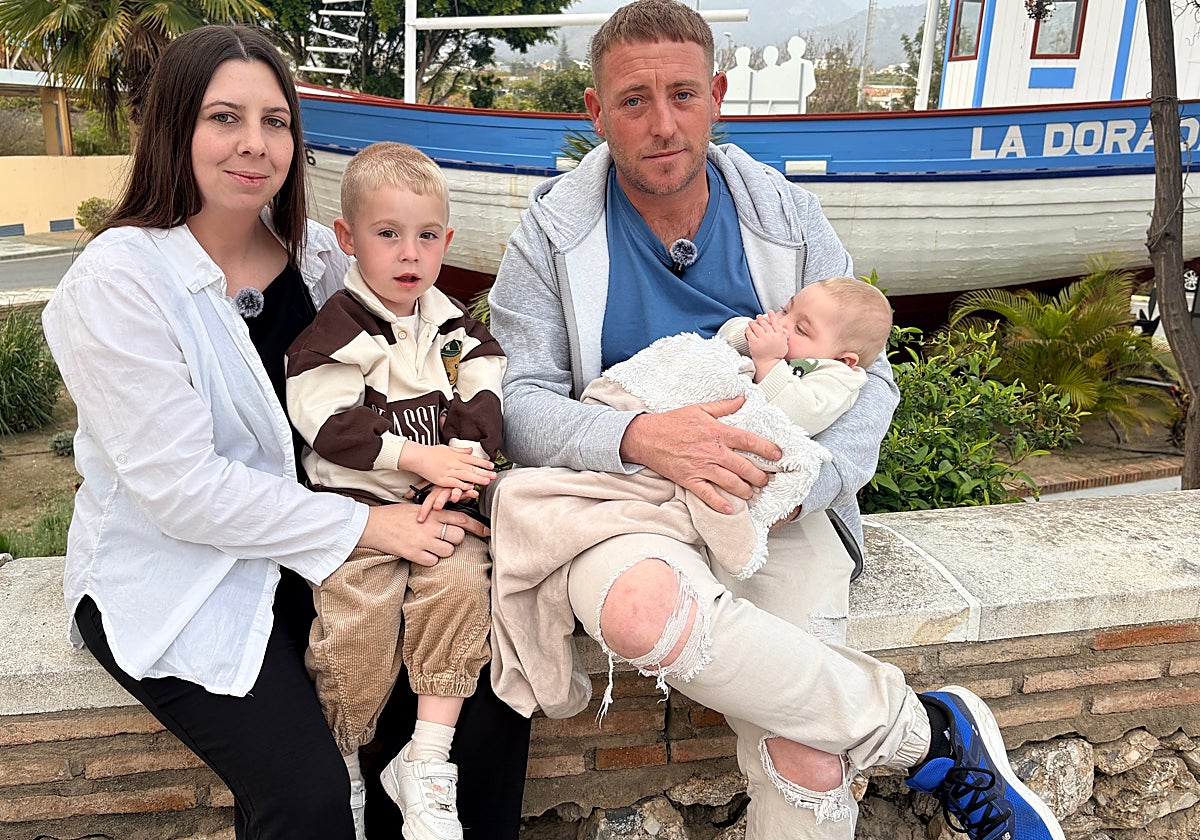

Ylenia and David's life changed overnight on 12 December 2025, when their four-month-old son Nahel started convulsing in their home in the town of Frigiliana.
After days of uncertainty, emergency interventions, tests and waiting, the doctors at Malaga's Hospital Materno informed them that Nahel had IRF2BPL, also known as NEDAMSS syndrome - a very rare genetic neurodegenerative disease with only 40 cases worldwide.
Nahel is now seven months old and his parents are close to reaching their goal of raising enough funds to take him for an experimental treatment in the US. They need 350,000 to get to 1.5 million euros.
Nahel was born on 25 August 2025 in Hospital Comarcal de la Axarquía,. He was a healthy boy and there were no complications during his birth. He has one older brother - three-year-old Kylian.
Ylenia and David are young and hard-working. They own an arts business in the Axarquía district and love their two boys.
Nahel's diagnosis has changed the direction of their life. With only 14 other NEDAMSS syndrome cases in Spain, they have only a few other sources of information regarding the experience. Their days consist of tests, appointments, check-ups and medication to control Nahel's epilepsy.
At El Taller de la Amistad in Nerja, the family go for physiotherapy, neurological stimulation and monitoring.
The disease impacts neurological development. It affects the production of a protein essential for the brain and can cause the loss of basic skills such as talking and walking over time.
Severe symptoms usually appear between six months and ten years of age. Nahel, for example, is seven months old, but his development is more like that of a two- or three-month-old baby.
Ylenia and David look at the future with uncertainty. "We don't know how far it's going to affect him or how he's going to develop," Ylenia says.
Hope
Hope is stronger than uncertainty for this family. They have been raising funds since learning of the experimental gene therapy treatment in the US that could help them slow the progression of Nahel's disease.
Although the treatment does not guarantee cure, it is the only source of hope they have. The problem lies in the costs: 1.5 million euros, which is impossible for a family to save up.
Nahel's family are not alone. They have joined other families in Spain to raise awareness, support each other, raise money and, ultimately, bring the clinical trial to Spain. One of their partners in this initiative is the family of eight-year-old Elena from Granada who also lives with IRF2BPL.
"We don't want to live thinking that we never tried," David says. To achieve this, they have created the association Por la sonrisa de Nahel (For Nahel's smile). Their social media campaign has already touched many people.
Rare disease
Rare diseases affect thousands of people, who often suffer in silence, waiting for a treatment and research. They often rely on the solidarity and kindness of others. As Ylenia and David say, every bit of help counts.
"Nahel's future is not set in stone and we will fight for it," the boy's parents say. While research advances, Nahel's family are fighting their own daily battles.
Those who wish to help, can make donations through a bank transfer (IBAN ES11 2100 5613 8702 0016 4123), writing 'Por la sonrisa de Nahel' as reference.
People can also follow any updates in Nahel's life and research advances on the association's social media.
For seven-month-old Nahel, every gesture means a better chance in life.
![[]](http://static.vocstatic.com/voc26/latest/assets/images/favicon/surinenglish/apple-touch-icon-57x57.png)