
Health
Malaga University researchers design ambitious antiviral strategy against Covid-19
They have created a peptide that blocks SARS-CoV-2 and used a compound that introduces errors during viral genome copying
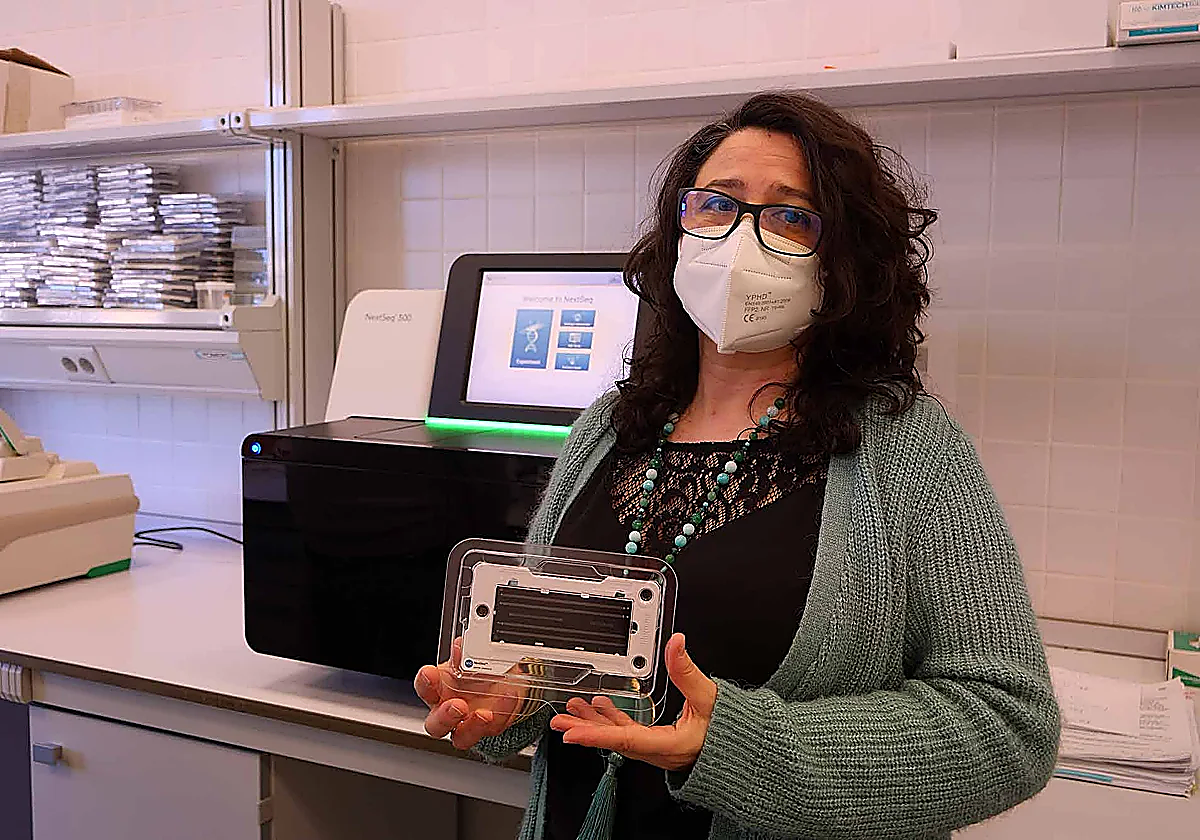
José Antonio Sau
Malaga University (UMA) researchers have achieved a new milestone in the fight against SARS-CoV-2, the virus responsible for causing Covid-19.
A new therapy they have developed combines two complementary approaches, enabling them to attack the virus simultaneously, forcing its instability and hindering its ability to adapt.
The conclusions pave the way for the development of more effective therapies against emerging viruses, as well as for combating new, more resistant variants of coronavirus.
Professor of Cell Biology, Genetics and Physiology Ana Grande is one of the authors of this research. She explained that her team had designed small peptides or protein fragments capable of blocking key viral proteins involved in the replication of its genetic material and evasion of the immune system. On the other hand, they used a compound (5-fluorouracil) that introduces errors during viral genome replication.
Professor Grande said that, independently, both mechanisms "reduce the virus's ability to infect, but when combined they produce a much more powerful synergistic effect".
"While the peptides hinder replication, the compound increases the accumulation of mutations until it leads the virus to a situation of 'error catastrophe', in which it loses virtually all its infective capacity," Grande stated.
Authors of the study
The study is the result of a multidisciplinary work in which, alongside the UMA, researchers from IBIMA Plataforma BIONAND, Hospital Virgen de la Victoria, IDIBE-Miguel Hernández University, the Severo Ochoa molecular biology centre (CSIC-UAM), the Universidad Autónoma de Madrid and the Jiménez Díaz foundation have all participated.
Related story
-
Health
Alfonso Torices
This has allowed them to address the problem from different approaches, from computational design to experimental validation.
UMA has published the results of this work in the Antimicrobial Agents and Chemotherapy journal. They form part of Sergio Ortega del Campo's doctoral thesis, which he has recently defended within the doctoral programme.
![[]](http://static.vocstatic.com/voc26/latest/assets/images/favicon/surinenglish/apple-touch-icon-57x57.png)