
Health
Malaga searches for 'switch' that halts most aggressive phase of blood cancer
Researchers from Hospital El Clínico are trying to target advanced myeloproliferative neoplasms before they accelerate and become acute leukaemias
José Antonio Sau
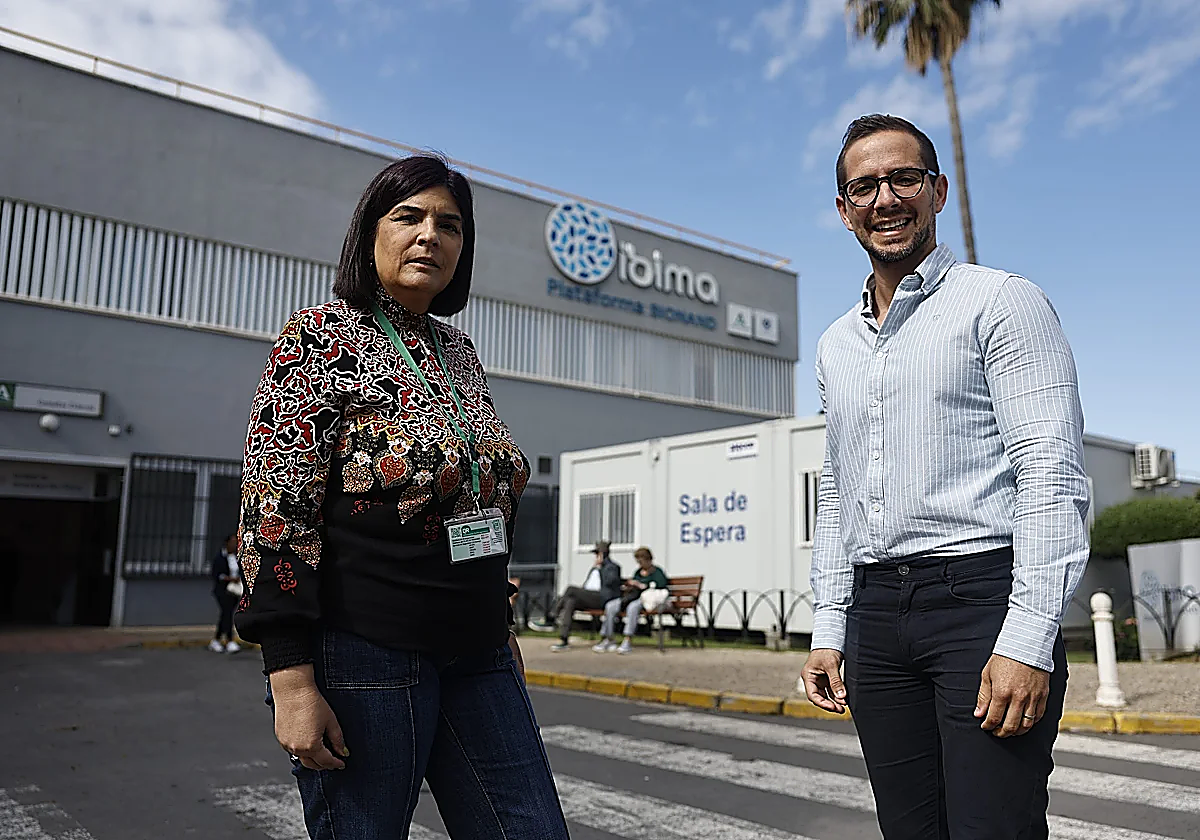
Haematologist Regina García and general practitioner Alejandro Escamilla of the haematology unit at Malaga's Hospital El Clínico are the researchers responsible for a European investigation (IMPACT-IDH1) to find "the switch" that will stop one of the most aggressive blood cancers.
Myeloproliferative neoplasms are blood diseases in which the bone marrow produces blood cells uncontrollably. In many patients, "these diseases can remain relatively stable for years, but in others they progress and enter more aggressive phases".
Both García and Escamilla are referring to patients where the disease begins to lose biological control, more symptoms appear, bone marrow function worsens and the risk of leukaemic transformation increases.
There comes a point when the number of blasts (immature blood cells that are normally present in very low quantities) increases. This is the moment when the disease changes its behaviour. "Patients with five, ten per cent or more blasts enter an alarming phase because they are in a pre-leukaemic state," the researchers tell SUR.
Race against the clock
If the disease progresses to acute myeloid leukaemia, it leads to "the most serious complication with a complex prognosis".
"We're racing against the clock: the disease accelerates, infections, anaemia and bleeding appear and treatment options are limited. In young patients, the only treatment that can potentially cure them is usually an allogeneic transplant (bone marrow transplant from a donor), but not everyone is eligible in time," García and Escamilla say.
Furthermore, some patients, due to age or frailty, are not eligible.
The key to their proposed research is to intervene before the complete transformation into acute leukaemia, "identifying high-risk patients and using targeted therapies and personalised medicine to try to halt this progression".
This is the stage when the disease is most aggressive and patients deteriorate rapidly: they suffer from severe anaemia, infections, bleeding, weight loss, fever, extreme fatigue and, often, a significantly enlarged spleen and functional decline.
Furthermore, these leukaemias are more resistant. Sometimes, patients respond poorly to conventional chemotherapy.
"These are diseases with very complex molecular alterations, often affecting older patients with bone marrow severely damaged by previous illness. This results in a very limited response to conventional treatments and very limited survival," the two researchers say. "That's why we refer to them as tumours with a poor prognosis."
The study's goal is to identify patients with actionable mutations such as IDH1 (a specific genetic mutation) and "target the biological mechanism driving disease progression".
"This represents a paradigm shift: we no longer treat just the name of the disease, we treat the specific molecular alterations that cause the tumour to advance," the researchers say.
The aim is to act in that intermediate phase, when blast cells increase and the transition to leukaemia begins. "Historically, many of these patients reached the blast stage with virtually no effective tools to halt progression," they state.
Dr Garcia points out that it is about "finding that mutation that acts as a trigger to prevent these patients from reaching the point of no return". "We want to find that switch," Dr Escamilla says.
Changing conversations
Their research group presented the project and secured funding of nearly 1.4 million euros. They will collaborate with leading hospitals and institutions in France, Switzerland and Germany, as well as with pharmaceutical company Servier.
Sevier provides the drug to act precisely in the pre-leukaemic phase, rather than when it has already developed into leukaemia, as has been the case until now.
This study positions IBIMA and Hospital Clínico as European leaders in a highly relevant field, one with a significant unmet medical need.
"We're trying to develop a strategy that can change real conversations with real patients. Today, we still have patients progressing to acute leukaemia while we search for a donor or while we lack effective tools to halt the disease. If we can identify them earlier and act with targeted therapies on actionable targets like IDH1, we can begin to change the prognosis for a group of patients who have historically had very few options," they state.
Previously, all patients received the same treatment. "Now we study the specific genetic and molecular alterations of each tumour, which allows us to identify specific targets, that is, mechanisms that the tumour cell uses to grow and use treatments designed to block them," they say.
This leads to more personalised, potentially more effective treatments, less toxicity and better disease management options. "The ultimate goal is always survival with quality of life. In haematology, a cure often begins with something more humble but equally important: halting progression, preventing acute transformation, buying time and allowing for a transplant," the research team says.
Malaga will be the leader of this study that offers hope for patients with one of the blood cancers with the worst prognosis.
![[]](http://static.vocstatic.com/voc26/latest/assets/images/favicon/surinenglish/apple-touch-icon-57x57.png)