
Health
Malaga researchers develop tool to predict which patients can achieve diabetes remission following obesity surgery
Patients with a lower risk of liver fibrosis have a 41 per cent higher probability of remission of type 2 diabetes one year after the surgery
José Antonio Sau
A multidisciplinary team of researchers in Malaga have identified that the liver's condition before bariatric surgery could help assess which patients with obesity and type 2 diabetes are more likely to achieve remission of the latter disease after the procedure.
They have given a new application to the Hepamet fibrosis score clinical calculator: a very simple and non-invasive tool commonly used to estimate the risk of liver fibrosis.
The team have demonstrated that a low liver fibrosis score is associated with the positive progression of type 2 diabetes after bariatric or metabolic surgery.
The Hepamet clinical calculator already existed, but the researchers have applied it to a different matter: to determine whether the risk of fibrosis before the procedure allows for predicting the remission of type 2 diabetes.
Specifically, patients with a lower risk of liver fibrosis have a 41 per cent greater likelihood of type 2 diabetes remission one year after surgery.
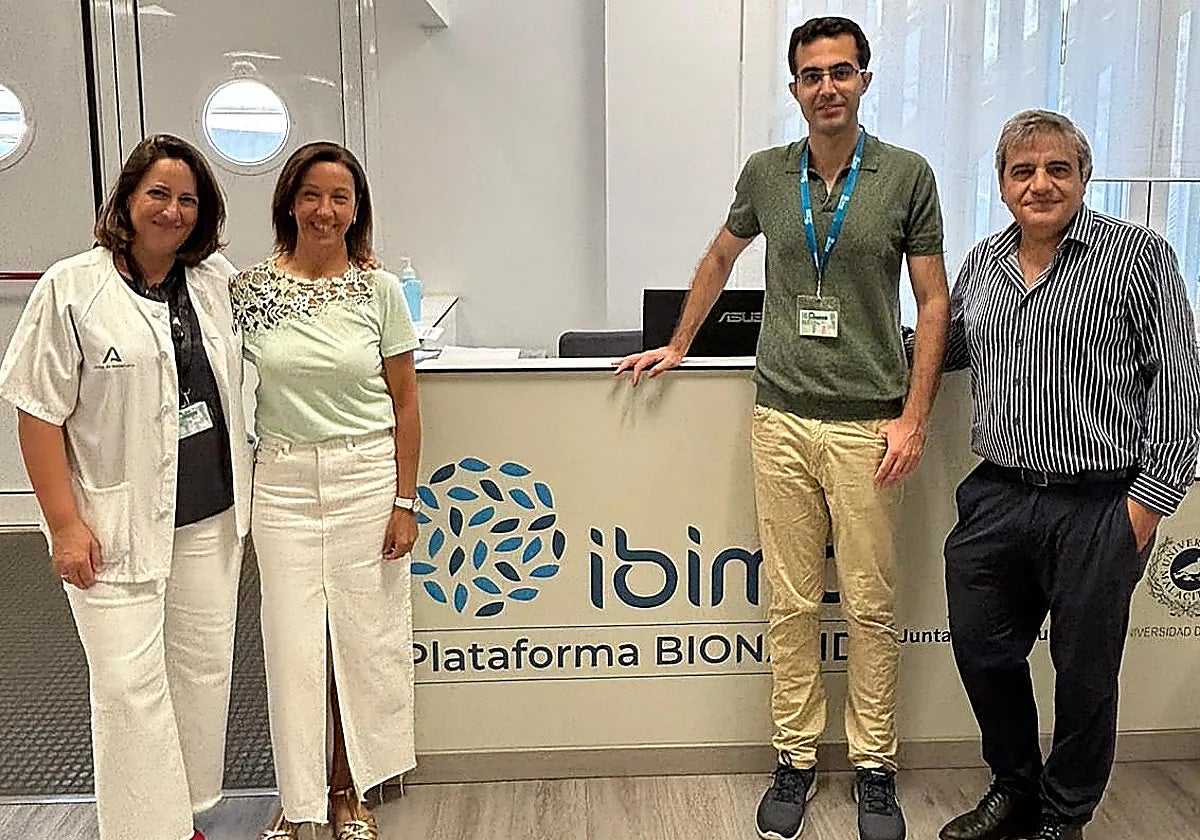
Doctors José Ignacio Martínez Montoro, José María Pinazo, Eduardo García, Lourdes Garrido and Francisco J. Tinahones lead the study, along with a multidisciplinary team of researchers from different research groups at the biomedical research institute of Malaga (Ibima Bionand).
Metabolic surgery
Metabolic surgery is currently one of the most effective treatments of obesity. It can help a high percentage of patients achieve remission of type 2 diabetes.
However, not everyone responds in the same way. This research provides additional data that could help explain why some patients are able to discontinue antidiabetic medication and normalise their glucose levels, while others do not.
Type 2 diabetes and liver disease associated with metabolic dysfunction (known as fatty liver) are closely related. Both share common conditions linked to obesity, insulin resistance and chronic low-grade inflammation. Therefore, the state of the liver can provide valuable information about a patient's overall metabolic health.
In this study, the researchers analysed a cohort of 145 patients with obesity and type 2 diabetes who underwent metabolic surgery. The aim was to determine whether the risk of liver fibrosis before the surgery could be associated with diabetes remission one year after the intervention.
Risk
The results show that patients with a lower Hepamet fibrosis score achieved a higher percentage of diabetes remission. Specifically, 73.6 per cent of low-risk patients achieved remission of type 2 diabetes, compared to 52.1 per cent of those with higher scores on this marker.
The Hepamet fibrosis score does not require invasive tests. It is calculated from standard clinical and analytical parameters, such as age, sex, certain blood test values and other data already included in the patient's medical assessment.
This is particularly relevant because it would allow this tool to be incorporated into clinical practice in a simple, accessible and low-cost way, helping professionals to better assess each patient's metabolic profile before surgery. According to the authors, this marker could complement other known factors that influence diabetes remission after surgery, although further research is needed.
"The results suggest that assessing liver status before surgery could provide useful information for anticipating the progression of type 2 diabetes. In addition to factors such as weight or glycemic control, it is important to consider other determinants to better understand the patient's complete metabolic context," the researchers note.
Review public health, medical care and clinical news
![[]](http://static.vocstatic.com/voc26/latest/assets/images/favicon/surinenglish/apple-touch-icon-57x57.png)