
Health
Malaga hospital launches digital health campaign to prevent screen time risks
The programme includes all four centres within Hospital Regional's complex, with helpful information for both children and adults
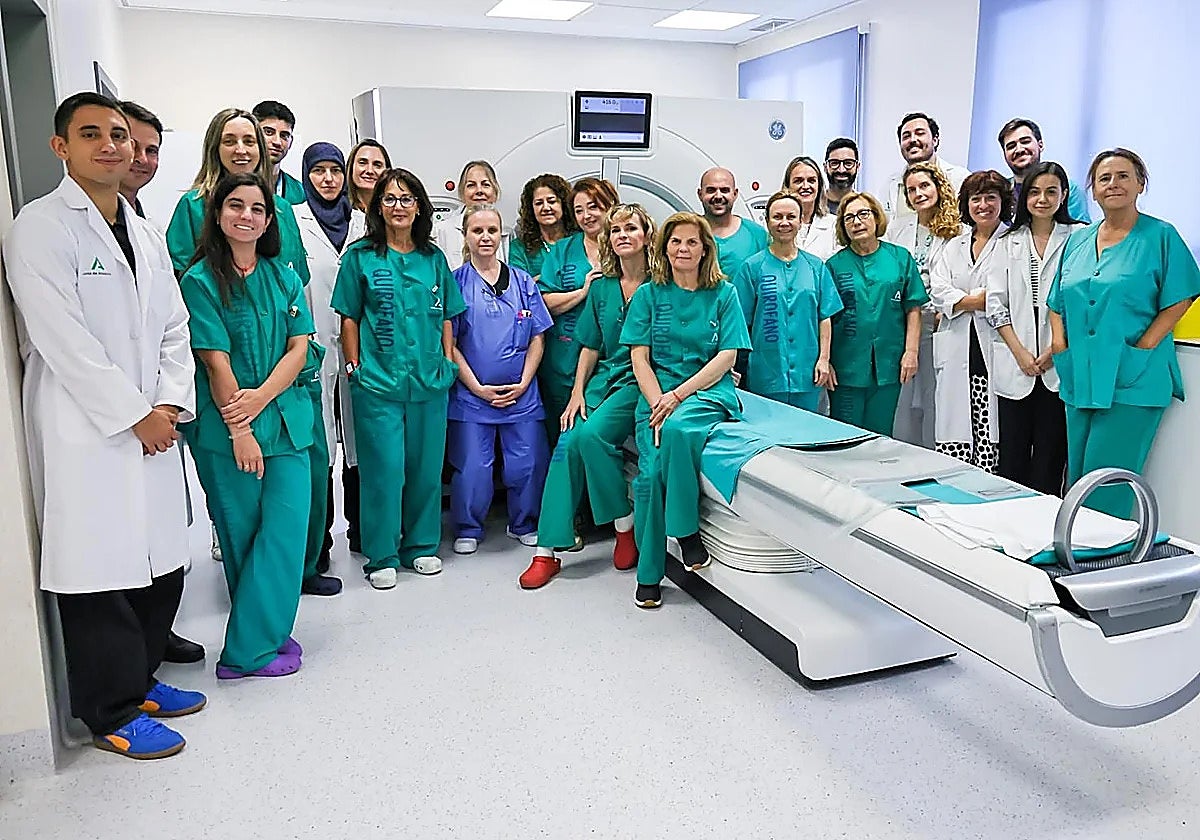
SUR
Malaga's Hospital Regional has launched a digital health project to encourage the public to adopt healthy screen time habits and provide recommendations based on scientific evidence.
This is a cross-cutting project that allows experts from various services and departments to participate.
The initiative involves all four centres within the Hospital Regional health complex: the general hospital, Hospital Civil, Hospital Materno Infantil and the CARE centre.
It includes awareness campaigns, informational materials, professional training and recommendations tailored to different life stages. The goal is to provide the public with clear and accessible information.
Related story
-
-kkzC--366x256@Diario%20Sur.jpg)
Mental health
Tony Bryant
The project will be particularly active at the Materno Infantil hospital, where children's families can receive information on digital health from the moment of the mother's discharge from the maternity ward. The idea is to encourage healthy habits from the earliest years of life.
In parallel, healthcare facilities for adults will incorporate content related to rest, sedentary lifestyles, mental health, attention and balanced use of technology, reminding the public that digital habits are also an important determinant of health throughout life.
The project aims to humanise technology as a way to help hospitalised patients cope with boredom, fear and long hours in the same room. At the same time, however, it offers alternatives, such as reading and drawing materials, analogue activities and low-impact digital resources.
The proposal includes training activities for healthcare professionals, starting with those who have the most contact with children and their families and later expanding to the entire hospital complex. The goal is to facilitate a gradual and consistent integration of digital health recommendations across the hospital's various clinical and educational areas.
New social needs
Hospital Regional's managing director José Antonio Ortega said that this initiative reflects the ability of the hospital's staff to identify emerging social needs and transform them into projects that benefit patients and families.
He also noted that digital health is an emerging field "that we must address through health promotion, prevention and a humanised approach, always guided by scientific criteria and placing people at the heart of care".
Head of the hospital's radiodiagnosis service Beatriz Asenjo said that digital health represents one of the "great emerging challenges of public health and requires a coordinated response from health institutions".
Neuroradiologist María Vidal stated that digital health is now a determinant of health that affects people's daily lives and the development of children and adolescents. She said that the goal of this project is not to demonise technology, but to help families and society use it in a healthier, more conscious and balanced way.
Vidal explained that the initiative stems from the need to communicate scientifically supported recommendations to the public and help parents understand them. "Healthcare workers have an opportunity to support and guide the public in an increasingly digital environment," she stated.
Several international scientific studies have identified associations between certain screen usage patterns and parameters related to brain connectivity, white matter and cortical morphology during key developmental stages. This evidence has spurred new lines of research into the impact of digital environments on health.
Hospital Regional's radiology department works in this field, boasting extensive experience in neuroimaging and three MRI scanners, one of which is a 3-tesla scanner. Its clinical activity exceeds 30,000 scans annually, of which approximately 60 per cent are brain studies.
Review public health, medical care and clinical news
![[]](http://static.vocstatic.com/voc26/latest/assets/images/favicon/surinenglish/apple-touch-icon-57x57.png)