
Health
Malaga hospital forced to cancel surgeries due to 20 per cent shortage of anaesthesiologists
The hospital's management said that it had made the necessary emergency hires to minimise the impact
José Antonio Sau
Malaga
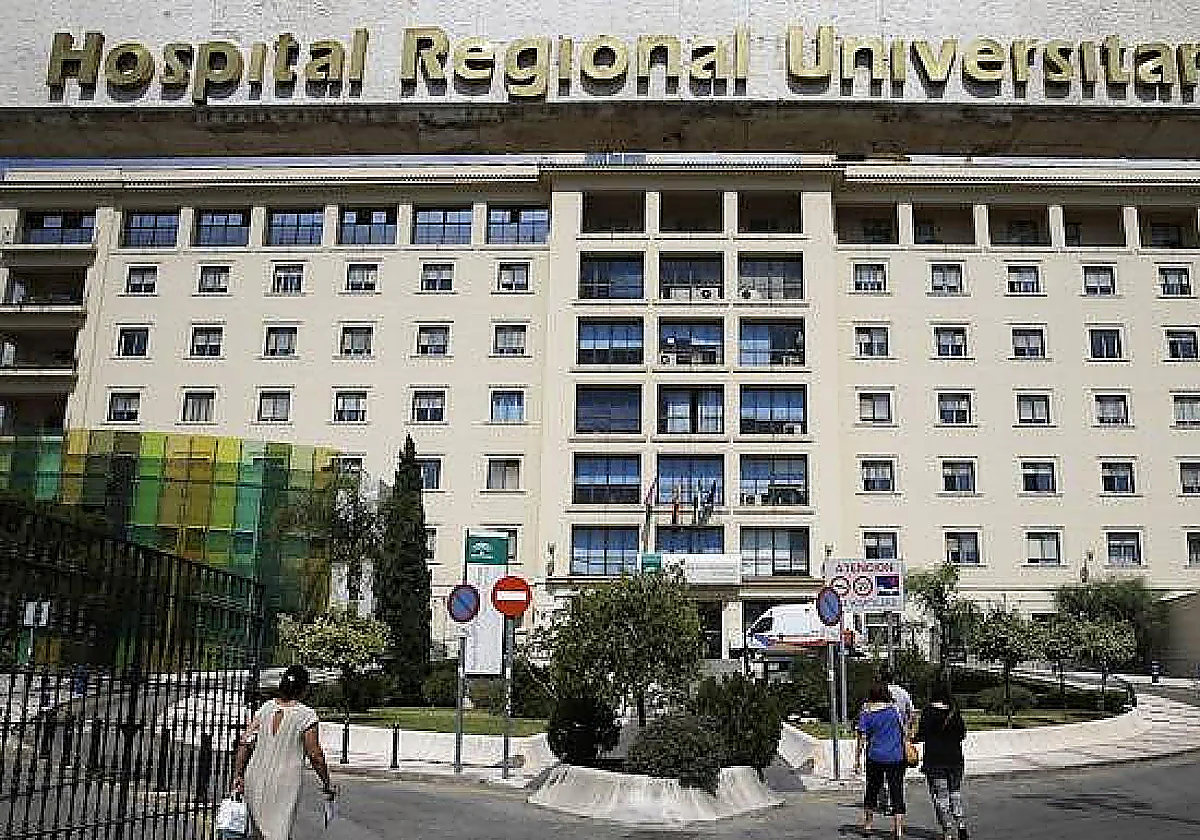
A total of 19 anaesthesiologists at Malaga's Hospital Regional (HRUM), out of the nearly 100 on staff (20 per cent), are currently on medical leave, which has forced the suspension of surgeries. Five health sources have confirmed this, although they were unable to tell SUR the exact number of cancelled surgeries.
The figure takes on greater significance when one considers that, in April, there were only four anaesthesiologists on leave.
The 19 anaesthesiologists in question work at Hospital Regional itself (14) and at Hospital Materno Infantil (five), which is part of the same health complex.
Union sources specified that ten anaesthesiologists are pregnant, while another ten are awaiting surgery or dealing with illness, among other reasons. The hospital reportedly hired five new professionals on Monday. Healthcare sources also estimate that there are another 20 specialists with reduced hours.
The hospital's management has assured that it is making hires to maintain overall healthcare activity.
Some healthcare sources denied any connection between the suspension of afternoon surgeries and staff shortages, attributing it instead to anaesthesiologists' protest against the framework statute, which has reportedly led professionals to refuse overtime or voluntary afternoon shifts, working only the legally mandated hours.
However, other sources directly linked the surgery cancellations to existing staff shortages.
Fewer operating theatres
In addition, sources told SUR that "there are fewer operating rooms available" during these weeks at the complex.
With regard to the hires, sources described them as "emergency hires". Currently, the staff in the anaesthesia unit is 79 people, although this number varies depending on the source.
Various unions corroborated the data concerning 19 medical leaves and stated that Materno Infantil has cancelled "all afternoon gynaecology and breast surgeries for June", which impacts "between 15 and 20 patients". One example is that of a woman who was to undergo a mastectomy on Thursday but couldn't due to cancellations, although official sources have denied this.
No "hidden" agenda
Malaga health sources stated that "there is no hidden agenda behind these absences, they have simply coincided" with the strong stance of anaesthesiologists in Madrid and other regions like Murcia, who have refused to work overtime and voluntary hours (in the afternoons).
The same sources acknowledged that some specialists in Malaga had considered following suit, both in protest against the Framework Statute and to put pressure on the regional government, but ultimately "they were not going to do so, at least for the time being". Other sources previously consulted by SUR claimed that this "hidden strike" had in fact forced the cancellation of operations.
Other specialists joined the growing discontent. Many said they felt exhausted by the controversy surrounding the framework statute the Ministry of Health is preparing. Doctors wanted to end 24-hour on-call shifts, count overtime towards pension entitlements and secure higher rates of pay for extra hours, among other improvements.
Many also pointed to the working conditions imposed by regional health authorities and to a chronic workload that had left staff increasingly overstretched.
The hospital's response
Hospital Regional said that the anaesthesiology and department "continuously adjusts staffing levels to meet the hospital's healthcare needs through ongoing workforce planning". As in any large organisation, "sick leave cases change constantly and management addresses them on an ongoing basis through reorganisation and cover arrangements that allow healthcare activity to continue".
The hospital said it maintained "an active policy of covering absences and vacancies, recruiting staff whenever necessary to guarantee continuity of care in surgery, outpatient consultations and diagnostic procedures".
Hospital management and department heads coordinate these appointments according to healthcare needs and the availability of specialists, the hospital added.
"The hospital continuously monitors staffing levels and introduces whatever organisational measures and reinforcements prove necessary at any given time to ensure the quality, safety and accessibility of healthcare services provided to the public," the hospital told SUR.
"The hospital continues to operate normally and management is making any organisational adjustments with the aim of minimising the impact on patients and guaranteeing healthcare provision," the hospital concluded.
The current shortage of available specialists has made it particularly difficult to recruit anaesthetists in recent days.
![[]](http://static.vocstatic.com/voc26/latest/assets/images/favicon/surinenglish/apple-touch-icon-57x57.png)