
Health
Malaga endocrinologist urges women to take measures against gestational diabetes
According to Dr Picón, planning the pregnancy well and taking certain lifestyle steps can significantly help manage the disease
José Antonio Sau
Gestational diabetes is hyperglycaemia that first appears during pregnancy. This condition accounts for 30 per cent of the consultations and treatments at the diabetes outpatient service of the El Clínico hospital in Malaga.
Ten per cent of pregnant women suffer from it and it is vital to detect and treat it early, as endocrinologist Dr María José Picón tells SUR.
The main types of this disease are type 1 and type 2. Type 1 is an autoimmune condition where the pancreas stops producing insulin, requiring the patient to inject it permanently. It is not related to lifestyle habits and usually appears suddenly in children and young adults.
Related story
-
Health
José Antonio Sau
Type 2 occurs when the body does not use insulin effectively or does not produce enough, which is associated with obesity and a sedentary lifestyle. It is more common in adults. This type can be managed with diet and exercise. A specific form, gestational diabetes, can also appear during pregnancy.
Hyperglycaemia
"It could be a woman who already had diabetes before pregnancy and is part of that 50 per cent of the population that is undiagnosed with type 2 diabetes or it could be that the pregnancy itself has triggered hyperglycaemia," Dr Picón says.
There are more risk factors. "The most significant is obesity. A woman who has previously had a child with macrosomia, that is, a child who was born with more weight than is normal (generally the threshold is four kilos) or who has had gestational diabetes in previous pregnancies is at risk of developing it," Dr Picón says.
Lifestyle is essential in treating this disease. Pregnant women, just like everybody, need to exercise and implement dietary control. It isn't about diets, because a pregnancy is not the time to lose weight, even if the mother needs it in general.
What can help is creating a meal plan that helps the pregnant person recognise foods that raise blood glucose levels. "In addition, capillary blood glucose monitoring can verify that these measures are producing results in terms of glucose levels," Dr Picón says.
If lifestyle changes aren't enough, medication becomes necessary. "Gestational diabetes involves high levels of glucose in both the mother and the foetus: a baby who receives too much glucose is like someone who overeats. We're talking about macrosomia or babies who are large for their gestational age. Excess weight causes many problems during childbirth. These difficulties are avoidable with proper diagnosis and treatment," the endocrinologist says.
In the long term, one in two women who have had gestational diabetes will develop type 2 diabetes within ten years, making prevention crucial. Furthermore, it leaves a genetic imprint on the child, predisposing them to this disease and cardiovascular problems in adulthood.
Dr Picón treats between 250 and 300 women. She says they are also discovering women during pregnancy who have a predisposition to type 1 diabetes and are therefore diagnosed at that time. "They already have the immune process of type 1 diabetes under way," she points out.
Innovations
There is now a huge surge in therapeutic innovations, for example, for women who already have diabetes before pregnancy (type 1 or 2) and want to become pregnant.
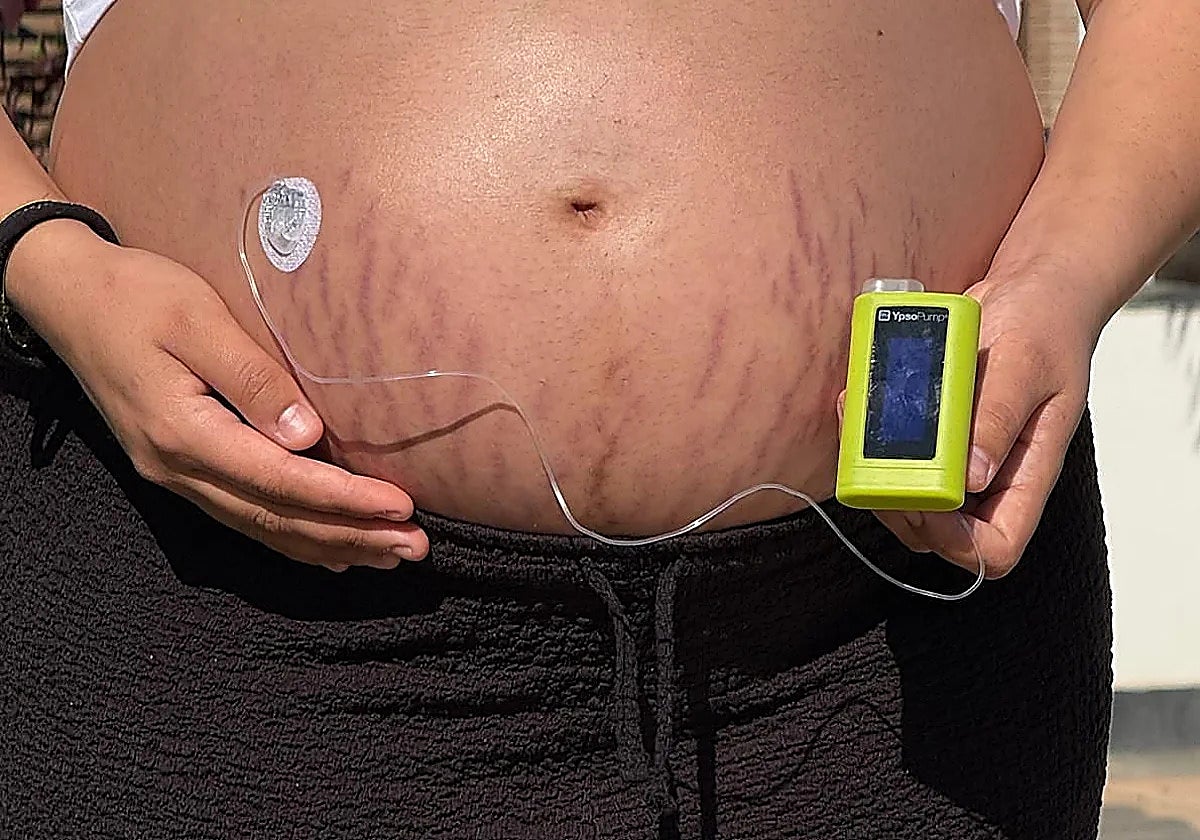
"If they express their desire to conceive, we can offer them an automatic insulin infusion system, which drastically changes the prognosis for both mother and foetus. Nowadays, we offer it to all women with type 1 diabetes, even during pregnancy," Dr Picón states.
The endocrinologist urges women to go to the outpatient clinic and speak to a doctor about their condition. It is enough to say: "Hello, I have diabetes, I want to be a mother."
"We offer them the automatic insulin infusion system in a routine way in consultation," Dr Picón explains.
"If we've said that the main risk factor for gestational diabetes is being overweight or obese, we need public health strategies so that women of childbearing age can plan their pregnancies and adopt a healthy lifestyle that allows them to start pregnancy at the best possible weight, improving the prognosis. This type of diabetes isn't about diagnosing it, it's about managing it," she says.
As for type 1 pre-gestational diabetes, doctors can "prepare the mother, empowering her to manage an absolutely unstable situation like pregnancy, where insulin needs are different each trimester". "Facing this stage with type 1 diabetes is very difficult from a psychological point of view, even before pregnancy. We must work towards healthy motherhood," Dr Picón says.
In the specific case of pregnant women, the use of this technology depends entirely on the type of diabetes. For gestational diabetes (diabetes that develops for the first time during pregnancy), standard treatment does not include these automated systems.
Instead, they are routinely reserved for pregnant women with pre-existing diabetes (especially type 1). For them, the technology represents a radical change, as the device constantly measures glucose levels and automatically adjusts the insulin dose, responding to the metabolic instability of each trimester of pregnancy.
![[]](http://static.vocstatic.com/voc26/latest/assets/images/favicon/surinenglish/apple-touch-icon-57x57.png)