
Health
Malaga doctor writes emotional letter to young woman before her euthanasia
"The worst thing in life is not losing life itself, but losing the right to end it," doctor and author Juan Manuel Jiménez Muñoz writes in his Facebook post
José Antonio Sau
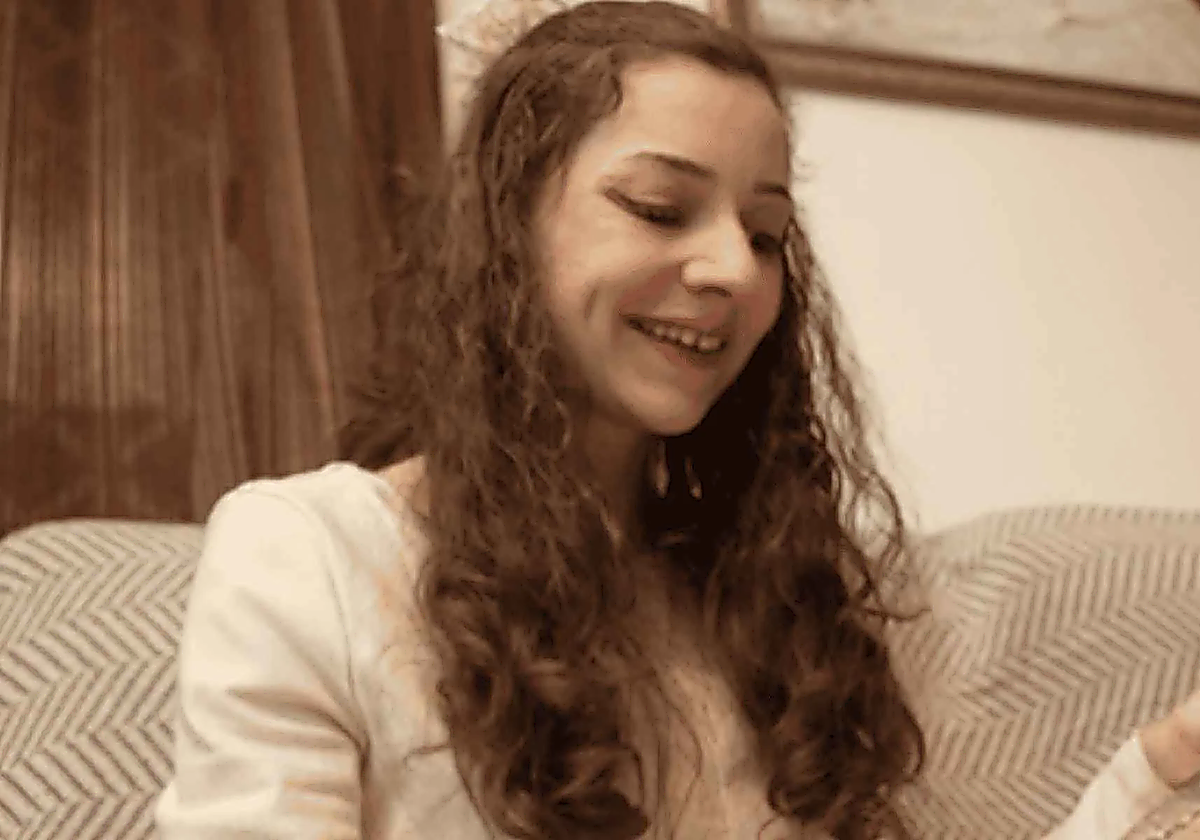
Noelia Castillo, a 25-year-old woman from Barcelona, will receive euthanasia on 26 March after a long legal battle. She has suffered from paraplegia and persistent chronic pain for almost four years. In October 2022, Noelia jumped from a fifth-floor balcony after suffering a group sexual assault.
Doctor and writer Juan Manuel Jiménez Muñoz from Malaga addresses the young woman in an emotional letter on his public Facebook profile, where he reflects on her decision from a personal perspective: "The worst thing in life is not losing life itself, but losing the right to end it."
The letter is permeated by a profound philosophical reflection on the meaning of life.
The case has reopened the debate on euthanasia in Spain. In 2021, the government made euthanasia legal for people with severe, chronic and disabling conditions. Only medical and judicial assessments can lead to the authorisation of the procedure.
Dr Jiménez Muñoz begins his letter reflecting on the young woman's life: "Your life has not been easy: at 13, you were separated from your parents and sisters because your family lacked financial resources. You entered a foster care institution and suffered multiple depressive episodes. During one of them, you jumped from a fifth-floor window and were left paraplegic, wheelchair-bound and in unbearable pain. You have decided to end your life. I respect and understand it."
"I understand it"
Jiménez Muñoz recounts the story of one of his brothers, who ultimately decided to leave - something that deeply affected him. "Although I don't applaud or encourage your decision, I can tell you that I understand it."
"Life is important, of course. But what's important isn't having many years, but rather living a full life. It becomes full when the soul has regained possession of and dominion over itself," he says, quoting Roman emperor Claudius and Seneca.
"One afternoon, my brother said goodbye to me. He didn't say it in those words, of course. But he said goodbye. We were chatting in the park and he said goodbye. As he did, he gave me a kiss. I looked at his face. He looked at me too," the author says.
Later, Jiménez Muñoz says that "the greatest favour the eternal law has done us is to give us only one entrance into life, but many exits". "Those who live well, let them continue. Those who live in despair, let them fight," he says.
"Some will say you lacked courage. Others, that you acted too hastily. Others, that they know a more dignified method. Nonsense. What you're dealing with is a matter in which there's no room for questioning. Whatever you do, there will always be those who criticise you," the doctor writes.
Jiménez asks: "What worse thing can we lose in life than the right to end it?". He makes clear his position on euthanasia and the right to request it.
A taboo topic
The writer spoke to SUR on Thursday morning. He said that the inspiration behind writing the letter is his personal life. "I have a very deep understanding of mental illness in my personal life: my father had mental problems, one of my brothers is in an institution after trying to take his own life and another brother succeeded."
He has advocated for the topic to become a matter of public discourse. "This issue deeply affects me. I understand the young woman's position. I don't encourage it in the slightest, nor do I intend to say that this is the solution, nor would I myself help anyone die out of pure pity. But I do commend the doctors and nurses who, voluntarily, because the law allows the right to conscientious objection, perform an act of charity, because sometimes cases are incurable."
"This is a taboo topic, one that is rarely discussed. These issues need to be addressed, without encouraging them. Discussions should start from acknowledging that one's decision to take their own life or abortion are failures of the social system," he says.
"I agree with euthanasia, with it being regulated, with professional committees that say yes or no," Dr Jiménez Muñoz says. For him, "the crux of the matter" lies in "the freedom to leave".
His position is well known. His novel Libélula invisible (Invisible Dragonfly, 2024) discusses the topic from the stance of his family's history.
![[]](http://static.vocstatic.com/voc26/latest/assets/images/favicon/surinenglish/apple-touch-icon-57x57.png)