
Health
Malaga's Clínico hospital treats 60 patients with ALS as part of multidisciplinary programme
The hospital brings together patients, carers and specialists to coordinate the support network, clinical trials and home-based care
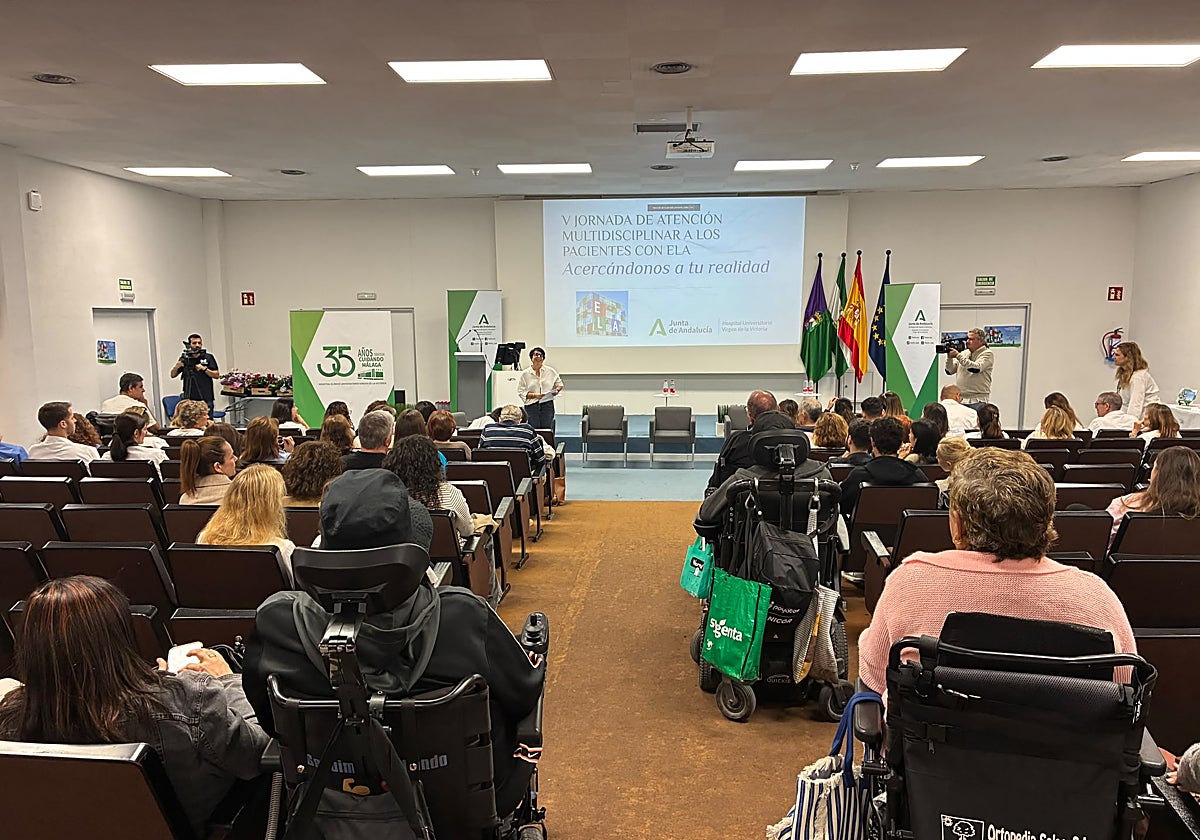

The Clínico Universitario Virgen de la Victoria hospital in Malaga city is treating 60 patients with amyotrophic lateral sclerosis, better known as ALS, through its ... multidisciplinary programme.
ALS is a serious, progressive and fatal neurodegenerative disease in which the motor neurons responsible for controlling voluntary muscles become paralysed and die. This leads to a gradual loss of the ability to walk, speak, swallow and breathe, while the patient's mind, senses and intellectual capacity remain intact and they remain fully aware of the entire process.
Healthcare experts from almost all medical specialities, including both nurses and doctors, are involved in the care of ALS patients. In Malaga province, there are just over 100 cases.
This working group has been in operation for over 15 years, coordinating appointments between the specialists to ensure comprehensive care that minimises unnecessary trips to hospital as far as possible.
On Wednesday, El Clínico brought together patients, family members, carers and experts. Under the slogan 'Getting closer to your reality', the main aim of the event was to address the most pressing questions about this disease, as well as to share different experiences from a multidisciplinary perspective.
Comprehensive approach
Following the opening ceremony, the day's programme included discussions with the goal to comprehensively address the clinical, emotional and social needs of patients.
The first panel discussion addressed the organisation of patient care at home. A video patients and their families had produced illustrated the everyday challenges of living with ALS.
The second panel delved deeper into the latest scientific developments with a presentation on current clinical trials.
The third panel discussion focused on collaboration with patients' organisations and available resources. Representatives from various organisations took part.
The fourth panel discussion raised a series of questions from patients, which a multidisciplinary team comprising specialists in neurology, rehabilitation, respiratory medicine, mental health, palliative care, respiratory physiotherapy and primary care answered. The session concluded with an interactive activity using Kahoot to encourage participation from those present.
The organisers of this event were unanimous in emphasising that conferences such as this one strenghten the hospital's commitment to humanising care and creating spaces for active listening. At events such as this, healthcare professionals, patients and their families work hand in hand to improve quality of life and the general well-being of those affected by the illness and those around them.
