
Health
Got hay fever? You can still exercise outside - a few tips
Sunny and mild outside? Might be a great day for a run or a bike ride - except if you have hay fever and are worried about the pollen count. Here's how those with allergies can plan a workout - and why that shower at the end is doubly important
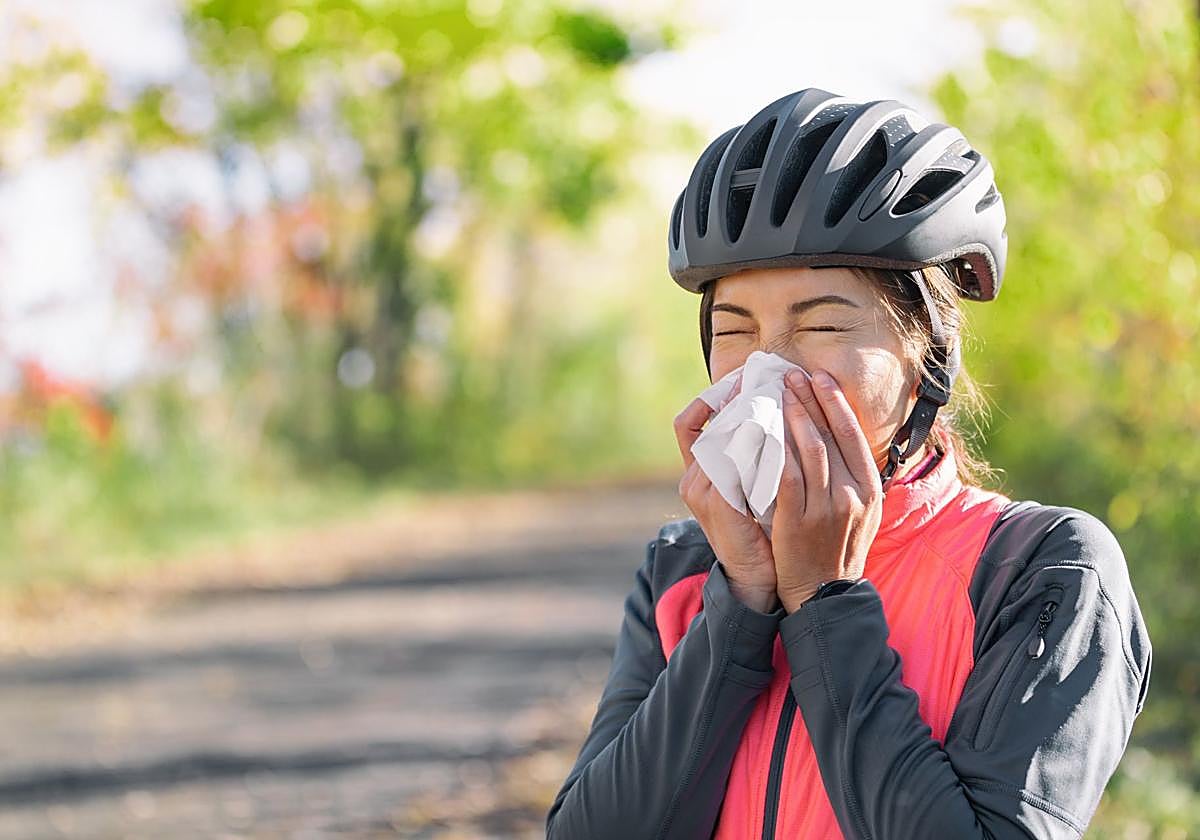
Ricarda Dieckmann, DPA
Anyone with a pollen allergy knows that even the most beautiful running or cycling route is of little use when your eyes are itchy, your nose is running and you’re struggling to breathe.
Still, there are a few things hay fever sufferers can do to make outdoor training a bit more bearable.
Exercise in the morning or evening? It depends
Christoph Raschka, a professor of sports medicine at the University of Würzburg in Germany, advises checking the pollen forecasts. Is the pollen map showing red for hazel, which always gives you nasty sneezing fits? Then it’s worth considering postponing your training or moving it indoors - perhaps to the treadmill at the gym.
The severity of pollen levels also depends on the time of day. In the city, pollen levels are lowest in the morning between 6am and 8am. So it can be a good idea to lace up your trainers early in the day.
But that's different in the countryside, where pollen concentrations are lowest between 6pm and midnight.
Still these are only rough guidelines. Plant species, geographical location and weather conditions can cause pollen levels to behave quite differently locally.
“For example, if it has just rained, the air is usually less polluted with pollen,” says Raschka.
Finally, the choice of running or cycling can make a difference. Does the route take you through a coniferous forest? That's good. Allergy specialists say there is less pollen there than at the edges of meadows or fields. Alternatively, there’s always the option of heading to or into the water: when sailing, surfing, swimming or stand-up paddling, you’re exposed to only a low pollen count.
From 0 to 100 in training? Not a good idea
Your sports kit is ready, so you’re good to go? Then there are a few more things to bear in mind.
Before training, sports physician Raschka advises rinsing your nose with a little saline solution or using a seawater nasal spray. This helps athletes breathe more easily through their nose.
Another helpful tip: “Anyone suffering from allergy-related eye irritation should definitely protect their eyes with sunglasses,” says Raschka.
During training going from zero to 100 is not advised, as a sudden increase in exertion can be too much for the respiratory tract. That’s why hay fever sufferers in particular should not skip the warm-up.
It is also important to listen to your body’s signals. “If you’re struggling to breathe, you should definitely adjust the intensity of your training. In other words: don’t go full throttle, but opt for gentler sessions with more breaks,” says Raschka.
If you feel like your performance has dropped, this could also be down to allergy medication. Antihistamines can cause tiredness as a side effect.
And after training? Your impulse to drag your sweaty body to the shower is a good one, as it will ensure you carry as little pollen as possible in your hair or on your clothes for the rest of the day.
![[]](http://static.vocstatic.com/voc26/latest/assets/images/favicon/surinenglish/apple-touch-icon-57x57.png)