
Health
Seventy per cent of COPD cases in Spain go undiagnosed, warns Malaga pulmonologist
Head of respiratory medicine at Hospital Clínico estimates condition affects up to 30 per cent of local population as patients subconsciously limit activities to avoid breathlessness

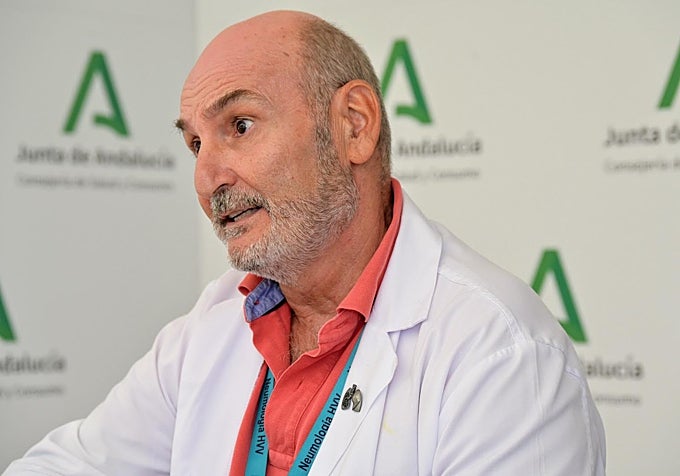
The head of the pulmonology department at the El Clínico hospital in Malaga, José Luis Velasco, cited chronic obstructive pulmonary disease (COPD) on Friday as ... an example of an underdiagnosed condition within his speciality.
"The clearest example is COPD. In Spain, there are epidemiological studies indicating an under-diagnosis rate of close to 70 per cent," he told Sur on World Lung Day (25 September).
"We see it in our practice: the patient starts to limit their activities. They continue feeling short of breath, but as they are no longer doing that particular activity, they no longer feel short of breath. They restrict their activity, but the condition goes undiagnosed," Dr Velasco said.
"We often put it down to shortness of breath, a cough, tiredness, age, being overweight or smoking. Here, fundamentally, the clearest example is COPD."
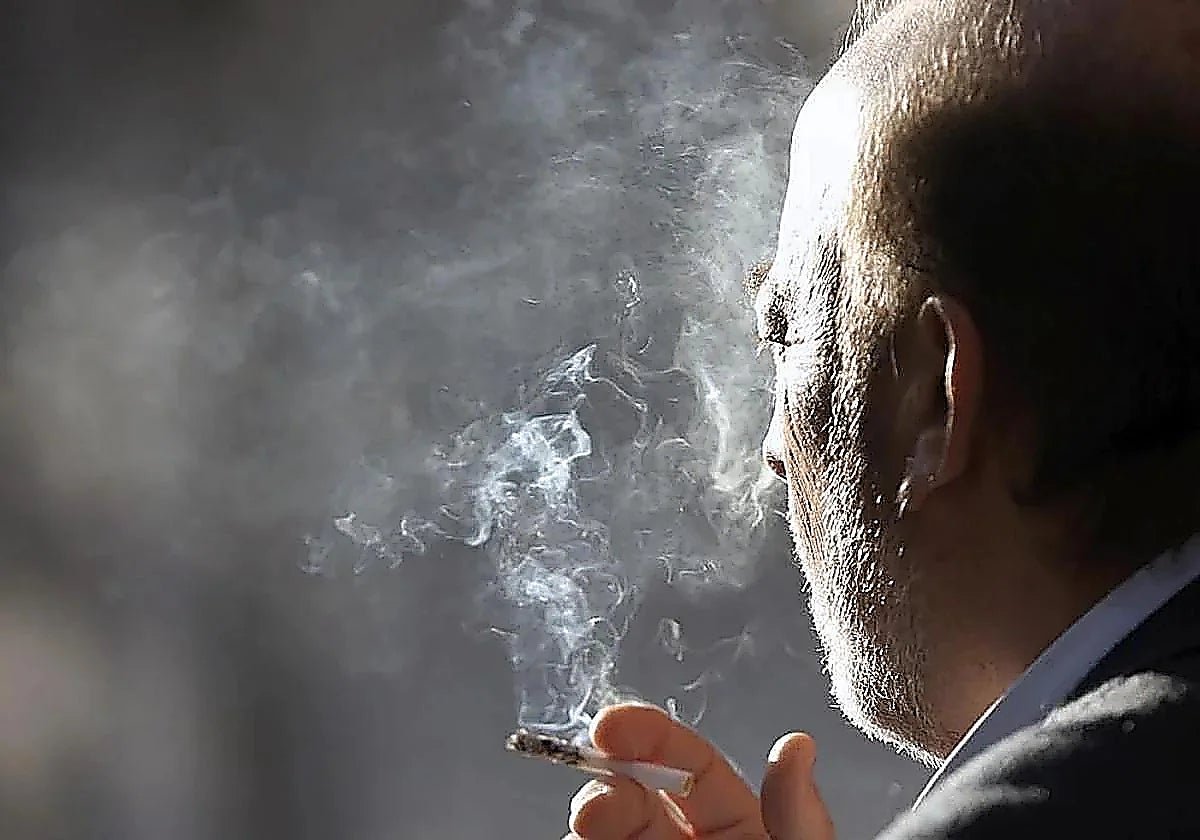
Most of these cases (over 90 per cent) are linked to smoking. "As the patient enjoys smoking, the last thing they want to hear is that they must give it up. By then, it's too late," Dr Velasco stated.
COPD is a respiratory condition that causes persistent obstruction of airflow through the lungs and is usually linked to smoking. Its most common symptoms are shortness of breath, particularly during physical exertion, a chronic cough, phlegm, a feeling of suffocation, wheezing and fatigue. Patients often gradually reduce their activity levels to avoid this shortness of breath, which means the condition can go unnoticed and be diagnosed late.
Dr Velasco said that, "when a disease is diagnosed at a late stage, what you need are effective respiratory treatments, but by then the damage is already irreversible".
The main risk to respiratory health, he stated, is undoubtedly smoking. "It increases the likelihood of developing various cancers, not just lung cancer. There's laryngeal cancer, stomach cancer and others. It's also linked to the number of cigarettes smoked," he said.
"There's no lower limit that exempts you from being a risk factor. Not just for cancer, but also for sudden death. To think that just because I smoke one cigarette a day, nothing will happen… Well, it does," Dr Velasco said.
He highlighted lung cancer's rise among women. "Ten years ago it wasn't as common, because women took up smoking later than men, but now we are indeed diagnosing more cases of lung cancer," he stated. "As women have taken up smoking in the 1970s, 1980s and 1990s, the incidence of lung cancer has also risen proportionally."
Vaping
Dr Velasco is also concerned about the use of e-cigarettes. "I'm concerned about vaping, because the widespread message is that it's harmless, when the World Health Organization is clear that it isn't. We have evidence that it causes lung damage, but respiratory disease, just as was the case with tobacco in the past, won't become apparent until after 20 or 30 years of exposure," he said.
"If you test these patients to assess the condition of the pulmonary basement membrane, you can see that there are abnormalities," he said. Some young people start vaping at the age of 12 or 13.
"We are seeing medical conditions in young people for which we cannot identify any other cause but vaping. But we cannot establish a direct link, because the number of cases is not particularly high," Dr Velasco said.
There are other underdiagnosed lung diseases. "Here we can cite diffuse interstitial lung diseases as the main condition, that is to say, pulmonary fibrosis. It may present only with a slight dry cough and mild exertional breathlessness, while irreversible scarring is already taking place in the lungs. Due to their age, patients tend to limit their activity and by the time they are diagnosed, it is far too late. Diagnosis needs to be made earlier," he stated.
On another note, he believes it is essential to have an early cancer screening programme, as is the case with breast and bowel cancer. "There are advanced studies in this area, aimed at determining whether a cost-effective programme is feasible," he explained.
"We are entering a new era in the treatment of respiratory diseases: personalised, precision treatment already exists. The clearest example of this is biological therapies for asthma, where we are targeting specific pathways in specific individuals," Dr Velasco said. This personalised medicine has also reached COPD: mepolizumab and dupilumab.
Is pollution a respiratory risk factor? "There have always been cases of lung cancer in people who have never smoked. The main factor is tobacco, but second-hand smoke has always been a factor. There are also occupational exposures such as asbestos and excessive air pollution," he added. That said, there are genetic and biological factors that can contribute to the condition.
Obesity
Obesity "contributes to sleep apnoea". It has long been thought that obesity puts a strain on the heart and the joints, but it also affects breathing. In the long term, the lack of sleep and the strain on the lugs lead to a higher incidence of cardiovascular disease," Dr Velasco said.
According to him, we must prioritise prevention. "Respiratory health begins, practically speaking, while we are still in our mother's womb," he explained, estimating that between 20 per cent and 30 per cent of people could have respiratory problems.
In the future, he said, there will be patients with illnesses linked to poor air quality. As for Covid-19, "it has now become the new normal and the infections that have always been around, such as the flu, are still present". This is why Dr Velasco encourages people to get vaccinated.
![[]](http://static.vocstatic.com/voc26/latest/assets/images/favicon/surinenglish/apple-touch-icon-57x57.png)