
Health and wellness
Beyond the scales: the waist circumference that signals a real risk of a heart attack
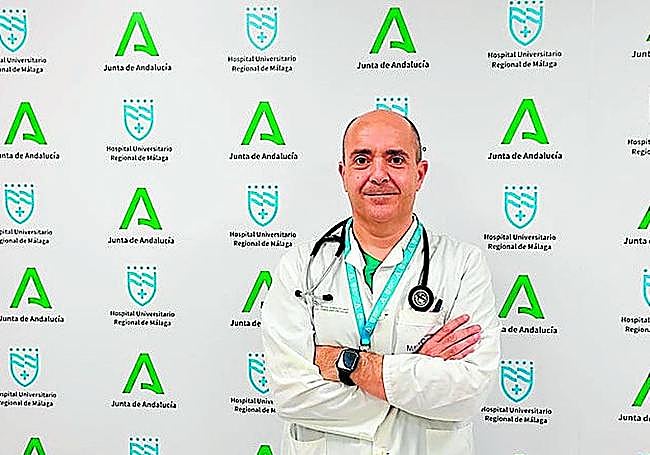
Cardiologist Daniel Gaitán is clear on this: “What matters is not how much a person weighs, but where that fat is stored.”
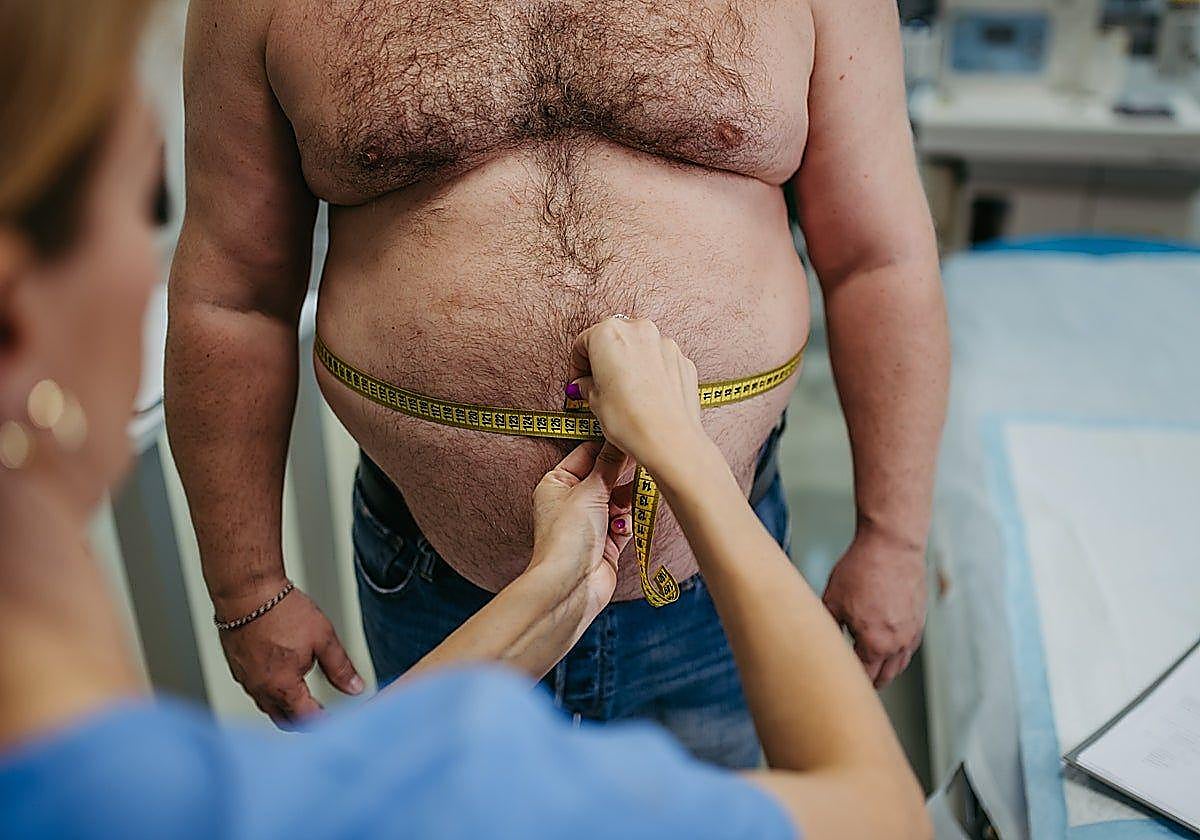

According to experts’ estimates, around 350,000 people in Malaga are obese and a further 700,000 are overweight. Obesity is linked to more than ... 220 health conditions, including those related to cardiovascular and cerebrovascular events. However, the scales are no longer the only factor to consider in the battle against excess weight and, above all, cardiovascular risk. It is no surprise, then, that specialists are now paying very close attention to what is known as visceral fat. It is no longer just about weight, but also about waist circumference, warns the head of the Cardiology and Cardiac Imaging Department at Malaga Regional University Hospital and coordinator of Cardiology at HM Territorial SUR.
“We cardiologists are paying ever closer attention to visceral fat – the fat that accumulates around the internal organs and increases the risk of heart attack, stroke, diabetes and heart failure, even in people of apparently normal weight,” he notes.
What is visceral fat?
“Visceral fat is the fat that accumulates around organs such as the liver, pancreas or intestines. Unlike the fat found beneath the skin, known as subcutaneous fat, visceral fat produces substances that disrupt the body’s normal functioning: it contributes to high blood pressure, diabetes, high cholesterol and the formation of fatty plaques in the arteries,” explains Dr Gaitán, who points out that this is no longer merely a cosmetic issue, but rather that this type of fat is one of the main factors increasing the risk of a heart attack, a stroke or heart failure. Almost 60 per cent of people in Malaga, therefore, are obese (two in ten) or overweight (almost four in ten), which gives an idea of the scale of this public health problem.
Waist circumference is therefore the most useful measure for estimating excess visceral fat. “In men, cardiovascular risk begins to rise when the waist circumference exceeds 94 centimetres, and in women, from 80 centimetres onwards. When men reach 102 centimetres and women 88 centimetres, the risk is already clearly elevated,” he says.
To measure your waist, stand in a relaxed position after exhaling normally, ‘and place a tape measure at the midpoint between the lower edge of your lowest rib and the top of your hip bone, keeping it horizontal and without compressing the skin’. It can be done at home and provides more information about this cardiovascular risk than weight or body mass index.
In order to detect this body fat - and beyond simply measuring waist circumference and assessing the range of cardiovascular risk factors such as age, blood pressure, cholesterol, diabetes, smoking, family history and physical activity - there are certain blood tests that can ‘raise suspicion’ of excess visceral fat. For example, high triglycerides, low HDL cholesterol, high blood glucose or glycated haemoglobin, or abnormalities associated with fatty liver. No single blood test on its own confirms the presence of visceral fat.
Image
Computed tomography (CT) and magnetic resonance imaging (MRI) enable the quantification of visceral fat. “In cardiology, we are also paying increasing attention to epicardial fat, which surrounds the heart and is associated with an increased risk of coronary heart disease, atrial fibrillation and heart failure,” he points out.
Visceral fat ‘contributes to a state of persistent inflammation, hinders the body’s ability to utilise blood sugar properly - thereby increasing the risk of type 2 diabetes - and accelerates the formation of fatty plaques in the arteries’. This partly explains why some people suffer a heart attack or stroke even when other risk factors are reasonably well managed.
Specialists are therefore placing increasing importance on abdominal circumference and body composition.
“In cardiology, we are paying increasing attention to epicardial fat, which surrounds the heart and is associated with an increased risk of coronary heart disease, atrial fibrillation and heart failure”
Why is visceral fat on the rise amongst the people of Malaga? “The main problem is that we have abandoned very healthy lifestyle habits. We have moved away from the traditional Mediterranean diet, we are less physically active and we spend many hours sitting down. Added to this are chronic stress, a lack of sleep and, in some cases, excessive alcohol consumption,” replies the cardiologist.
Despite everything, the ‘good news is that visceral fat responds quite quickly when we improve our habits. Within a few weeks, indicators such as blood sugar, triglycerides and blood pressure begin to improve, and within two or three months, the reduction is usually significant. “Often, a patient’s health improves before they see a big difference on the scales,” he says.
Combining aerobic exercise and strength training
The best way to tackle it is to “combine aerobic exercise, such as brisk walking, cycling or swimming, with strength training two or three times a week. Consistency is what really matters; it’s better to do some physical activity almost every day than to put in a big effort only occasionally”.
It is also a matter of returning to the Mediterranean diet - rich in fruit, vegetables, pulses, fish, nuts and extra virgin olive oil - staying physically active and avoiding a sedentary lifestyle.
In recent years, lifestyle changes have been complemented by a ‘genuine revolution’ in medicine, with the emergence of drugs such as semaglutide and tirzepatide. As Dr Gaitán explains, these treatments - which must always be used under strict medical supervision and not for cosmetic reasons - not only help with weight loss, but ‘specifically reduce visceral fat, reduce inflammation and help improve blood pressure’, with various studies demonstrating their ability to reduce the risk of a heart attack or stroke. “Looking after your waistline is, in fact, the best way to look after your heart.”
![[]](http://static.vocstatic.com/voc26/latest/assets/images/favicon/surinenglish/apple-touch-icon-57x57.png)