
Health
Andalucía tackles childhood obesity as chronic condition
The department of health is introducing a new protocol at primary care level, which provides for a consultation within a maximum of 15 days and a follow-up plan lasting 18 months

Málaga
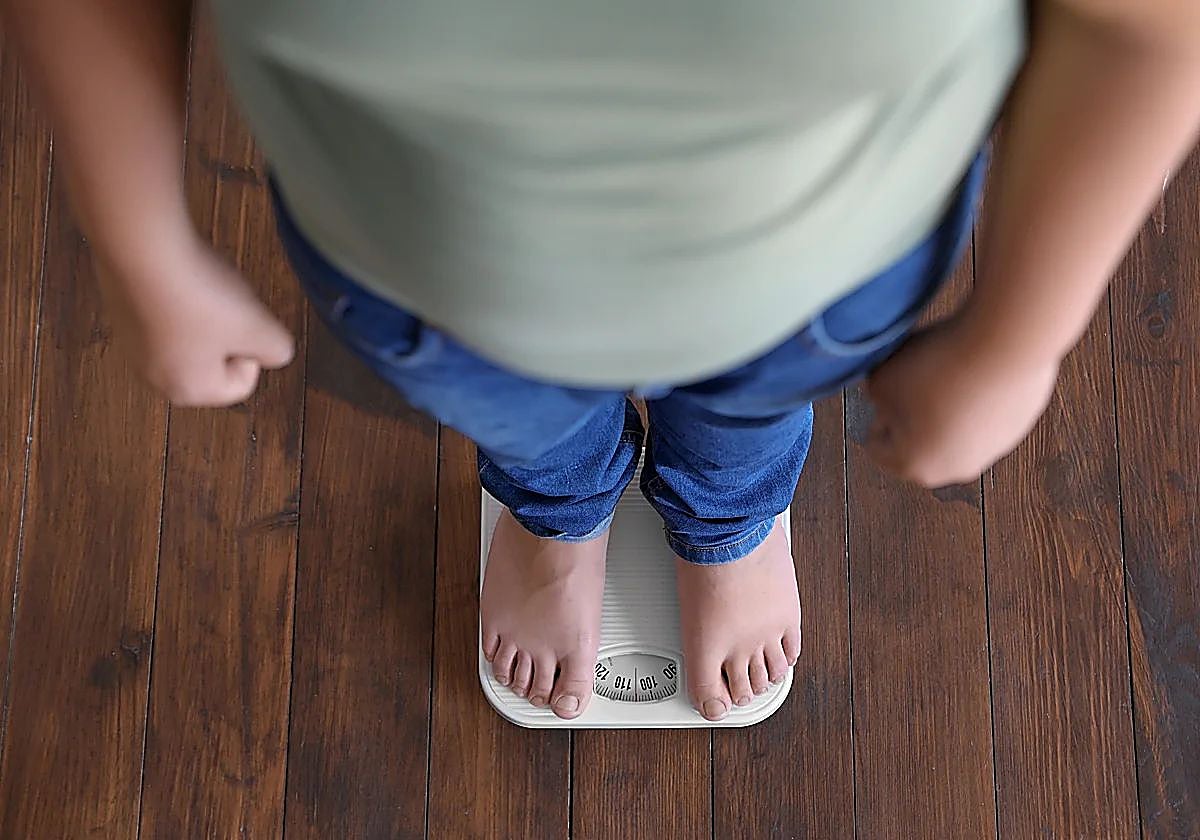
Childhood obesity is one of the major epidemics of the 21st century. In Andalucía, 35.6 per cent of children are overweight, a figure that ... is above the European average. This highlights the scale of a problem that poses both a health and a social challenge.
With the aim of tackling this issue, the regional government of Andalucía has launched a programme that revises the diagnosis of this condition within primary care and will treat it as a chronic disease.
The OrbiTA programme redefines childhood obesity not simply as a cosmetic or weight-related issue, but as a complex chronic disease of the adipose tissue which, without appropriate treatment from an early age, increases the risk of developing type 2 diabetes and cardiovascular problems, among other conditions.
This programme aims to provide an up-to-date and more accurate response from primary care to patients with childhood obesity. The protocol stipulates that screening for this chronic condition will primarily take place during routine child health check-ups from the age of two onwards, although it may also be initiated at any consultation where there is clinical suspicion.
Once a possible case has been identified, a dedicated consultation is guaranteed within a maximum of 15 days, along with support in the form of an individualised plan agreed with each family and structured follow-up for a period of up to 18 months.
In addition to the health aspect, the issue will be addressed from a social perspective, as the incidence of this condition is not uniform. It has a greater impact on families with lower incomes and lower levels of education, making obesity an indicator of social inequality, as the regional government explained in a press release.
The main new features of the programme centre on the updating of diagnostic approaches, care pathway, structured follow-up and success criteria. The guidelines for referrals to specialists, the approach to uncooperative families and the identification of at-risk patients have also been updated.
By treating the condition as a chronic illness, the programme aims to eliminate the guilt and social stigma that children often experience. Healthcare interventions will avoid approaches focused exclusively on weight and prioritise the sustainable improvement of habits and the prevention of eating disorders by involving the whole family as a therapeutic unit.
In terms of care, a coordinated pathway will ensure that patients and their families do not experience any interruptions in their treatment, with primary care at the centre of this approach. Cases presenting metabolic complications or severe risk markers are referred to specialists in paediatric endocrinology, nutrition, mental health and other sub-specialities, while primary care will manage follow-ups.
This new clinical protocol for childhood obesity marks a paradigm shift: it redefines the role of the BMI (body mass index), in line with the latest national and international recommendations. BMI is no longer considered a diagnostic criterion but has become a tool for population-based screening.
Consequently, diagnosis is based on the identification of excess adipose tissue that has an impact on the patient's health. Screening is therefore carried out by calculating BMI as a universal measure within the child health programme.
![[]](http://static.vocstatic.com/voc26/latest/assets/images/favicon/surinenglish/apple-touch-icon-57x57.png)