
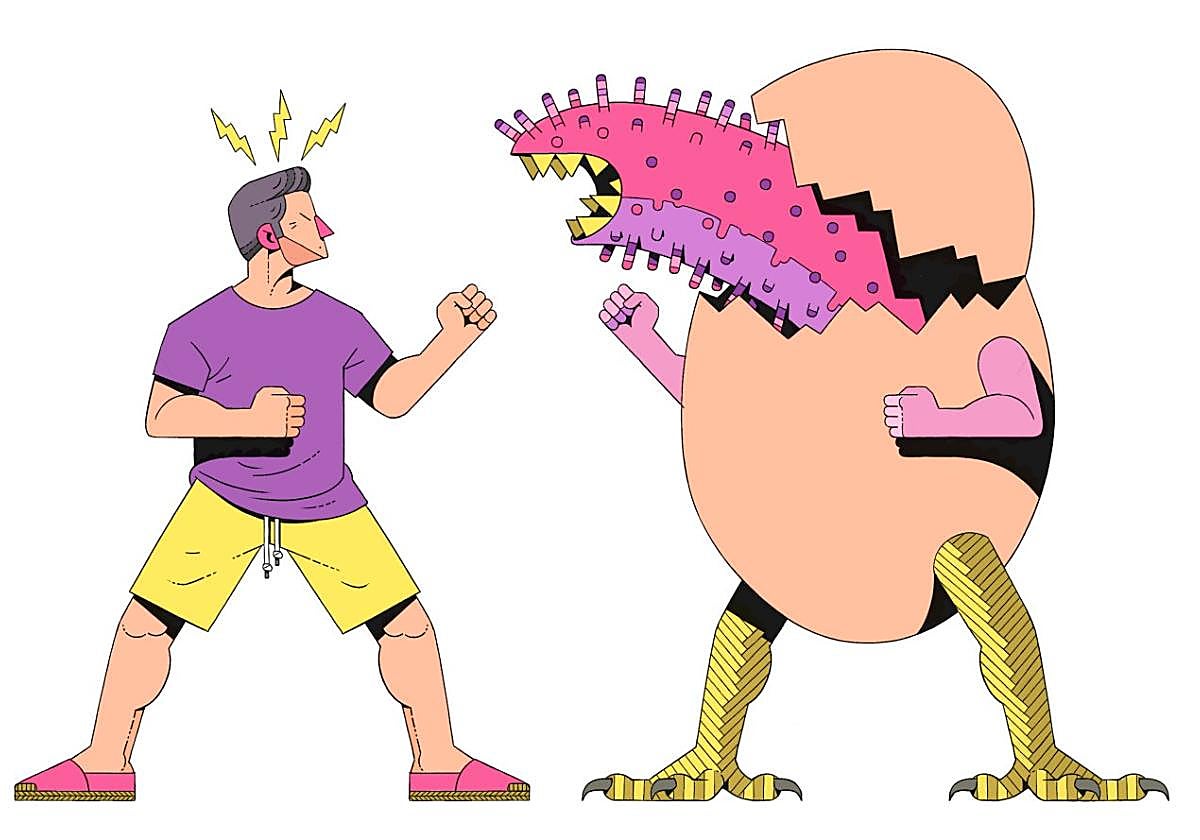
All you need to know about salmonella
Diarrhoea, fever, vomiting... If symptoms are intense or persistent, see a doctor as soon as possible
Carmen Barreiro
With the rise in daytime temperatures, not only do cases of heat stroke increase, but also food poisoning, a classic feature of the spring and summer months. Bacteria like nothing more than a hot day (especially when it exceeds 30 degrees) to multiply faster and contaminate everything they touch: food, water, animals, any surfaces. Of all possible gastrointestinal diseases caused by this type of germ (salmonellosis), a salmonella infection is one of the most common, with more than 5,000 cases reported each year in Spain and almost 100,000 across Europe as a whole.
Dehydration risk
It is common to hear about this condition from time to time, especially when there is a massive food poisoning outbreak like the one recorded a few months ago at Casa Dani restaurant in Madrid which affected 157 people with 16 hospitalised. But what do we know about salmonellosis? Is it serious? Do we have to consult a doctor? How do we get it?... "Salmonellosis is a common disease that affects the digestive tract and is caused by the salmonella family of bacteria. These microbes invade and damage the intestinal mucosa [the sticky, innermost lining of the gastrointestinal tract] and the body generally reacts with a series of symptoms common to other such illnesses (diarrhoea, vomiting, abdominal cramps, fever, generally feeling unwell...) but which, in this case, can cause severe dehydration and even put the patient's life at risk if the infection worsens and spreads outside the intestine," said Dr Mar Sureda, a member of the Spanish Society of Primary Care Physicians (Semergen).
Salmonella infection, the symptoms of which usually appear between eight hours and three days after exposure, is usually due to the ingestion of contaminated food, especially raw or undercooked eggs, meat (especially poultry), unpasteurised milk or contaminated water. In fact, the bacteria that cause this disease live in our intestines and in that of animals, often with hardly any symptoms, and are expelled via faeces.
"For this reason, the most frequent form of infection among humans is through contaminated water or food," added Dr Sureda.
The symptoms of this gastrointestinal disease (diarrhoea, sometimes with blood or mucus in the stools, fever, nausea, chills, headache and abdominal pain...) usually last just a few days and most of those affected recover without having to resort to antibiotics, which is the typical treatment for this type of poisoning.
"If the symptoms are very intense or prolonged, you should consult a doctor, especially if dealing with the elderly, babies, pregnant women or immuno- compromised patients, because in these cases the risk of dehydration and complications is multiplied," advised Dr Fidel Fuentes, head of one of the emergency departments for Igualatorio Médico Quirúrgico (IMQ), a private healthcare insurance company.
In some cases, the intestinal tract does not fully recover for several months.
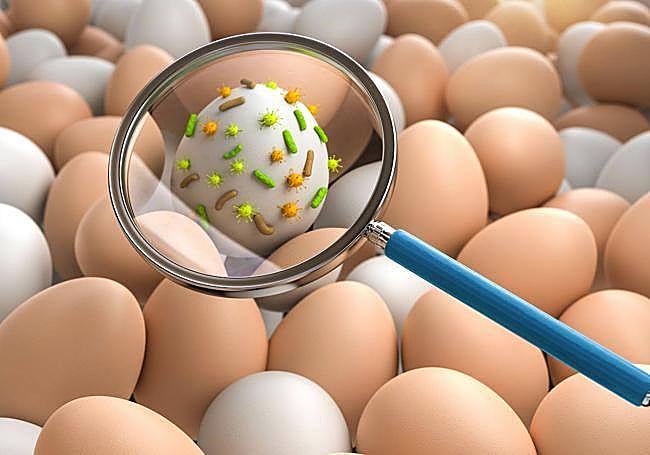
Eggs, water and chopping boards - common sources of this bacteria
Although it is true that, in some cases, realistically we cannot avoid being poisoned by this bacterium (most of the time we do not know how the food we eat outside the home is handled and preserved, for example), we can take a series of measures to reduce the possibility of contracting salmonellosis.
Wash your hands well to avoid transferring salmonella bacteria to your mouth or food.
It is essential to wash with soap and water for at least 20 seconds after using the bathroom, changing a nappy, handling raw meat, cleaning up pet waste, or touching animals, especially reptiles and birds.
Keep foods apart to avoid cross-contamination: "Uncooked meat or fish should not be next to products to be consumed raw, such as lettuce or ready-made dishes that are going to be reheated before serving, such as meatballs in sauce. The micro-organisms present in the raw material can contaminate the other dishes," advised pharmacist Gemma del Caño, an expert in food safety.
Whenever possible, she uses two cutting boards: one for raw meat and the other for fruit and veg. Also, cooked food should not be placed on an unwashed plate that previously had raw meat on it.
Eggs are one of the foods most susceptible to being contaminated by this bacterium. To avoid contagion, buy them with the shells clean and intact. "Store them in the fridge and don't wash them before putting them in there. You can do that just before eating them," the Spanish institute for eggs stated.
Two more pieces of advice: never crack the eggs on the edge of the bowl where you will beat them and never separate the white from the yolk using the shell itself. Shellfish can also contain these bacteria if in contact with contaminated water.
Maintain the proper temperature during food storage and cooking: if a hot dish, above 65 degrees; while if a dish is served cold, it should be stored below 8 degrees if it is going to be consumed in less than 24 hours, or below 4 if to be eaten the next day.
![[]](http://static.vocstatic.com/voc26/latest/assets/images/favicon/surinenglish/apple-touch-icon-57x57.png)