
40 years of progress
Four decades of change on the eastern Costa del Sol
Slower to develop, the eastern end of the province of Malaga from Rincón to Nerja is a favourite among tourists and residents looking for the quieter Costa
Jennie Rhodes
From Rincón de la Victoria to Nerja, the eastern Costa del Sol is less built-up but is becoming more and more popular with visitors looking for the quieter Costa. Significant changes have been made over the last four decades although some charming streets and squares remain the same.
Torre del Mar Vélez-Málaga
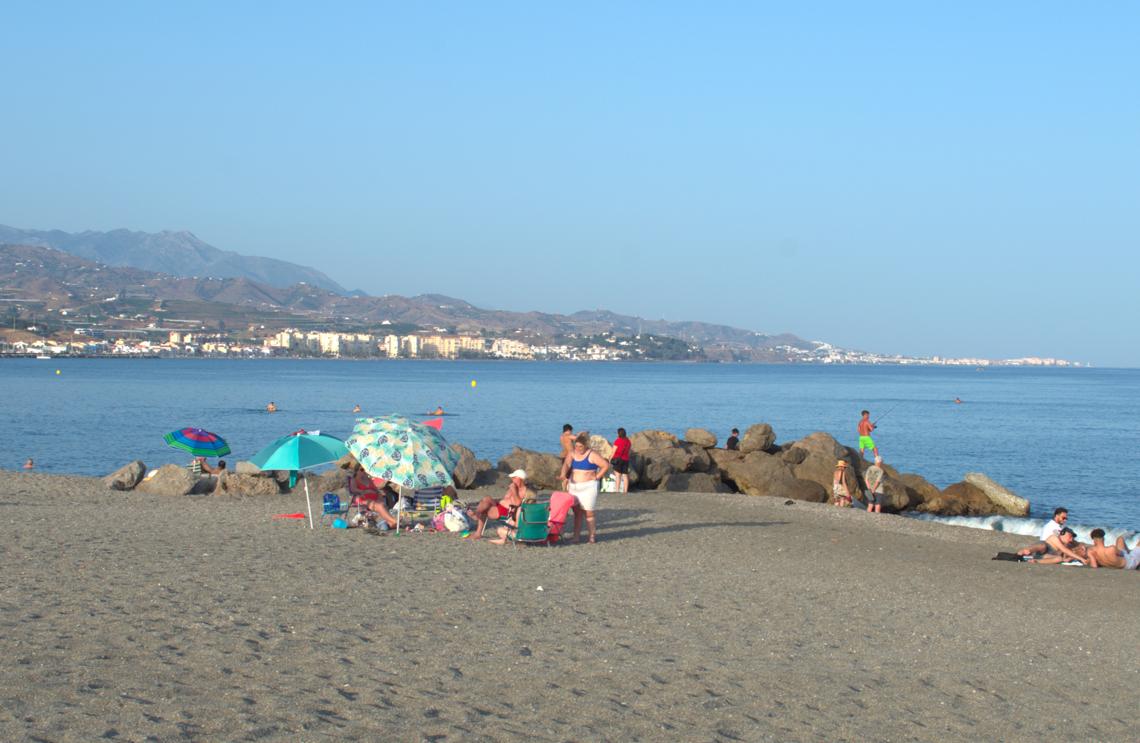
The breakwater. Smaller but still a popular point of reference
Now
Then
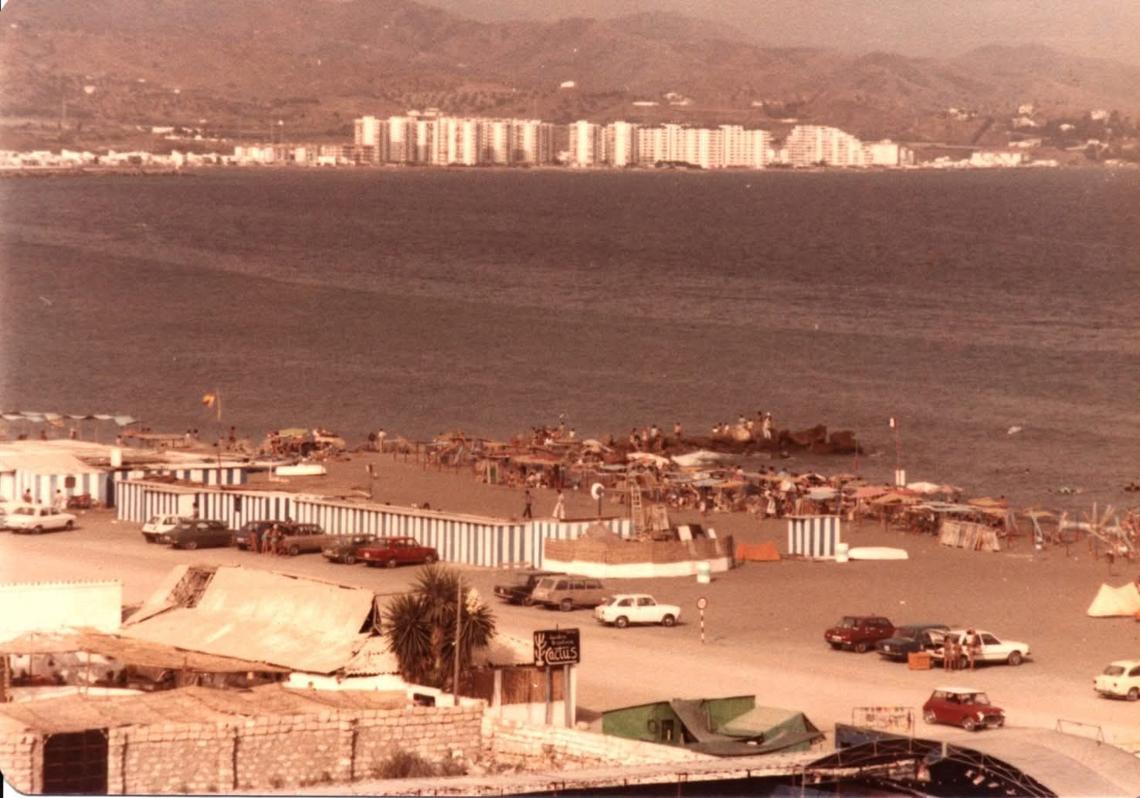
TexIn 1984 Torre del Mar already had its paseo marítimo (promenade) which had been built in the 1970s. On the beach, a few metres from the junction between Paseo de Larios and the promenade are the ‘El Moro’ rocks that act as a kind of breakwater (espigón) and separate the Poniente and Levante beaches. The ‘then and now’ photos show that it’s still a popular spot for beachgoers although ‘el espigón’ is much smaller nowadays.
The blue and white striped buildings which were home to a chiringuito called Cactus and fishermen’s huts have gone and have been replaced by a smaller chiringuito, Victoria, which is set further back on the beach, next to the promenade and cars are definitely not allowed to park so close to the shore these days.
In keeping with the traditional blue and white striped huts, now services including public toilets and the popular beach library facilities are housed in much smaller wooden huts which are dotted along the beach. The views across the bay to Algarrobo Costa and Mezquitilla remain largely unchanged and of course the mountains still provide the backdrop with Torrox lighthouse at the very end.
Torre del Mar Seafront
Development continues along Torre del Mar's seafront
Now
Then
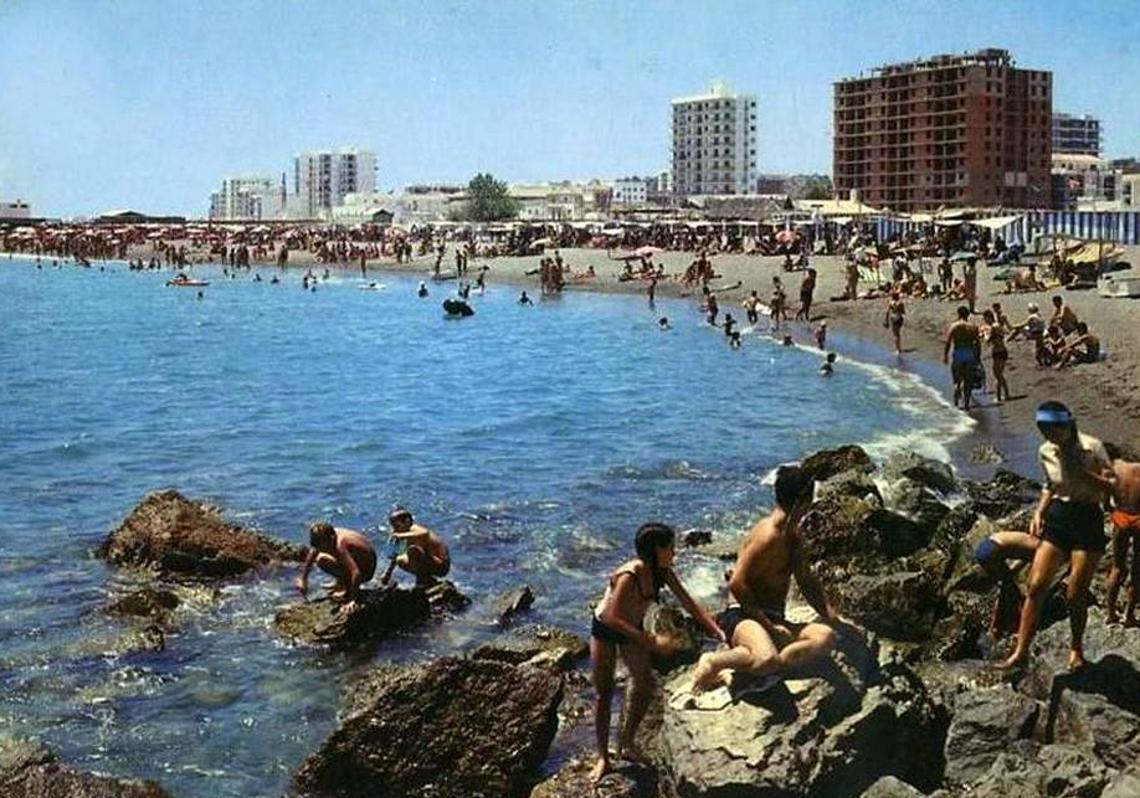
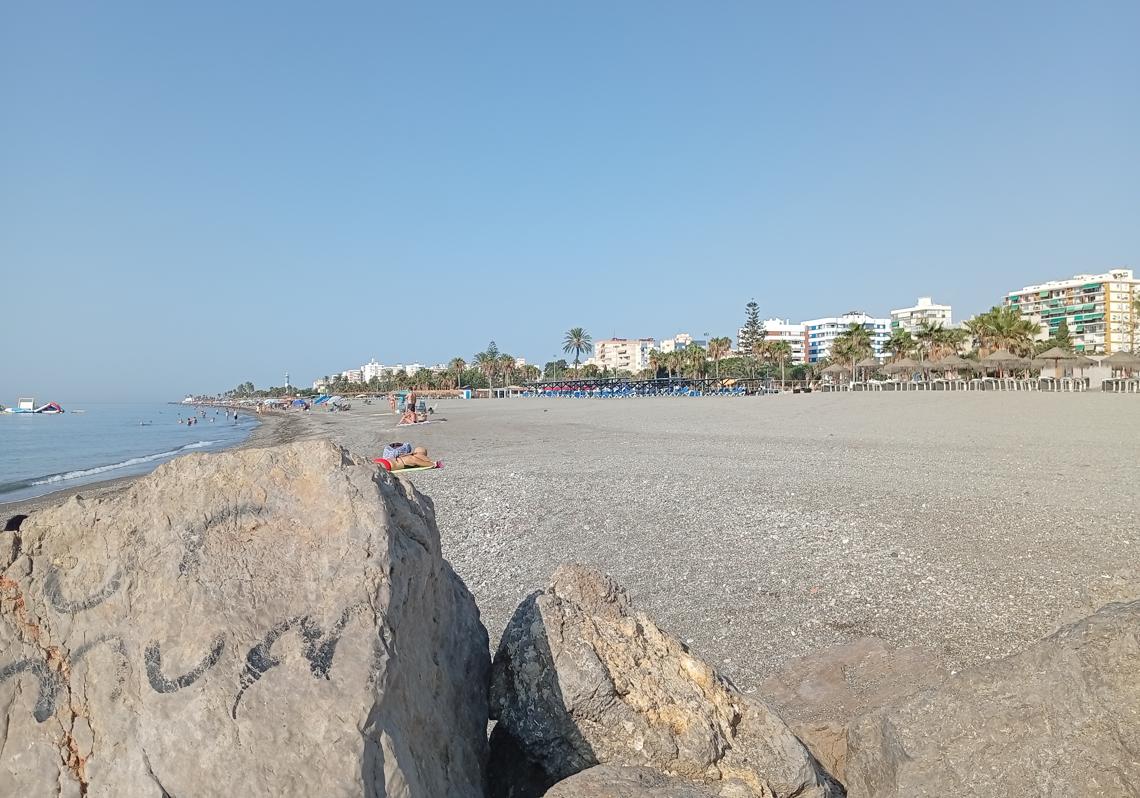
Torre del Mar’s third and most iconic lighthouse, the tall blue and white striped one, was built in 1976 while construction of the promenade was under way.
Many of the buildings that can be seen along the promenade were already there following the tourism boom of the 1960s. However, construction was still happening at a rapid pace in the 1980s as the promenade was completed.
Now the palm trees and other trees and plants adorn the promenade and the gardens hide many of the buildings along the coastal road so they are not so obvious from the beach.
The area around ‘el espigón’ still provides a popular place for people to sunbathe and swim and children still love playing on the rocks today.
Many of the apartments on the seafront are second homes for people who come from inland provinces such as Jaén and Cordoba and summer tourism in the town remains largely unchanged, with Spaniards accounting for the majority of visitors in July and August, although there is a growing number of foreign tourists and investors who have discovered the town.
Vélez-Málaga Axarquía hospital
Free healthcare came to the Axarquía in the 1980s
Now
Then
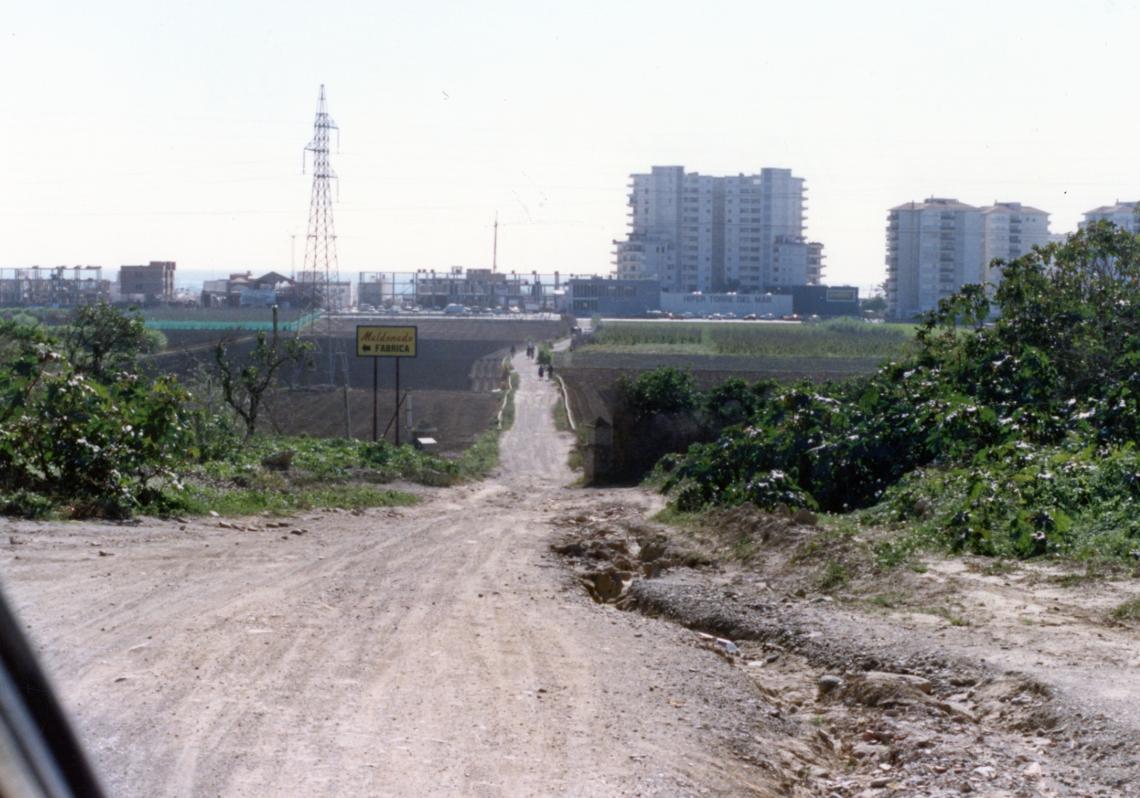
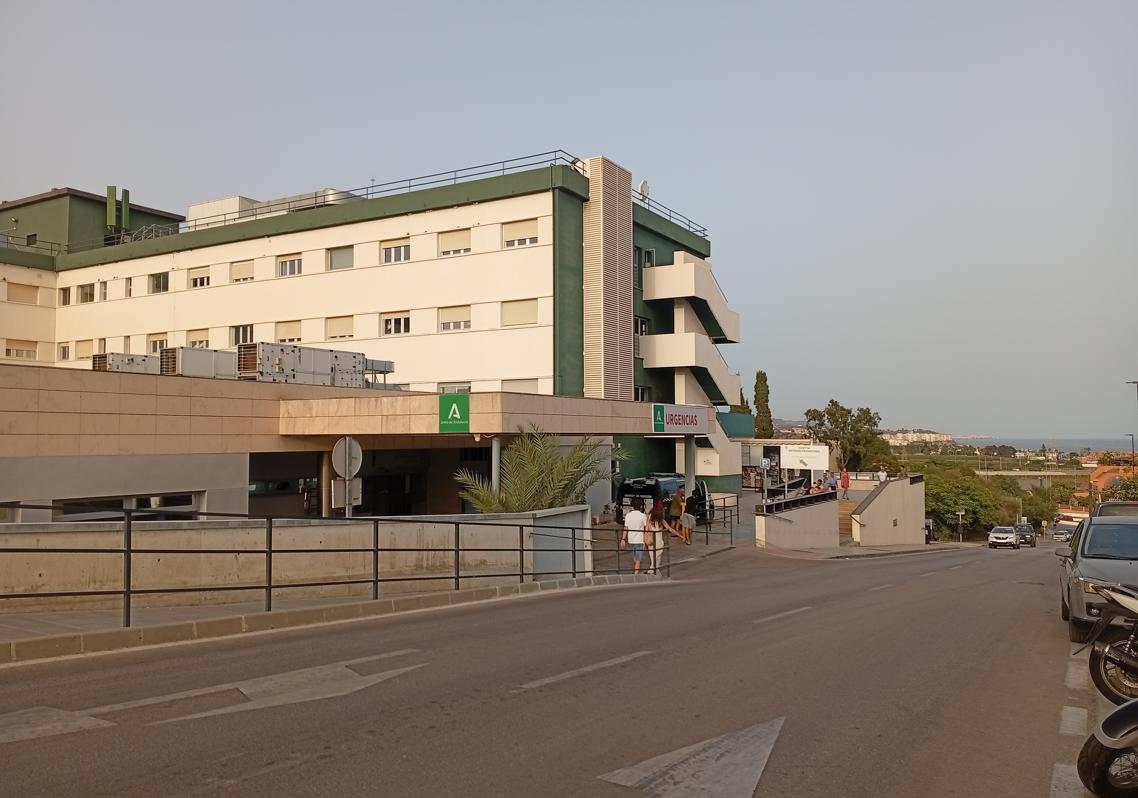
What didn’t exist in 1984, but was in the pipeline, was the Axarquía hospital and indeed Avenida del Sol in Torre del Mar, where it is located.
On 10 January 1985 financial negotiations were finalised and the hospital was definitively integrated into the Andalusian public health network (RASSSA). On July 19 of the same year the president of the Andalusian regional government and the regional minister for health officially inaugurated the hospital.
The opening of the Hospital Comarcal de la Axarquía brought hospital facilities closer to the population of the then 23 municipalities of the area who had previously had to go to Malaga city for treatment.
Today there are 31 municipalities in the east of Malaga province. The hospital is currently undergoing a series of projects to modernise and extend it as the population of the Axarquía continues to grow.
Since 2020 the hospital has seen major investment including a second CAT scanner, a new day hospital and the creation of a new operating theatre. The latest project included two new buildings for facilities with a meeting room, chapel, a cafeteria and offices.
Vélez-Málaga Torre del Mar
Azucarera. The remaining part of the sugar cane factory
Now
Then
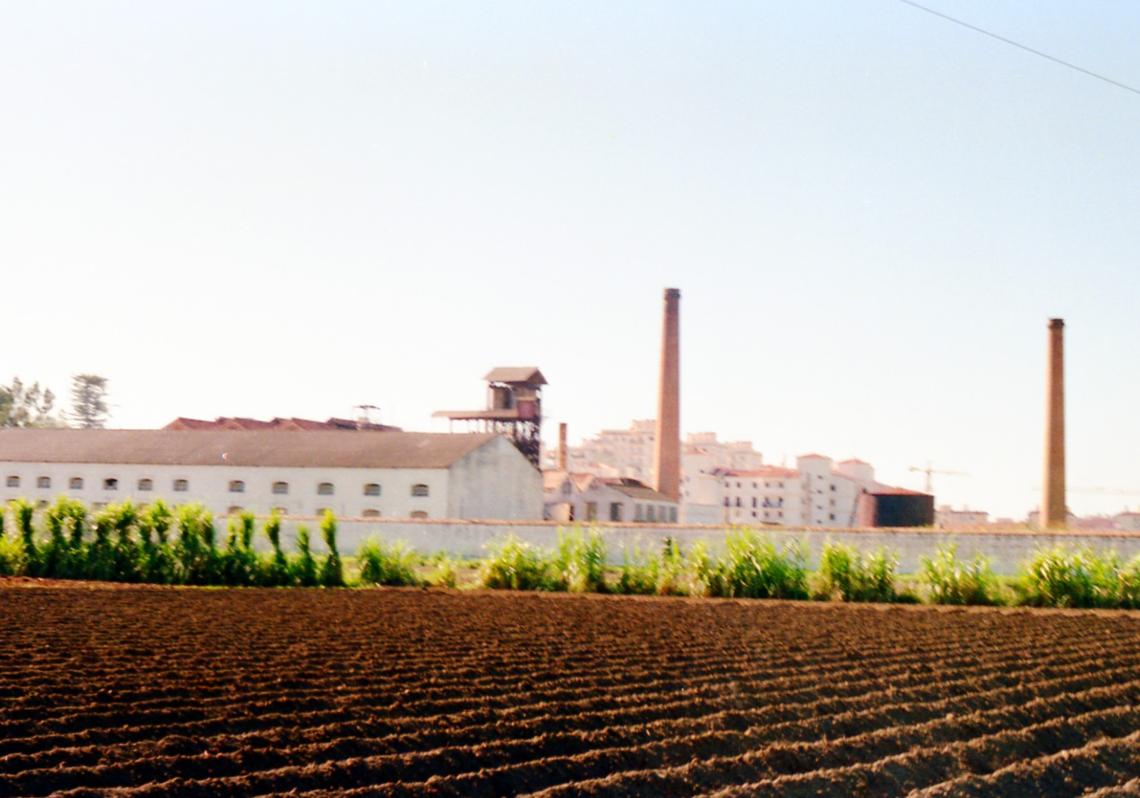
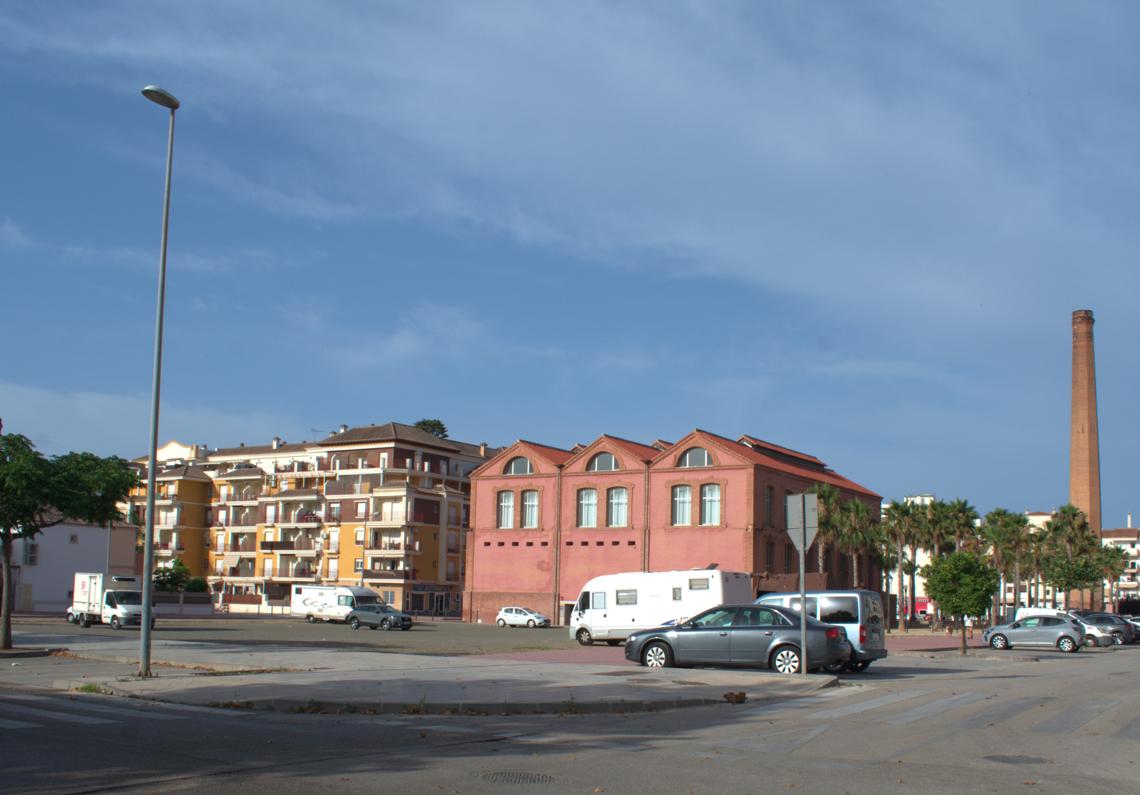
José García Navarrete began sugar production in Torre del Mar in 1796 but the factory wasn’t built until 1846 and some time later passed into the hands of the Larios family, taking the name ‘Fábrica Nuestra Señora del Carmen’ (Our Lady of Carmen factory).
The Larios family was responsible for its commercial operation until 1991, when the last sugar cane harvest took place.
In 1993 the central building of the factory was renovated and it is the red building that still stands and is used as a cultural centre today. Nearby are the three original chimneys that formed part of the complex.
Other remains include the Engineer’s House (now the mayor’s office), some pieces of factory machinery, and the warehouse converted into a municipal building. Inside, there is a permanent exhibition on the history of sugar in the Axarquía region.
Now the building is used for permanent and temporary exhibitions and the ground floor is used to house the giant ‘Belén’ or nativity scene every Christmas. The area around it has been developed into residential properties.
Torrox Torrox Pueblo
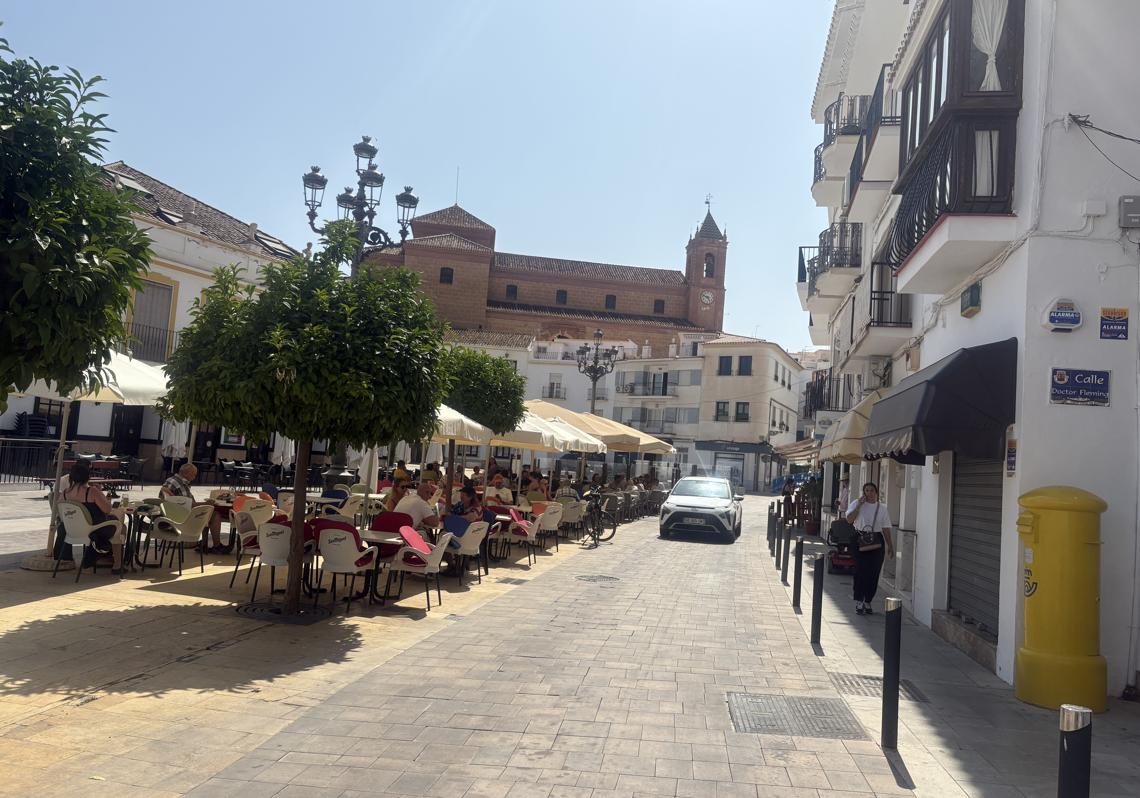
A modern Plaza. Torrox Pueblo's main square has been revamped
Now
Then
-kTeC--1140x798@Diario%20Sur.jpg)
Our Lady of the Incarnation church - Nuestra Señora de la Encarnación - originally built in 1505, still watches over Plaza de la Constitución in Torrox Pueblo, but the large square itself has undergone changes since the 1980s.
Gone are the benches and flowerbeds, which have been replaced by terraces belonging to bars and restaurants.
Although cars are still able to drive along this section of the plaza, posts and a pavement area have replaced the parking space.
The square underwent a major modernisation in 2024 when existing orange trees were replaced, several more trees were introduced to provide shade for the different areas of the square.
The terraces of the bars and restaurants in Plaza de la Constitución were also given greater visibility and openness thanks to a new arrangement of the planters.
Torrox Torrox Pueblo
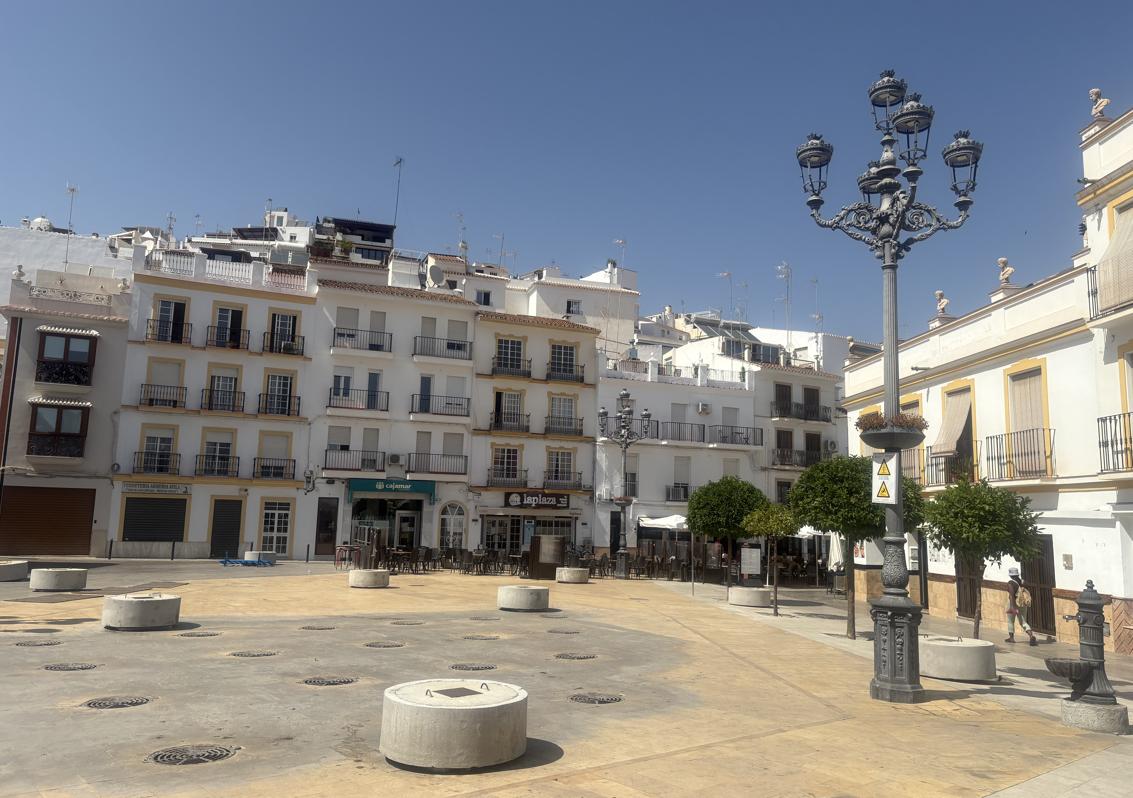
The central fountain has been replaced by small grilles
Now
Then
-kTeC--1140x798@Diario%20Sur.jpg)
Plaza de la Constitución in Torrox Pueblo is the centre of the town’s many events, including Feria, Holy Week and is home to the town hall as well as a number of bars and restaurants.
It has had colourful umbrellas providing shade in the past but they were removed while it went under significant modernisation in autumn 2024.
The central fountain has been replaced by a section with little fountains that shoot water up from individual grilles in the ground.
The semi-pedestrianisation of Plaza de la Constitución, with a new pavement, restriction of traffic, more shaded areas with the planting of more trees, the installation of new street furniture and replacing of the grilles in the fountains.
Just off Plaza de la Constitución is Calle Nerja, where miniature lighthouses, windmills, colourful flowerpots and even a small fountain adorn this small street which is just 15 metres long.
Local resident Nieves Cortés is the mastermind behind this quaint street and her hard work and dedication has even won her recognition from the town hall.
Torrox Torrox Costa
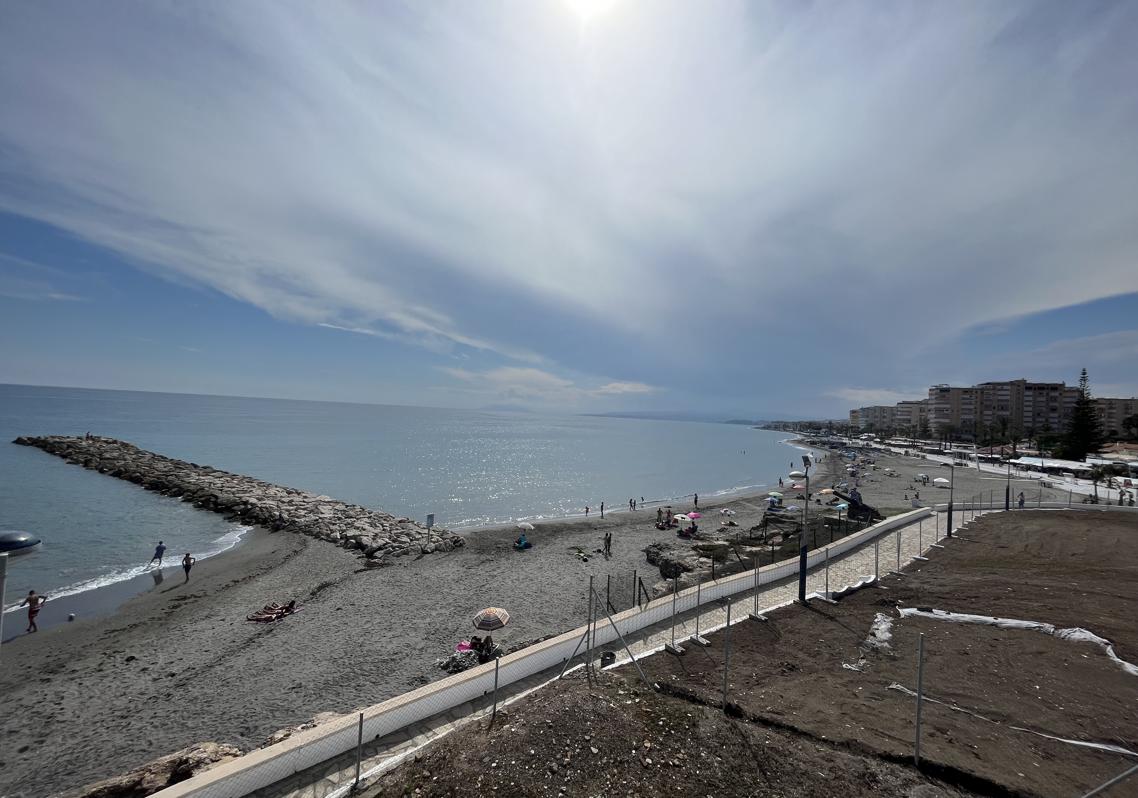
The 1980s saw development of the coastal area of the town
Now
Then
-kTeC--1140x798@Diario%20Sur.jpg)
The 1980s in Torrox saw significant development, particularly in its coastal areas, with the start of the Laguna Beach residential area.
Over the decades, the town saw a shift in focus from the inland Torrox Pueblo to the coastal area, with the rapid development of Torrox Costa.
The 80s marked the continuation of a construction and tourism boom that began in the 1970s and would transform Torrox Costa into a popular tourist destination.
Germans in particular flocked to the town as holidaymakers and investors, giving the town the title of ‘Little Germany’ which lives on today.
The Laguna Beach housing development, a large-scale residential project, began construction in the late 1970s and continued well into the 1990s.
Construction in Torrox Costa continued throughout the 1980s and beyond, with new developments like Torrox Park adding to the area’s popularity.
The town hall launched its ‘best climate in Europe’ slogan in the 1980s which is still very much alive and well today.
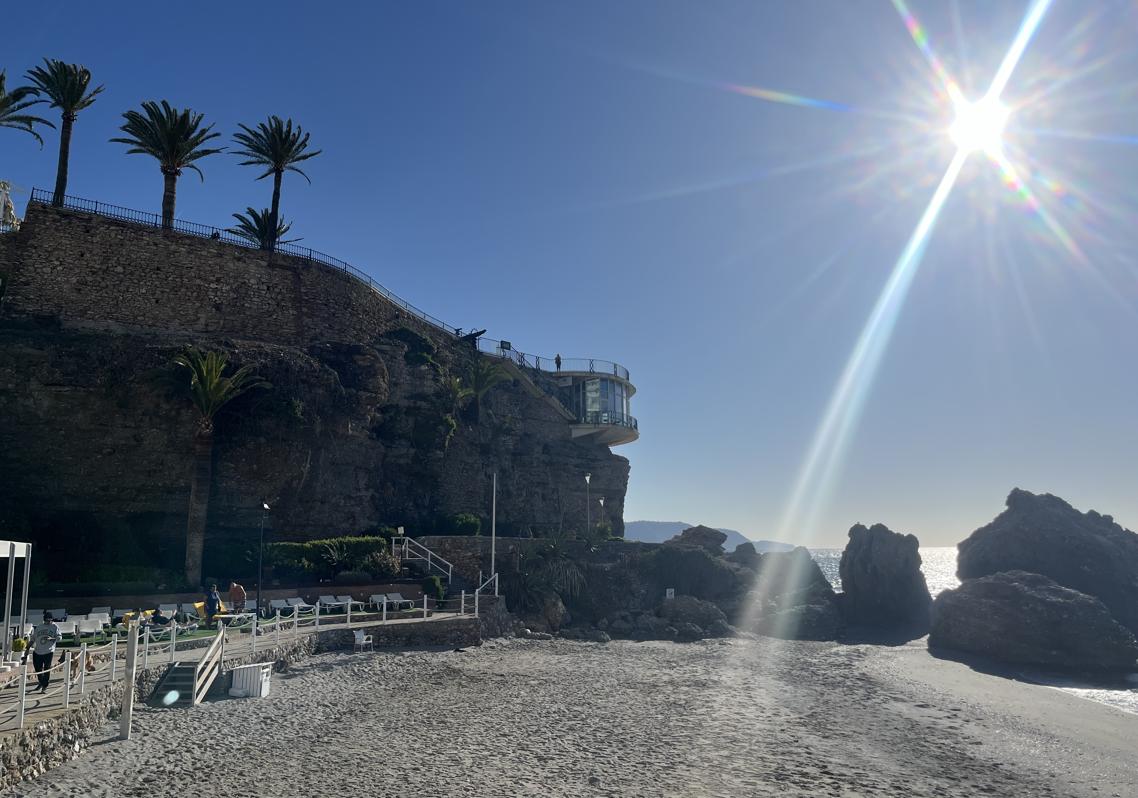
Nerja Balcón de Europa
Nerja's iconic viewpoint is as popular now as ever
Now
Then
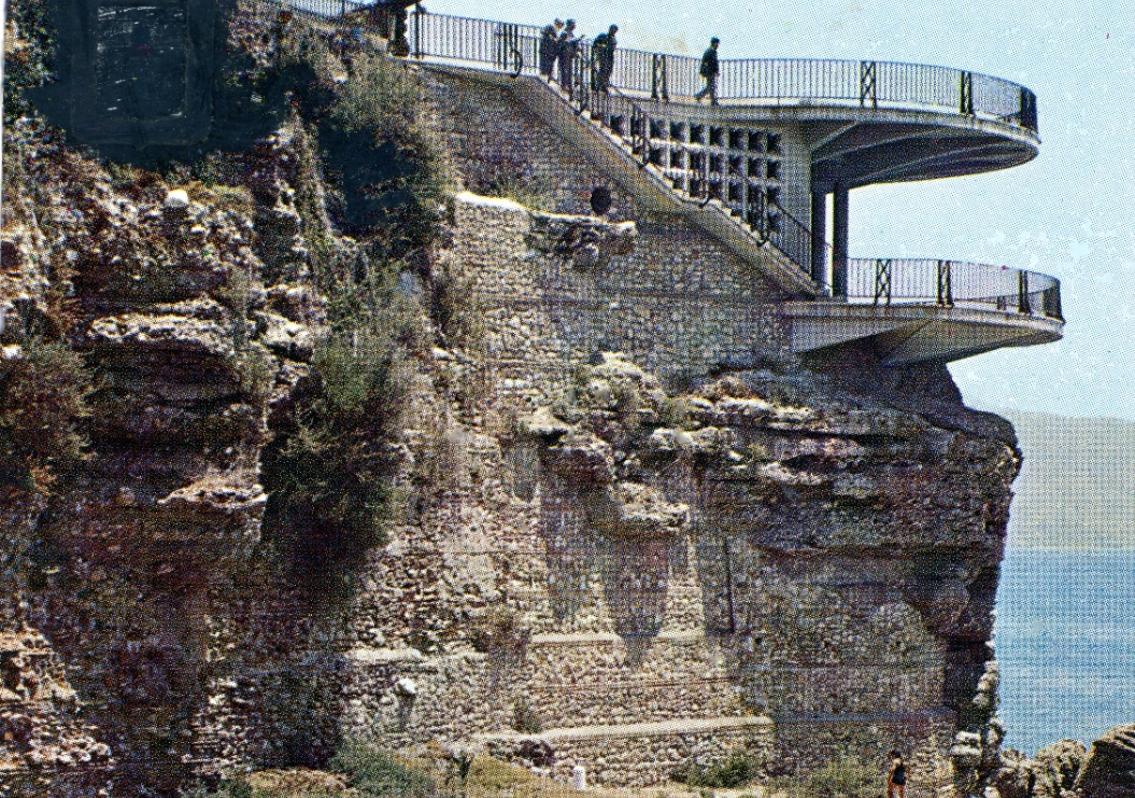
Nerja’s iconic Balcón de Europa has largely remained unchanged since the 1980s, albeit with a few modernisation schemes and replacement of the perimeter fencing. The sculpture of King Alfonso XII, created by Torre del Mar artist Francisco Martín, was installed in 2003.
The Balcón de Europa also appeared in the famous television series Verano Azul, which was filmed in and around Nerja and first aired on 11 October 1981.
The TV programme, which centred around a group of young Spanish friends who were on holiday in Nerja and befriended locals, has attracted visitors from Spain and beyond to the town to see the places made iconic in the series.
The steps and walkways below the Balcón which lead to the beaches either side have been improved while the canon atop remains.
The Balcón de Europa Hotel celebrated its 60th anniversary in 2023 having opened its doors as the first major hotel in the town centre on 20 July 1963.
The Balcón de Europa has also been the setting for marriage proposals, weddings and films; Tosca Musk, the sister of Elon Musk, used the location in her 2023 film Wallbanger.
Nerja Burriana beach
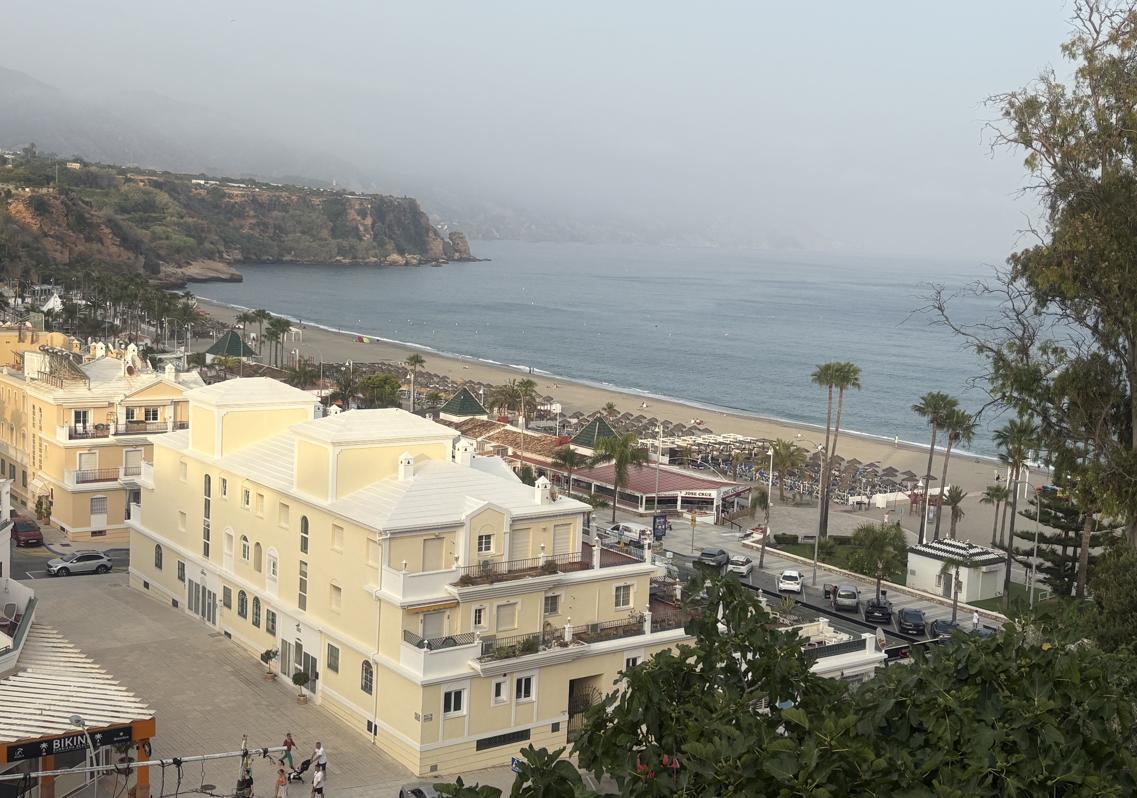
Ayo is still serving paella 40 years later
Now
Then
-kTeC--1140x798@Diario%20Sur.jpg)
The beach umbrellas belonging to chiringuitos along Burriana beach are still there, the most famous of which is undoubtedly Ayo.
The legendary beach bar, which is famous in particular for its paellas, has been there since 1969 and even featured in an episode of the TV series Verano Azul, when one of the friends, Pancho, invites his friends to have a paella there by way of thanks after they helped him out.
Ayo has since been joined by dozens more restaurants, beach bars and sports bars all catering for different tastes from traditional Spanish fish and seafood, to international flavours. However, Ayo is still as popular as ever, more than 40 years after the programme that made it famous.
The pyramid forms of some of those early chiringuitos are still there, as are the spectacular views towards neighbouring Maro and the Maro Cerro-Gordo cliffs, a protected area that shares a border with Granada province and home to native orange coral and other marine life, making it a popular spot for diving and snorkelling.
Nerja Balcón beach
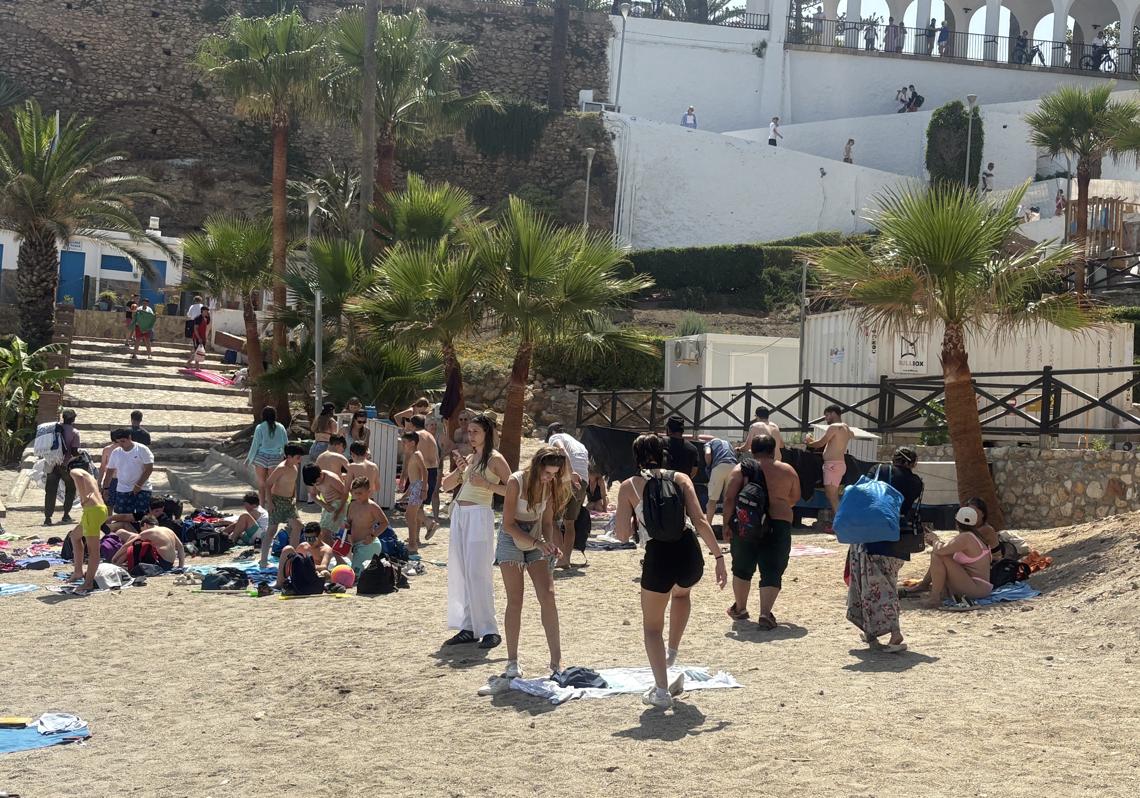
Calahonda has seen beach bars come and go
Now
Then
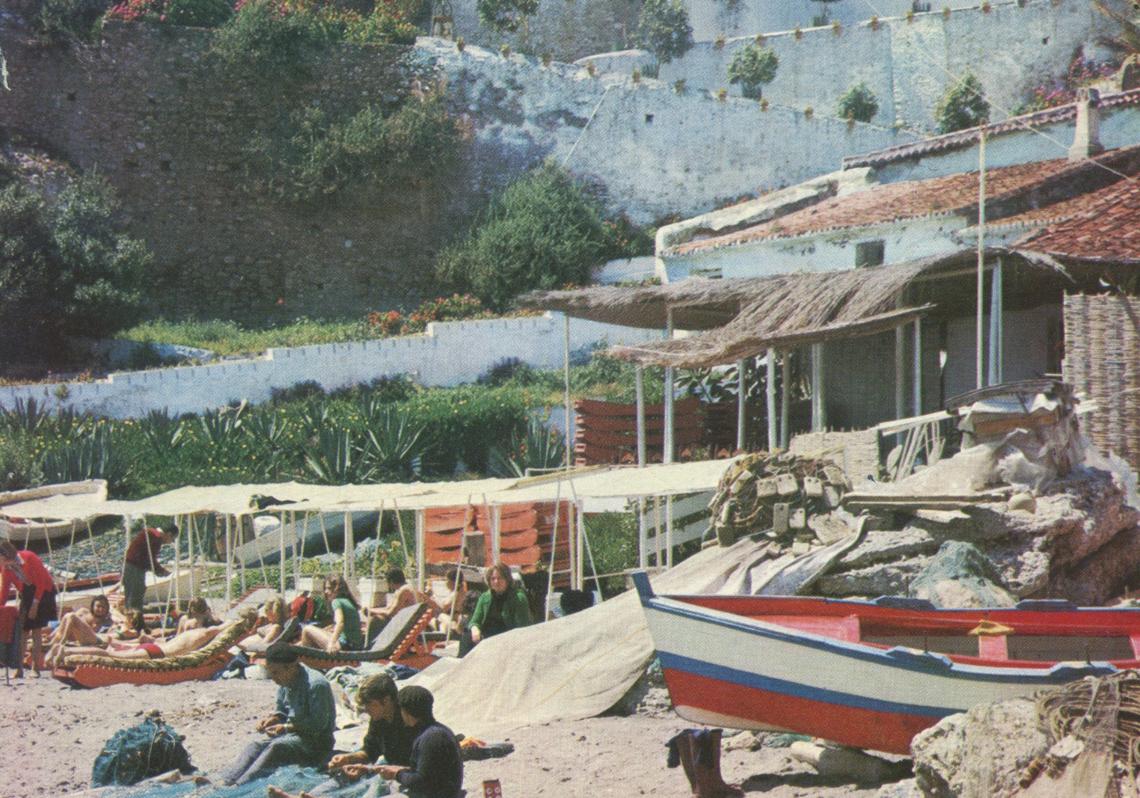
Calahonda beach sits just to the east of the Balcón de Europa and is probably the town’s most photographed ‘cala’ (cove).
Access to it is through the ‘boquete de calahonda’ - an archway off the Balcón and then a series of zig-zagging steps and slopes.
The fishermen’s boats and nets have been replaced by tourists and the vegetation and rudimentary shacks by palm trees and public facilities and sunbeds for hire.
Until the summer of 2014 Calahonda beach was home to Papagayo, which was closed by municipal order after numerous complaints from local residents about noise over the years. Subsequently, in 2017, the town hall acquired the land, which was privately owned, for one million euros and demolished the building in 2018 after a series of complaints about the presence of homeless people in the area.
In August 2025 Lamalaka, a new beach club, opened its doors on the same site. Madrid-based Cielo de Montera S. L. is managing the beach bar which offers three areas: a restaurant, a cocktail bar with a DJ and a sun lounger area.
Nerja The old town
Quiet residential areas give way to shops
Now
Then
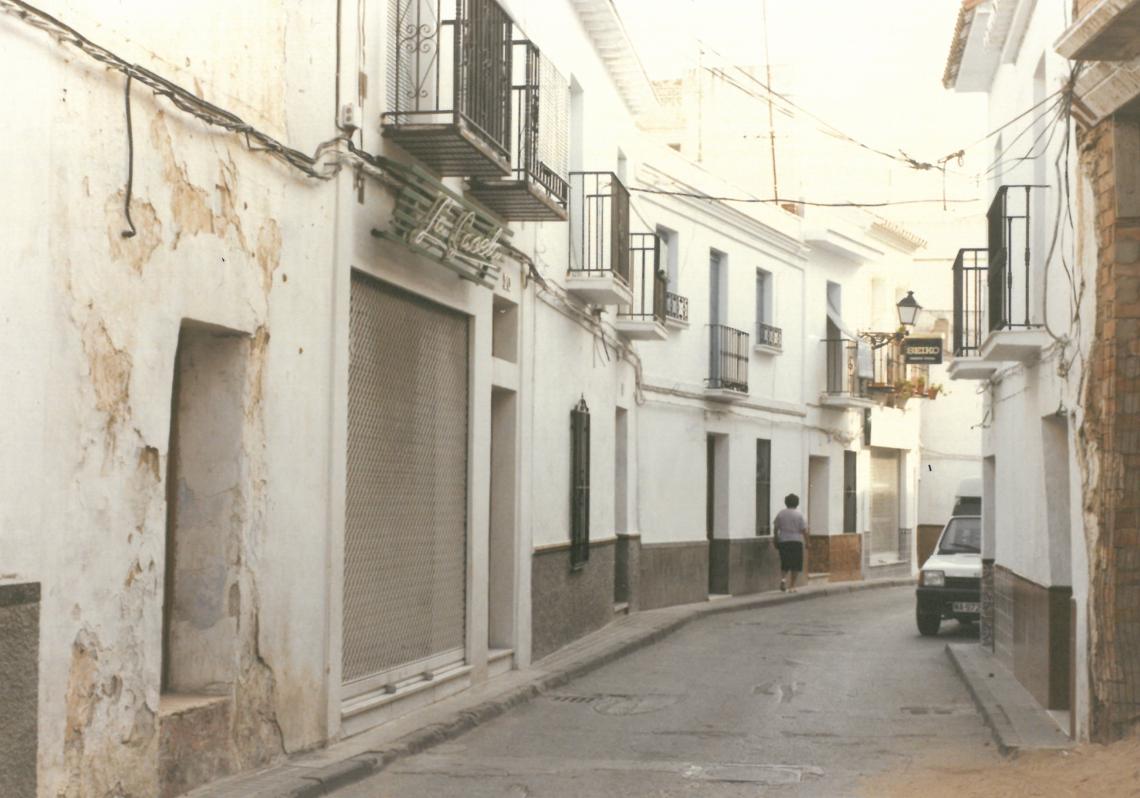
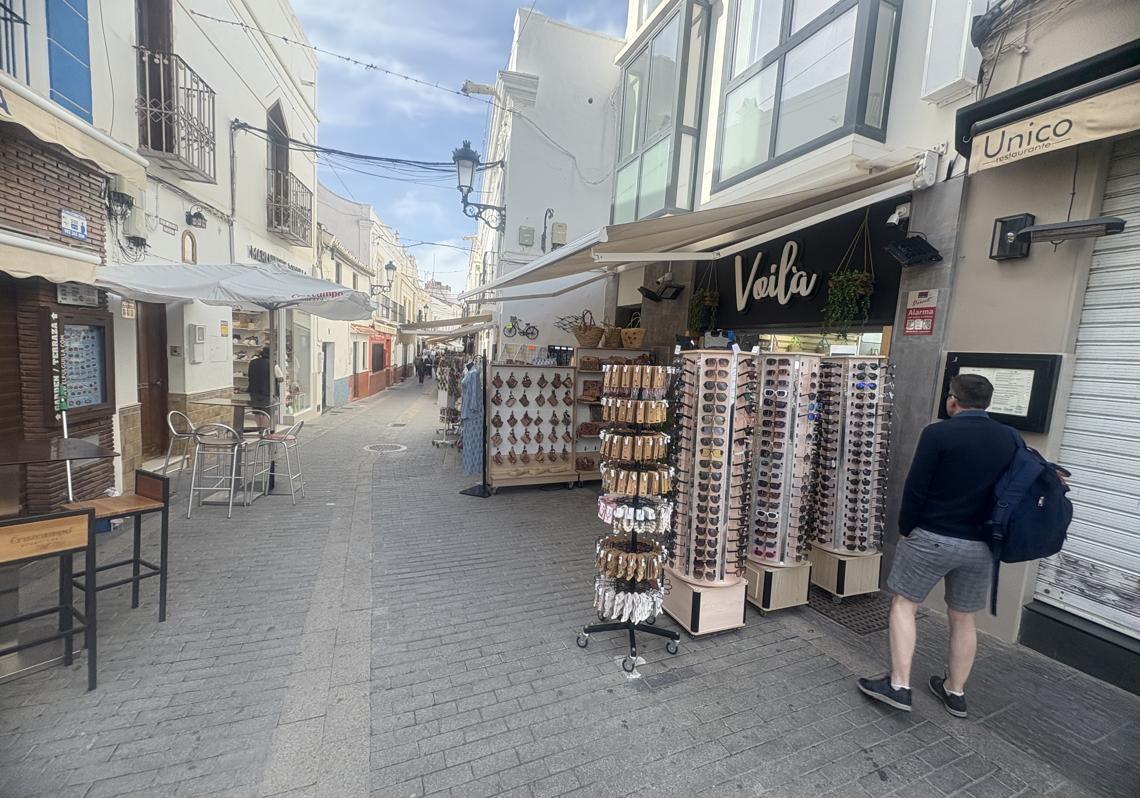
Streets including Calle Málaga, Calle Pintada and Calle Granada in Nerja’s old town were, during the 1980s, largely residential with a few shops mainly serving the needs of local residents.
However, as the first tourists started to arrive in the 1960s, with the opening of the Nerja Cave to the public after its discovery by five young boys in 1959, gradually more and more premises opened up as souvenir or handicraft shops and places started to sell beach items for the growing influx of tourists.
In the 1990s many of the streets in the town centre were closed to traffic and this gave way to bars and restaurants opening to cater for the growing numbers of national and international tourists.
Some buildings were added to with new floors built on top of existing houses, while others were pulled down and new constructions were built in their place.
Now Nerja old town is a thriving place with independent and chain stores sharing the streets with restaurants serving Spanish and international cuisine as well as ice-cream parlours, banks and other services.
![[]](http://static.vocstatic.com/voc26/latest/assets/images/favicon/surinenglish/apple-touch-icon-57x57.png)