
6 November: World Saxophone Day
A foreign instrument that sound Andalusian
180 years ago the saxophone was invented, which became not only one of the main instruments of jazz music but also a popular one in the Andalusian lifestyle
Alekk M. Saanders
Dinant
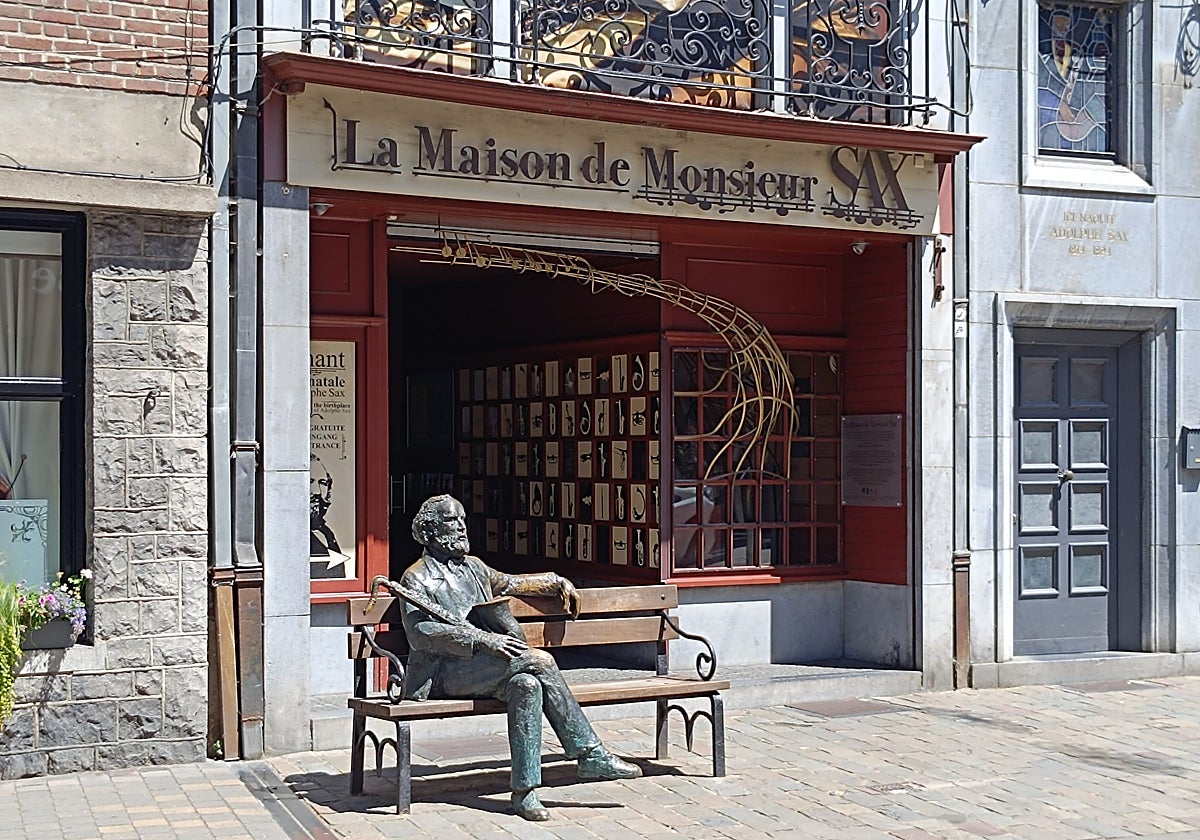
World Saxophone Day marks the anniversary of the birth of its inventor, Antoine-Joseph Sax, better known as Adolphe Sax. He was born on 6 November 1814 in the Belgian town of Dinant.
Picturesque Dinant
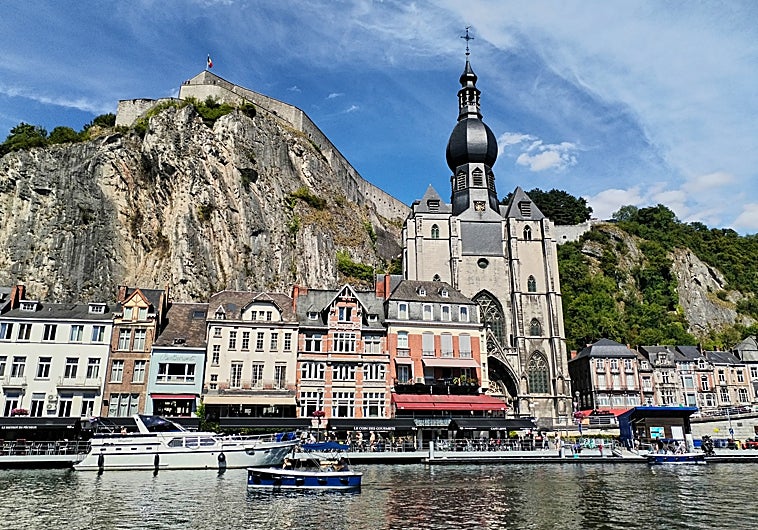
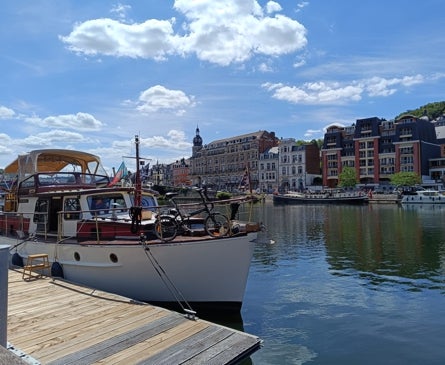
This picturesque little town is nestled on the banks of the River Meuse in Wallonia. Dinant is surrounded by impressive limestone cliffs. Against this backdrop, the 13th-century church in the Mosan Gothic style, with its unique onion-domed bell tower, looks particularly striking. There are plenty of picturesque buildings to be seen on the traditional river cruise, which inevitably passes under a bridge framed by large, colourful saxophones.
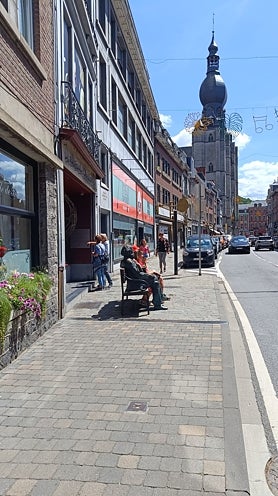
Many visitors also make a point of visiting the home of the inventor of this wind instrument himself. It houses a museum where you can learn about Adolphe’s early years, which, incidentally, were marked by a number of unfortunate incidents. As a small child, he miraculously survived falling three storeys down a staircase and fracturing his skull, drinking a bowl of diluted sulfuric water which he mistook for milk, a gunpowder explosion and suffocating on varnish fumes, amongst others.
Saxophone in several sizes
From an early age, Adolphe skilfully followed in the footsteps of his father, a master instrument maker, and took particular delight in refining the bass clarinet until he eventually invented the saxophone, along with the saxhorn and the saxtrombone.
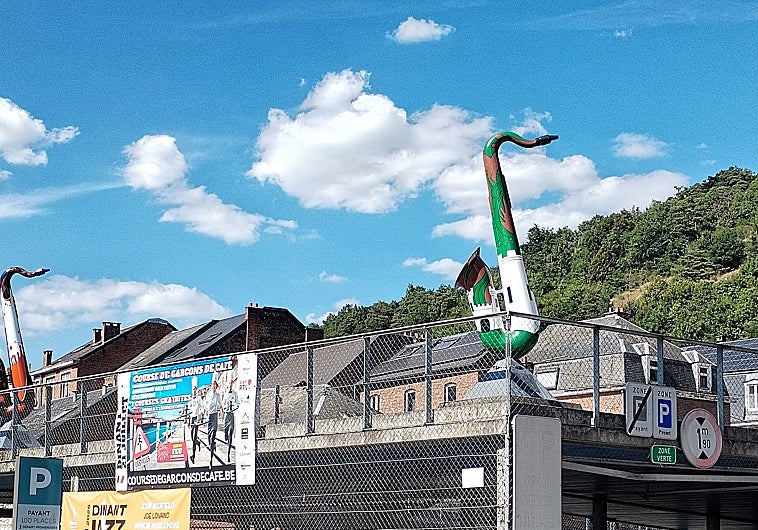
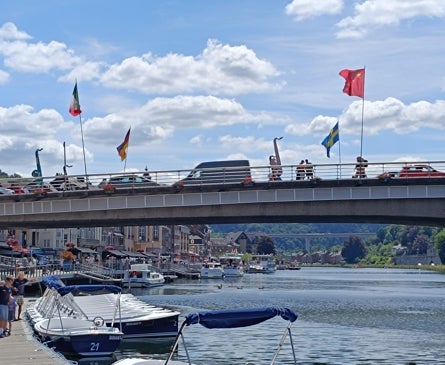
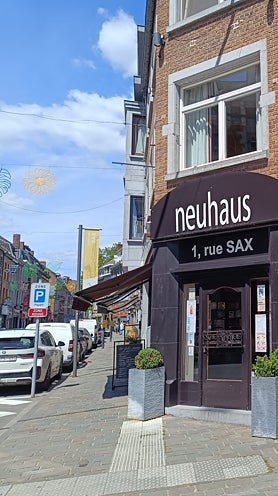
In the early 1840s, Adolphe Sax produced saxophones in several sizes, and in 1846 he was granted a patent for the instrument, which covered 14 different versions of the basic design, divided into two categories of seven instruments each and ranging from sopranino to contrabass. It is reported that his revolutionary instruments aroused fierce envy amongst rival instrument makers in Paris, giving rise to smear campaigns and endless legal battles.
'The sounding pipe'
The saxophone first appeared in Spain around 1850. The earliest recorded mention of the saxophone in Spain comes from Barcelona, where the instrument was imported and displayed in the window of a shop called ‘Casa España’. It is believed that, due to its unusual shape, the locals immediately nicknamed it ‘la cachimba sonora’ (the sounding pipe). The first documented public performance took place in a local church shortly afterwards.
It is believed that, due to its unusual shape, the locals immediately nicknamed it ‘la cachimba sonora’ (the sounding pipe)
As in many other European countries, the saxophone took root in Spain primarily thanks to military bands, which in the 1850s began to informally include the instrument in their line-ups. Furthermore, Spain was one of the first countries where conservatoires began teaching the saxophone as part of the official curriculum.
Semana Santa and flamenco
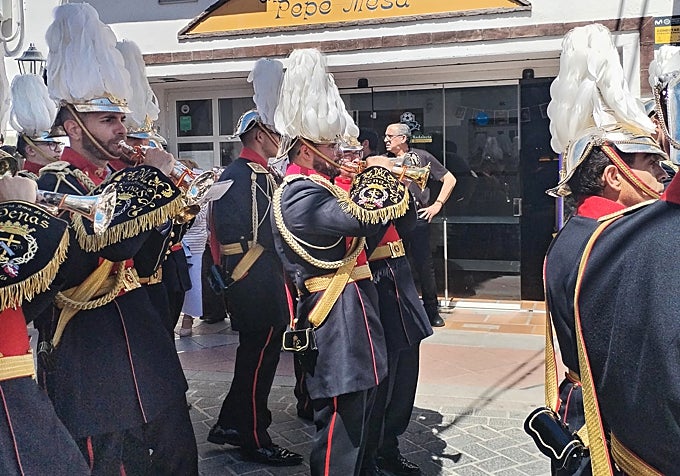
It is worth noting that, nowadays, the saxophone is playing an increasingly prominent role in Andalusian musical culture, finding its place not only in classical music and jazz, but also in experimental projects linked to flamenco and regional folk music. For example, the saxophone is being used more and more frequently in the activities of religious brotherhoods.
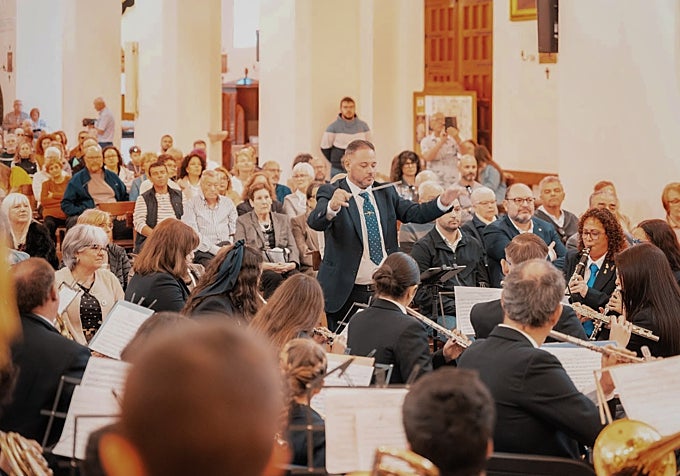
“The alto saxophone plays an important role in Andalusian Holy Week, featuring prominently in the marching bands that accompany the processions. Its sound lends a sense of sweetness, emotion and expressiveness to the processional marches. It plays a key part in performing the main melodies, accompaniments and harmonies, particularly during the most moving moments of the marches. To play it properly, one needs to work on breathing, intonation, tone and musical expression. In short, the alto saxophone helps to create the atmosphere of emotion, solemnity and beauty that characterises Andalusian Holy Week,” David Palomas Gomez, conductor of the Nerja Town Band, told SUR in English.
Musicians promote arrangements and sheet music for processional marches performed as solos on the alto saxophone. 'Mi Amargura' (My Bitterness) by Víctor M. Ferrer is one of the most iconic and sought-after compositions, whose saxophone solo is characterised by immense emotional intensity.
Moreover, the Seville-based saxophone quartet ‘Esencia’ stands out for its repertoire ‘A Tribute to Our Land’, which pays homage to the rich musical heritage of Andalucia and its composers.
The saxophone adapts to the styles, rhythm and harmony of flamenco
It is also interesting to note that the saxophone adapts to the styles, rhythm and harmony of flamenco. So-called Flamenco Jazz is a hybrid form of Modern Jazz and Flamenco, developed in Spain since the 1980s, which can be considered an independent subgenre of World Jazz. A prominent exponent is Antonio Lizana, who masterfully reinterprets the sound of this instrument in southern Spain. An example of the fusion of the saxophone with the folk music of Andalucia can be seen in the performances of the saxophonist and composer María Ramos.
