
Extra Fermento
Time and long fermentation: the secret ingredients for great bread
At Fermento Casa de Panaderos, they believe taking time over the dough allows flavour, texture and keeping quality to develop naturally
SUR in English
Málaga
Bread is a staple of everyday life and an important part of our culture. Yet the way it is made has changed dramatically. Industrial production and the demand for ever-faster output have steadily reduced the time once devoted to preparing each batch of dough.
In recent years, however, there has been growing interest in returning to traditional bread-making. More people are paying attention to the ingredients, the type of flour, the baking process and, above all, fermentation time. It's not just about appearance. The way dough is prepared has a direct impact on the bread's aroma, texture, flavour and how well it keeps.
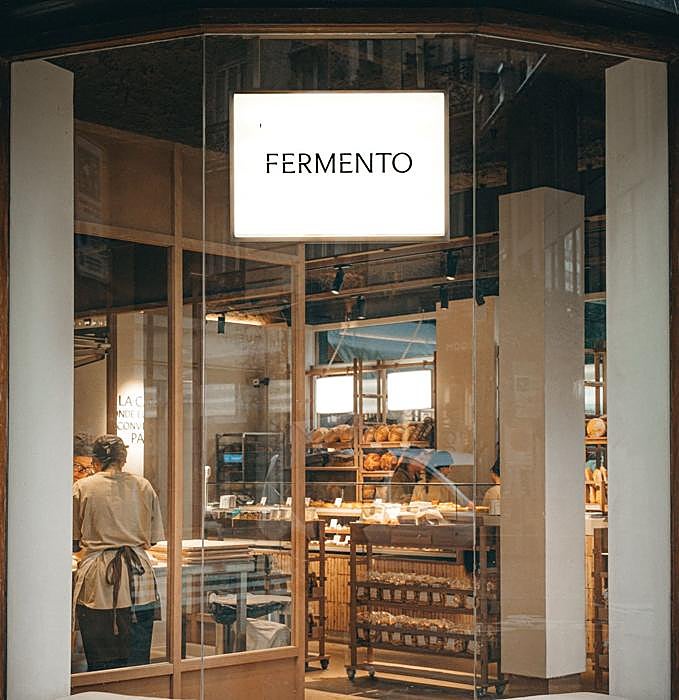
At Fermento Casa de Panaderos, long fermentation is at the heart of the baking process. Every batch of dough is given the time it needs to rest before it goes into the oven. During this period, the dough develops its structure while many of the aromas and flavours that define the finished loaf begin to emerge.
When fermentation is rushed, the dough cannot develop in the same way. A slower, carefully managed process produces bread with richer flavour, a well-formed crumb and a more satisfying texture.
More than simply letting the dough rest
Long fermentation isn't just about waiting longer. Every dough behaves differently, so bakers must consider temperature, humidity, the type of flour and resting time. They also need to observe how the dough changes to know exactly when it is ready.
Time is essential, but it is only one part of the process. Experience and an understanding of the craft are just as important.
This traditional approach also helps bread stay fresher for longer. A well-developed crumb retains moisture more effectively, while a properly baked crust protects the inside of the loaf. As a result, bread made using long fermentation often keeps its quality for several days after baking.
The dough also continues to change gradually while it rests. This natural process may make bread easier to digest and help the body make better use of the nutrients found in the flour.
Quality ingredients matter
Time plays a crucial role, but the quality of the finished loaf also depends on the ingredients.
Every type of flour brings its own characteristics. Wholemeal breads contain more fibre, vitamins and minerals than loaves made solely with refined flour. They also tend to have a fuller flavour and a heartier crumb.
Rye flour, meanwhile, produces bread with a higher moisture content, a denser crumb and a subtle tangy flavour. Spelt, by contrast, offers a milder taste with gentle sweet notes and a distinctive aroma.
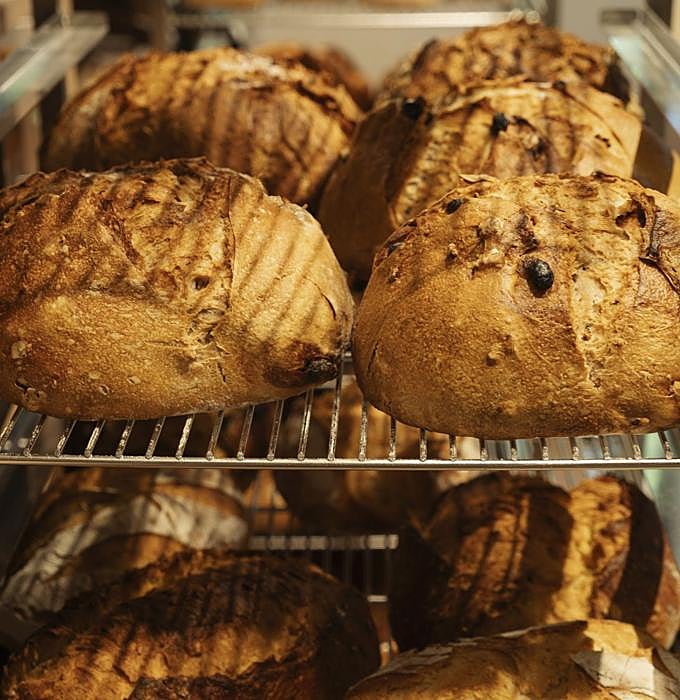
Seeds and nuts can completely transform a loaf. Sunflower, sesame and pumpkin seeds add texture and a satisfying crunch, while walnuts and raisins create a balance between the flavour of the grain, the sweetness of the fruit and the richness of the nuts.
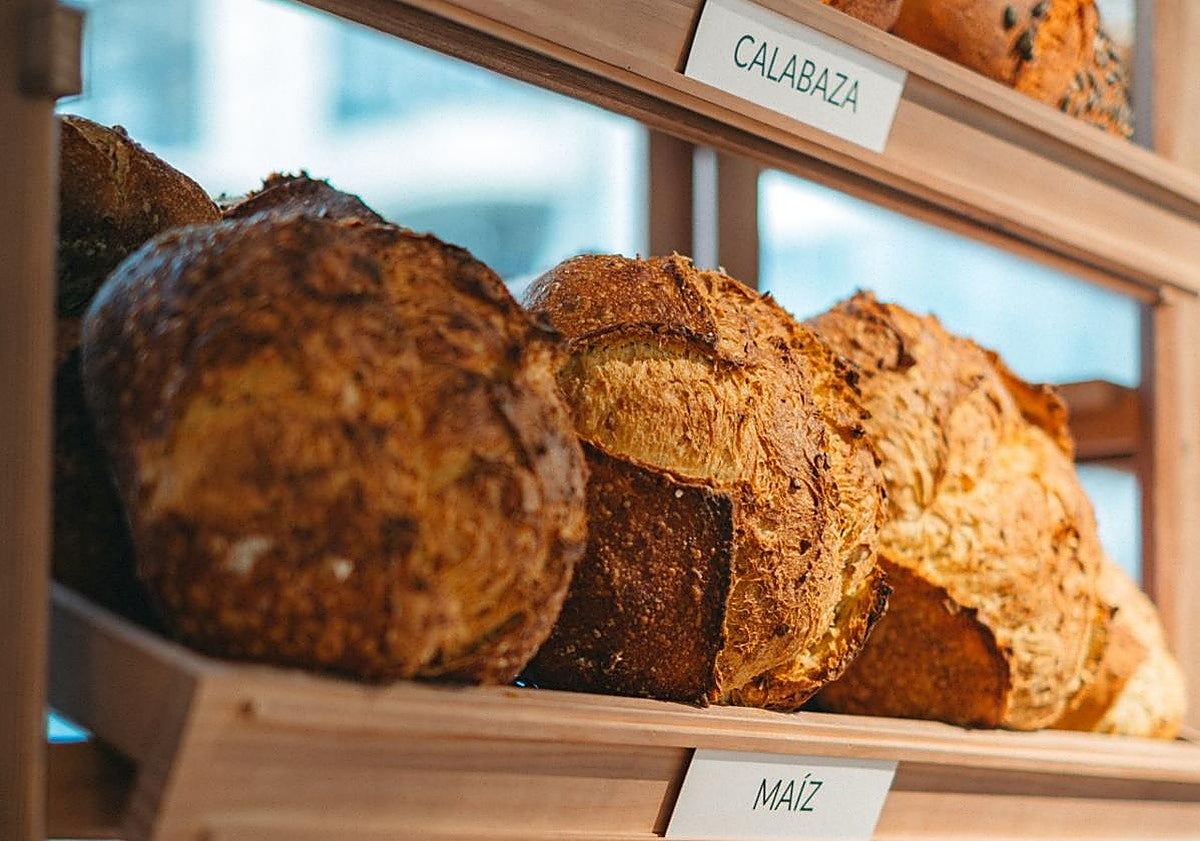
At Fermento, ingredients such as olives, maize and pumpkin are also used to create breads with distinctive flavours. This variety allows the bakery to offer loaves suited to different times of day and the perfect accompaniment to all kinds of meals.
How to recognise quality bread
A good loaf can be judged with all the senses. A well-made crust should be crisp, with a toasted aroma and a rich reddish-brown colour. This develops during baking as the grain's natural sugars caramelise, creating deeper flavours and aromas.
Achieving this level of baking is an essential part of the process at Fermento. It enhances flavour while helping the bread stay fresh for longer. The crust acts as a natural barrier, locking moisture into the loaf so the crumb remains soft for longer.
Inside, the crumb does not need to be perfectly uniform. What matters is that it is properly baked, with an appealing texture, good moisture and a distinctive flavour. These are all signs of dough that has been given enough time to ferment before being baked with care.
A traditional approach to bread-making
This philosophy lies at the heart of everything Fermento Casa de Panaderos does. In its bakeries, every batch of dough is carefully monitored throughout the entire process, and fresh bread is baked every day. Long fermentation is a defining part of its approach, reflecting a commitment to quality ingredients and a deep understanding of the craft.
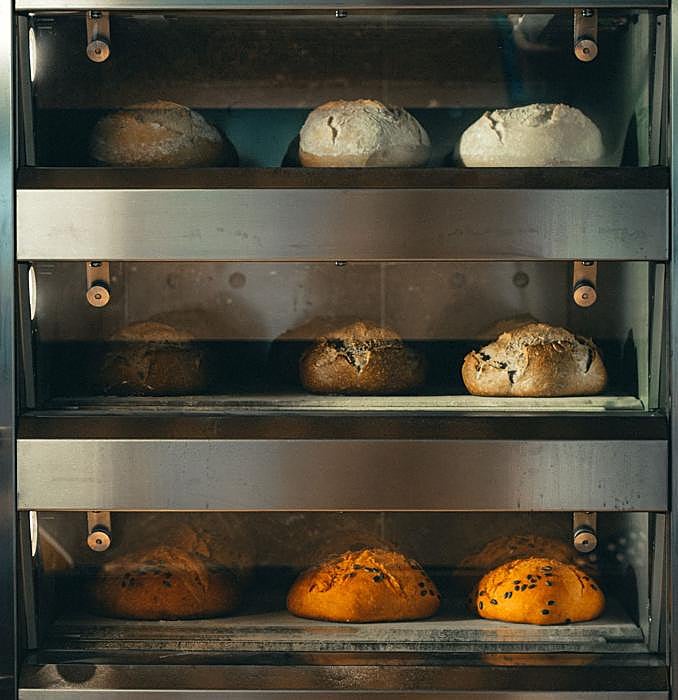
Customers can choose from a wide selection of artisan loaves, baguettes and speciality breads, each designed to suit different occasions and meals. Fermento's aim is to make high-quality bread part of everyday life again, restoring the place it has always held in our food culture.
Great bread requires carefully selected ingredients and skilled hands, but it also needs one ingredient that no shortcut can replace: enough time for every batch of dough to reach its full potential.
At Fermento, time is transformed into great bread.
![[]](http://static.vocstatic.com/voc26/latest/assets/images/favicon/surinenglish/apple-touch-icon-57x57.png)